
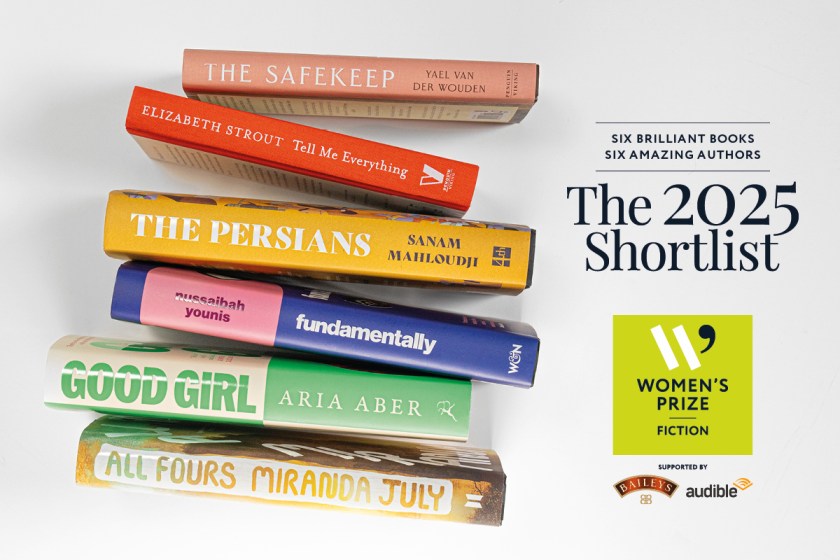
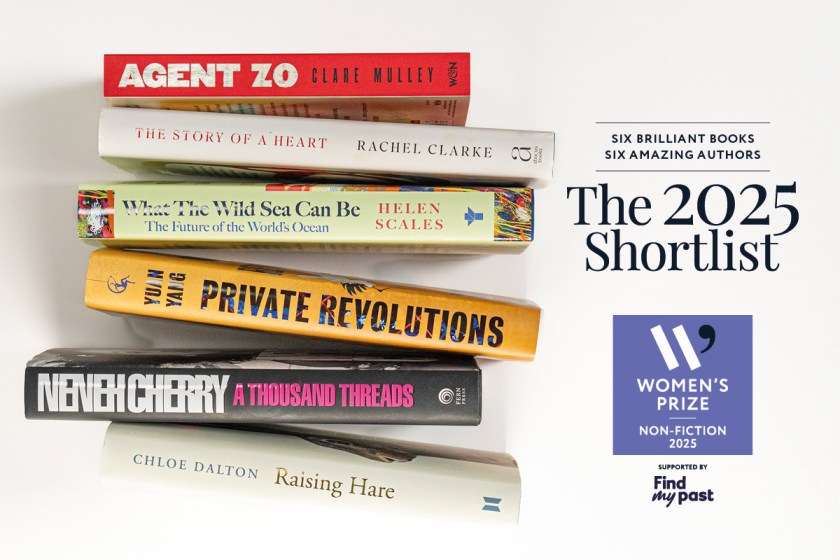
My last post on here was about this year’s Women’s Prize shortlists, both the fiction and non-fiction, so it seems fitting that my next review should be the title that won the non-fiction award last year, Naomi Klein’s memoir Doppelganger: A trip into the mirror world. This book was written largely during the 2020 lockdown when the Covid pandemic swept the globe and charts Klein’s reflections on how she is regularly confused with Naomi Wolf. Like Klein, Wolf is associated with writings on feminist and political topics, has published a number of books, is a white Jewish-American woman and of a similar age. Their trajectories began to diverge, however, when Wolf began to be associated with Covid-19 conspiracy theories and allied herself with the anti-vaccination movement. This book is more than just an exploration of a peculiar social phenomenon, however, and Klein takes a deep dive into the background to this movement, its association with other right-wing culture wars, the MAGA movement and the power of social media generally. She also reflects honestly and powerfully on some of her own assumptions and life choices.
I thought I had a few Naomi Klein books on my bookshelf, but it turns out that I have a few Naomi Wolf books on my bookshelf (The Beauty Myth, 1991, Promiscuities, 1997) including a signed copy of her much-maligned first edition of her 2019 book Outrages: Sex, Censorship and the Criminalisation of Love.I saw Wolf speaking at the Hay Festival that year and found her charismatic and engaging. The book was later condemned after it became apparent that poor research meant that the basis of the thesis that underpins it was false. (It is possible to hear a recording on YouTube of an interview she did with a journalist pointing out her error, and it’s excruciating.) The Covid-19 pandemic followed soon after of course, but the career catastrophe of Outrages seems to mark the beginning of Wolf’s descent into the dark recesses of the internet and some dramatic changes to her worldview.
It seems that Naomi Klein has been confused with Naomi Wolf for most of her career, an irritation but a mostly benign one, until that is Wolf published Outrages and was publicly humiliated, and then became infamous as a vaccine-sceptic, conspiracy theorist and darling of the alt-right (she has developed a close association with Steve Bannon). It became increasingly unsettling for liberal left-leaning feminist Klein to be confused with such a person, whom she describes as her Doppelganger.
Klein delves into Wolf’s early life and career to attempt to chart her intellectual evolution and doing so enables her to spot social and political trends that have beset developed nations across the world in recent years. She explores some of the darker recesses of the internet to try and understand how so many people could be influenced and convinced by conspiracy theories that have so little or perhaps no evidential underpinning. In doing so she draws some lessons about the influence of the online world and social media in particular and its power to disseminate dis- and misinformation.
I listened to this book on audio, read by the author herself, and her sincerity comes across powerfully, as well as her deep sorrow. As well as diving into what she calls the “mirror world” she holds up a mirror to herself, reflecting on her own assumptions and possible prejudices. There were times when I felt quite depressed, despondent and deflated listening to this book. I found myself asking – how on earth did we get like this? Things don’t look like improving any time soon. At the end, however, she writes of her own activism, hope and belief in the necessity of fighting for change, not letting the dark forces that would destroy us win.
I am not sure what I will do with my Naomi Wolf books. The early titles I read so long ago that I recall very little about them. As for Outrages, I will probably keep it for posterity. I remember starting to read it whilst I was at Hay, but did not get very far (the bookshop receipt is still slotted in at page 24!). I must not have been particularly motivated to continue.
I do, however, recommend Naomi Klein’s excellent book Doppelganger which was a worthy winner of the 2024 Women’s Prize for non-fiction and is deeply relevant today.



 Julia's books