Audiobook review – “Women of a Certain Rage” by Georgie Hall

Last week I posted a non-fiction book review of a somewhat high-brow, very serious and political book (Prisoners of Geography) that left me feeling, yes, better informed about world affairs and the historical origins of certain persistent conflicts, but also rather gloomy. I now have something rather different to offer. I listened to this book in the summer too and it was much more fun. Definitely not high-brow, but that’s the great thing about reading there is a book for literally every mood! Georgie Hall’s Women of a Certain Rage probably falls into the genre of “chick-lit” and so is unlikely to be read by anyone other than women of a certain age, but it could do with being read by others too, to give them an insight of what is to come or what their partners or mothers might be going through. 

Eliza is a middle-aged mother of three living near Birmingham in central England – her eldest son Joe is at university, her middle daughter Summer is a teenager at college and her youngest, Edward is at school and is neurodivergent. Eliza has been married to Paddy for more than twenty years. They met in London when both were young and carefree and Eliza was starting out on her career in acting, full of dreams and ideals. Now in middle age, Eliza finds herself at a crisis point: her relationship with Paddy seems to have reached something of a stalemate and she feels she is becoming increasingly irrelevant to her children. Furthermore she and Paddy are part of the sandwiched generation – still looking after kids, but also with ageing and increasingly dependent parents, and in conflict with siblings over who should take responsibility. 

At the start of the book, Eliza is verbally abused by a lorry driver who calls her a “mad old bat” and she has a sudden realisation that for women, as they age and as youthful attractiveness fades, they become either invisible, irrelevant or a target. Eliza is then further unsettled by the attentiveness of an Italian restaurant owner. When he begins to pursue her, seemingly in the hope of having an affair with her, it causes her to re-evaluate her marriage. 

Paddy and Eliza are not well-off and Paddy’s passion is his narrowboat, a family treasure which has huge sentimental value due to the connection it brings him with his parents. When financial pressures threaten to take the narrowboat away from them, Eliza decides to take drastic action which will force her to dig deep into all her resources and resilience. 

Eliza is a warm and likeable character, struggling to navigate her way in a world that no longer seems to value what she has to offer. Going through the menopause throws her into a physical and emotional maelstrom which will expose all the fault lines in her life, her marriage and her family. Any woman in their forties or fifties will recognise at least some of what Eliza is going through; even if not the menopause, the challenges of a long marriage, teenage children and financial pressures will resonate. I thoroughly enjoyed this book and felt invested in Eliza and her journey. Yes, some of the characters are predictable and two-dimensional, but I liked how some of the relationships develop, especially that between Eliza and Paddy, Eliza and her siblings, and with her daughter Summer (although she was deeply irritating at times, a bit of a caricature). A fun, easy read.

I listened to it on audiobook and it was read energetically by Rachel Atkins. Recommended. 

The 1st day of Spring!

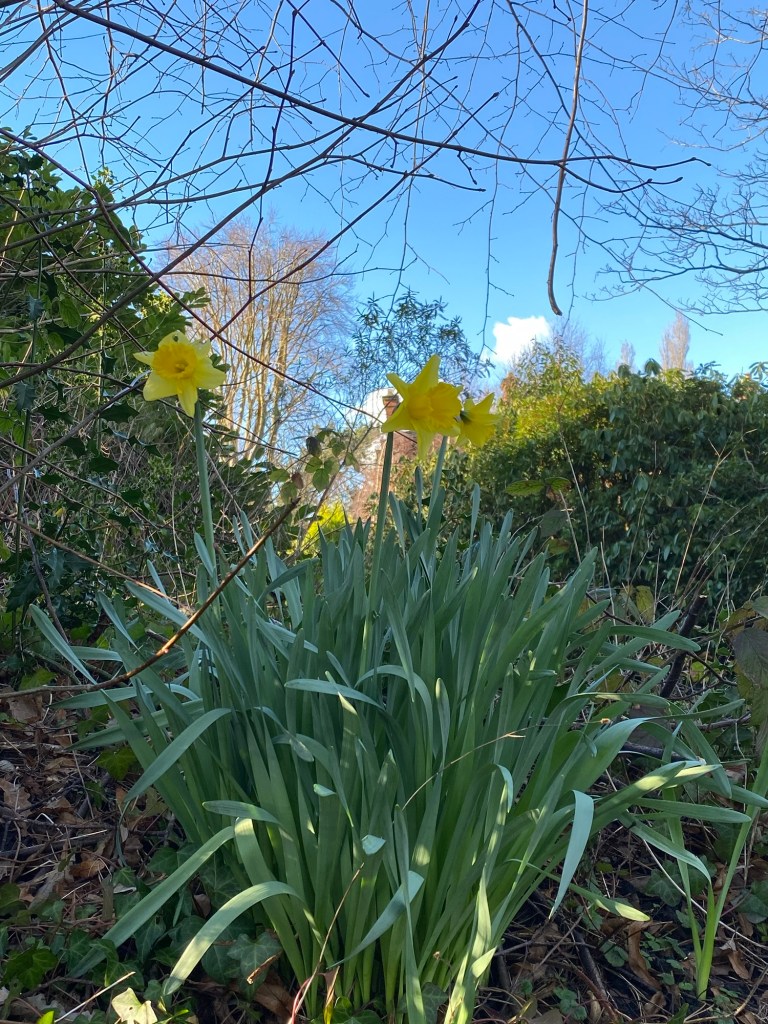
It has felt like it was a long time coming and then it seems to have happened all at once. February was both long (the final last yards of the winter slog), but at the same time a full 72 hours shorter than both of the months which bookend it (January and March). As I write this, the sun is shining outside of the window, my youngest has just called me from the north east of England to tell me what a beautiful day it is in her university town (she sounds more well than she has done for weeks) and I am just back from a short visit to my middle one, who is studying much further south) where crocuses, daffodils and narcissi were blooming everywhere.

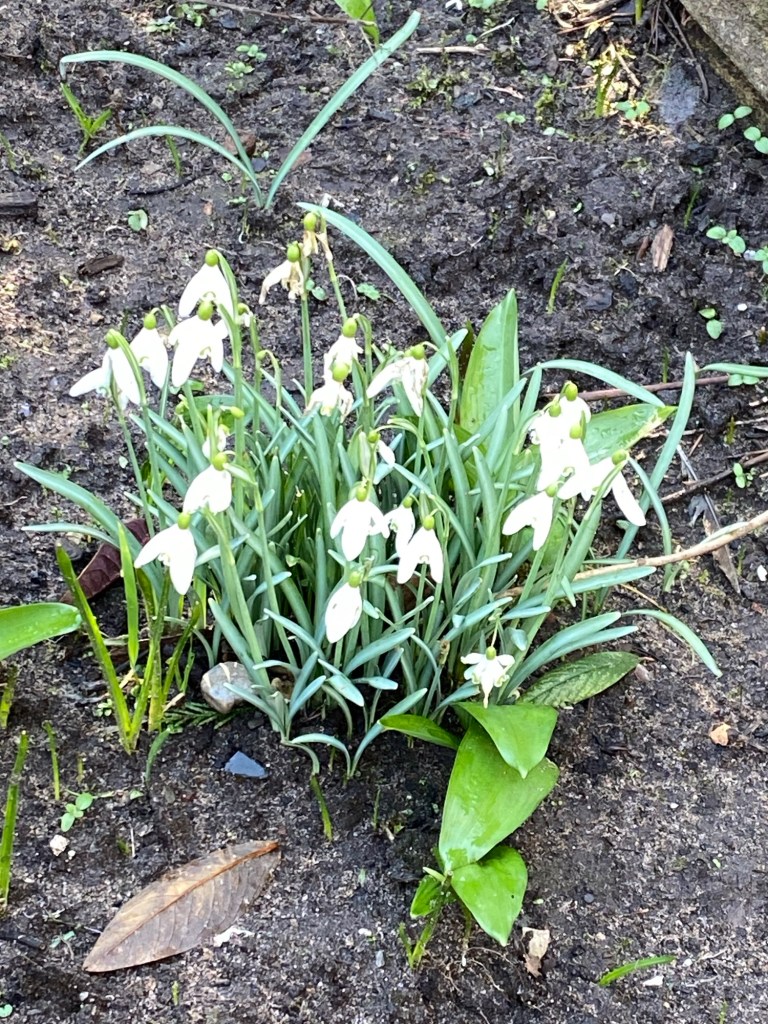
As well as being in the north west, my own garden is north-facing and the flowers are always slower to bloom, but my camellias definitely have buds, the snowdrops are out and the other bulbs are showing promise. It’s still cold, around seven degrees apparently, and I’m wrapping my hands around my tea cup, but the sunshine makes it seem less cold and, more importantly, my spirits feel somewhat lifted.

I hope like me you are feeling a little more energised. March promises to be a fairly quiet month for me, with less work than I have had over the last few weeks, but I am hoping to make the most of that time with some spring cleaning of my much neglected house, some gardening and lots of reading. I am a bit stuck with my current book, Night Watch by Jayne Anne Phillips, about which I was so hopeful but which I am struggling to get through. I have just completed Naomi Klein’s Doppelganger: A trip into the mirror world which is brilliant and has left me with a list of ‘must reads’ and ‘must watch’ films, YouTube clips and television shows! I highly recommend the book, which won the Women’s Prize for Non-fiction last year, and will post my review of it soon.

After my wonderful trip to Venice I have a small stack of books which I bought from the secondhand website World of Books, which I am eager to dive into, coffee table books about the palazzos, and writers’ memoirs of the city.

What is so striking about spring is the sense of hope I find I have suddenly – about all the cleaning and tidying I’m going to get through, about all the books I’m going to read, the yoga classes I am going to attend and the general sense of order I am going to bring to my life! Well, that is what it is to be human I think, to be hopeful and to keep striving!

So, Dydd Gŵyl Dewi Hapus to everyone especially anyone out there with Welsh connections – what brilliant thinking to have your saint’s day on the first day of meteorological spring – and apologies if I have misspelt that. Happy reading, planting, spring cleaning, travelling or whatever it is you will be doing with your March.

New year! New AI?

It was a very busy December – my day job sort of took over my life and the only spare capacity I had needed to go towards preparing for Christmas. After a busy start to the year, spending time with family, the rest of January and February are turning out to be much quieter, much of my work on the day job having been cancelled (careful what you wish for!). But I am hoping this is just a brief hiatus and that things will pick up in the spring. In the meantime I am trying to make the most of this ‘found time’, to rest and recuperate, take a holiday, read lots and watch some of the things on my television catch-up list! Are any UK readers here as addicted to The Traitors as much as I am?!

I haven’t made any new year resolutions as such – why set myself up to fail in what must be the toughest month of the year! – but I have been reflecting on the year that has passed. It was a roller coaster for me, with some big achievements and some very happy events for my family, but also some changes that will no doubt require a bit of adaptation in our lives. The world felt like a turbulent place in 2024 and I am somewhat afraid for the medium term future – it does not look like things will get better any time soon, the opposite seems more likely.

As each day goes by I find myself interacting with AI with a frequency not of my choosing. Whether it’s outcomes on things I search for online, interactions with businesses and services, or, on this very blog, strangely worded comments that do not seem to come from real humans. Has anyone else found that too?

It takes me quite a while to write a blog post, to think about what I want to say, to express my thoughts or write a book review, to edit it and then press all the necessary buttons to post. There are I am sure people (or not-people) out there simply asking ChatGPT to write a book review, an essay or a thought-piece and getting the job done in a fraction of a second. I could make it all so much easier for myself! And what about those AI- generated books and stories that people are publishing, crowding out hard-working, intelligent and thoughtful writers? As for social media, I can no longer think of one good thing to say about it.

Nothing beats curling up with a really thick book in winter!

All these rather disheartening external factors have, however, led me to focus on what is truly good and worthwhile. Over the last few weeks I have read some really wonderful books (Labyrinth by Kate Mosse, for example, after finishing which I rushed out to get Sepulchre, the second book in her Languedoc trilogy and will be reviewing both soon), I have spent some truly wonderful time with family and friends, and I have enjoyed nature and my garden, the deep midwinter and the snow.

To all the human bloggers and writers out there, happy 2025, I hope that you too are able to continue doing your thing, honing your craft and spreading joy in the year ahead.

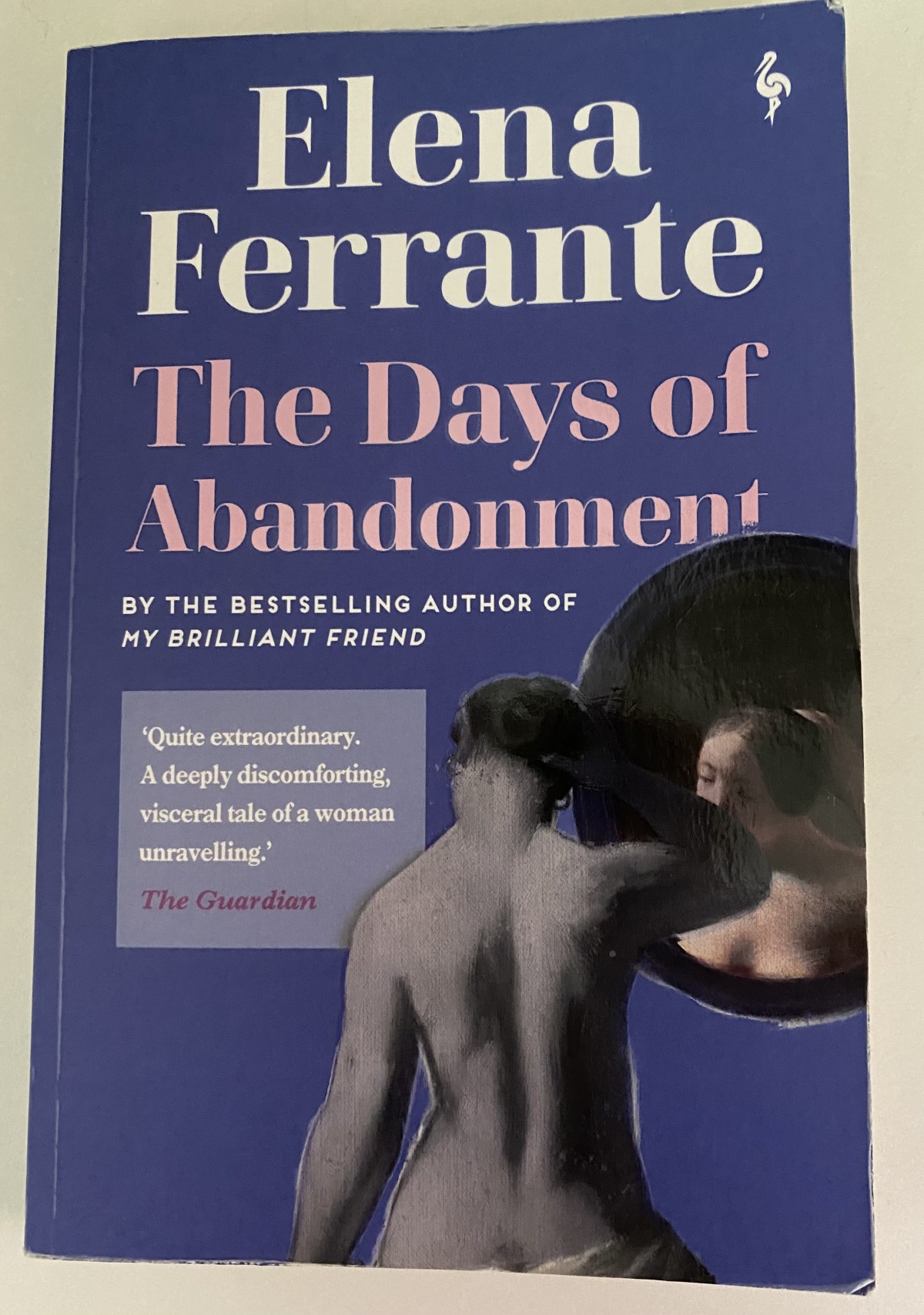
Book review – “The Days of Abandonment” by Elena Ferrante (And my 500th post!)

Last week I posted a blog reviewing two powerful books about new motherhood that I had read over the summer. During the holidays I also read The Days of Abandonment which I picked up at the Oxfam secondhand bookstall at the Hay Festival earlier this year. Ferrante’s Neapolitan novels (My Brilliant Friend, The Story of a New Name, Those Who Leave and Those Who Stay, and The Story of the Lost Child) are world-renowned, deservedly so, and I have reviewed most of them on this blog. They were published between 2011-15 so this novel, published in 2002 (first English translation by Europa Editions in 2005) is a good decade earlier in her writing career, and was only her second novel, her first having been published much earlier in 1992 (though the English translation actually came later, in 2006).

The Days of Abandonment covers another life-changing event in the life of a woman, a mother of young children – in the very first sentence of the book, the narrator announces “One April afternoon, right after lunch, my husband announced that he wanted to leave me.” The line is devastating in its simplicity and the juxtaposition of the routine domestic scene (“we were clearing the table; the children were quarreling as usual in the next room, the dog was dreaming, growling beside the radiator.”) with a piece of news so catastrophic and yet delivered so casually, sets the scene brilliantly and foretells the rest of the novel. One must not forget of course, that this is a translation from the original Italian and it is clear here that Ferrante had not only found her powerful authorial voice, but also a brilliant translator who would go on to translate her other works, Ann Goldstein.

Olga, the narrator, is a woman in her mid to late thirties and she has been married to Mario for 15 years. When he first gives her the news, she has difficulty taking it seriously and thinks he just needs reminders of how good their home life is, but then he admits that there is another woman and Olga is horrified to learn that she is the daughter of a friend and is very young, barely an adult. As realisation of the ending comes to her, the downward spiral begins. 

When Mario leaves, Olga’s mental state becomes increasingly precarious and her behaviour erratic. She is barely able to care for her young family, her two children and the family dog, and not at all able to support the children emotionally through this dramatic change in their circumstances. Olga must seek work to support them, she must attend to matters that were previously Mario’s responsibility, basic domestic tasks like walking the dog, paying utility bills and arranging household repairs. She is a capable and intelligent woman and yet she seems incompetent at basic tasks in her state of mental and emotional breakdown.

Olga’s interior world is fertile ground for Ferrante who explores themes of women’s place in marriage and their vulnerability, male fecklessness, and social expectations of the sexes even in modern society. At times the novel is a very hard read, inexorably bleak, and I felt intensely the injustice of Olga’s situation, her helplessness and her trauma. I found I needed to read it in small episodes. Like Soldier Sailor and Matrescence, which I reviewed last week, it is visceral and it is deeply feminine. 

This book might need a trigger warning – it took me right back to break ups I’d had in my twenties (pre-children and before I’d met my husband!), a long time ago, and I recognised Olga’s pain – this is not a book for the broken-hearted! For Ferrante admirers, however, it is a must-read. 

My 500th post!

I discovered last week by chance that this is my 500th blog post! I have been blogging since June 2016 – goodness hasn’t the world changed a lot in the that time? In my eight years of blogging I have read and reviewed over 300 books – not bad I think. This blog has probably made me read more than I ever have since university and that is reason enough to do it. It’s fitting that this milestone should be represented by Elena Ferrante, one of my favourite authors of the last few years, whose work really speaks to me. I only wish I could read it in the original Italian.

I am not the most prolific blogger and I have learned that it is much harder to cultivate a following than you would think, but I also feel the bookblogging world is a generous space and I get to have some bookish conversations with like-minded folk about books I have loved. So thank you to anyone who reads this or has read and commented on any previous post of mine.

So, forgive me for allowing myself a little bit of self-pride at this point and thanks to all of the other book lovers out there for helping to create this lovely corner of the blogosphere!

3 fiction book reviews

Having done so little blogging over the last few months I’ve built up quite a backlog of reviews, even though my reading rate has not been that impressive, if I’m honest. I’ve been listening to more audiobooks than I have been reading actual books and I’ve worked through quite a few on my travels and whilst running, so I’d like to tell you about three that I have particularly enjoyed.

The Shadows of London by Andrew Taylor

I love Andrew Taylor’s Marwood and Lovett books and have reviewed them all on here, from the very first Ashes of London to the most recent The Royal Secret. I get very excited each time I see there is a new one out and I listened to this, the sixth instalment, in the spring. For fans of the series, it has all the things you want and love – the courtly intrigue, the meticulous historical research, the same lovable and not so lovable characters, and a thread of continuity that makes you feel you are back with an old friend. This latest novel steps up to deal with sexual exploitation, by cruel and powerful men using powerless women to achieve their ambitions. In an afterword the author writes of how current scandals (referencing Harvey Weinstein, Jeffrey Epstein and others) gave him the inspiration to look back and explore the issue from a historical perspective. It is sobering to realise how little has changed. For fans of this series, the chemistry between the two leading characters is one of the main draws, and in this novel, the author rewards our patience!

Anxious People by Frederik Backman

This was another audiobook I thoroughly enjoyed. It is hard to say too much about it because the joy of it is in the twisty plot, the serial revelations and the about-turns that catch the reader on the hop. This is a book which is not at all what it seems. The novel opens with the police trying to solve a hostage drama. Six strangers who have all come to view an apartment are thrown together when a failed bank robber holds them captive. We first encounter them when the police are interviewing each of them to ascertain the sequence of events that led to the robber evading capture, despite the building being surrounded. Each of the hostages appears unhelpful, irritating and deeply frustrating and I must admit that in the first few chapters I fell into the trap of thinking that the book was going to be long-winded with poorly-drawn characters. Oh how wrong I was! As well as having a fiendishly clever plot the book is a wonderful study of six (plus!) fragile adults, none of whom is quite what they seem. Brilliant! And I will definitely be going back to this author for more.

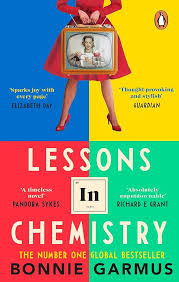
Lessons in Chemistry by Bonnie Garmus

This book was heavily marketed when it was published in 2022 – it had a profile in almost every bookshop I entered and was widely advertised in the print media. Its author also gained a lot of attention for publishing her first novel in middle age. She deserves credit – it’s a good read and has been made into a film starring Brie Larson. Set in the 1960s its central character is Elizabeth Zott, mother to Madeline and presenter of a popular television cookery show, Supper at Six. The show is unusual in that it emphasises the chemistry involved in cooking and the labour and skills required in running a home. This soon gets Elizabeth into trouble, however, as the last thing TV executives want is a show that inspires female viewers to self-actualise! The novel tells us how Elizabeth got to this point. Highly intelligent and driven she was denied the chance to do a PhD, exploited by her male colleagues at the research institute where she worked and sexually assaulted. She falls in love with her colleague Calvin Evans, a brilliant and highly-regarded academic, despite herself and her life looks to be heading in a certain direction. But then events turn her world upside down. This is a great read, sure it’s cliched in parts, but it’s fantastic entertainment and exposes some of the very real hardships talented women faced not so very long ago.

Looking at the above reviews I am struck at how my reading seems to have involved some escapism – perhaps the challenges of my work and domestic life meant that I fell back onto modern popular fiction as a bit of nourishment for the soul! And if that’s not what reading is for, then I don’t know what is.

I’d love to hear if you have read any of the above and if so what you thought of them.

Where on earth has the time gone?!

It’s been three months since my last post, but actually six months since I was blogging regularly. In eight years of book blogging that’s the longest gap I have ever had. It’s been an incredibly demanding year and I found I needed to just slim everything down, focus on the essentials and free myself of some tasks so I could calm my stressed-out mind. And, let’s face it, like most bloggers I am sure, we do it because we enjoy, so when it becomes another thing on the to-do list perhaps it’s time to step back. And there were no earthquakes in my absence from the blogosphere so I am humbly reminded that the world has not been on tenterhooks awaiting my latest missive!

It’s no coincidence that my return to this blog has coincided with the autumn. I have written on here perhaps every year, that it is my favourite season when I feel a renewed sense of optimism and energy and the ideas seem to flow a bit more freely. My youngest is about to go off to start university so I am officially done with school, but it will take a while I think to shake off that ‘back to school’ buzz, especially as we will still be connected with education for a few years yet, albeit a bit more at arm’s length.

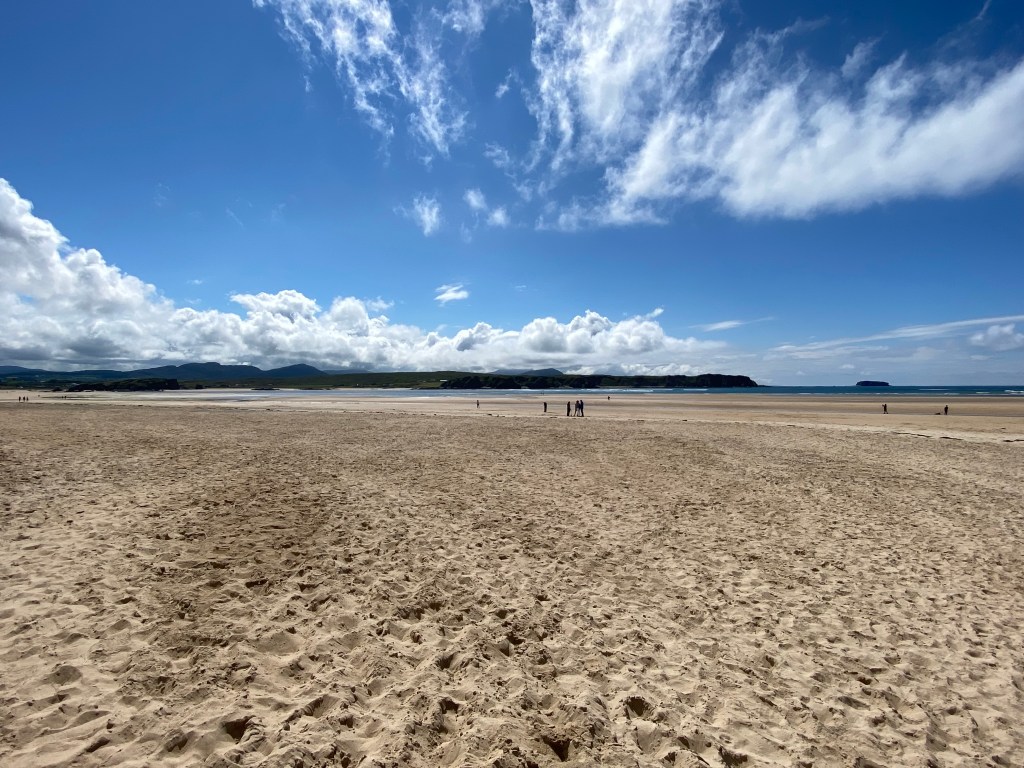
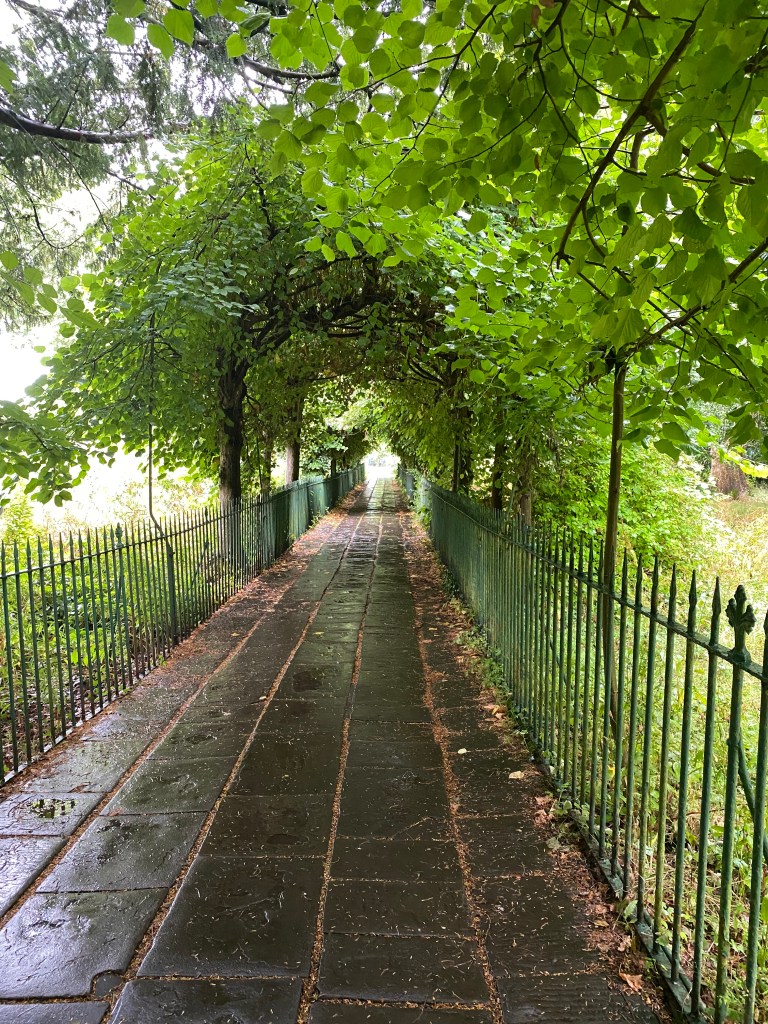
My intense busy-ness ended in July, but I decided to take the summer to rest a bit, recharge my batteries, do some visiting and a bit of travelling. Here are some of my memories:

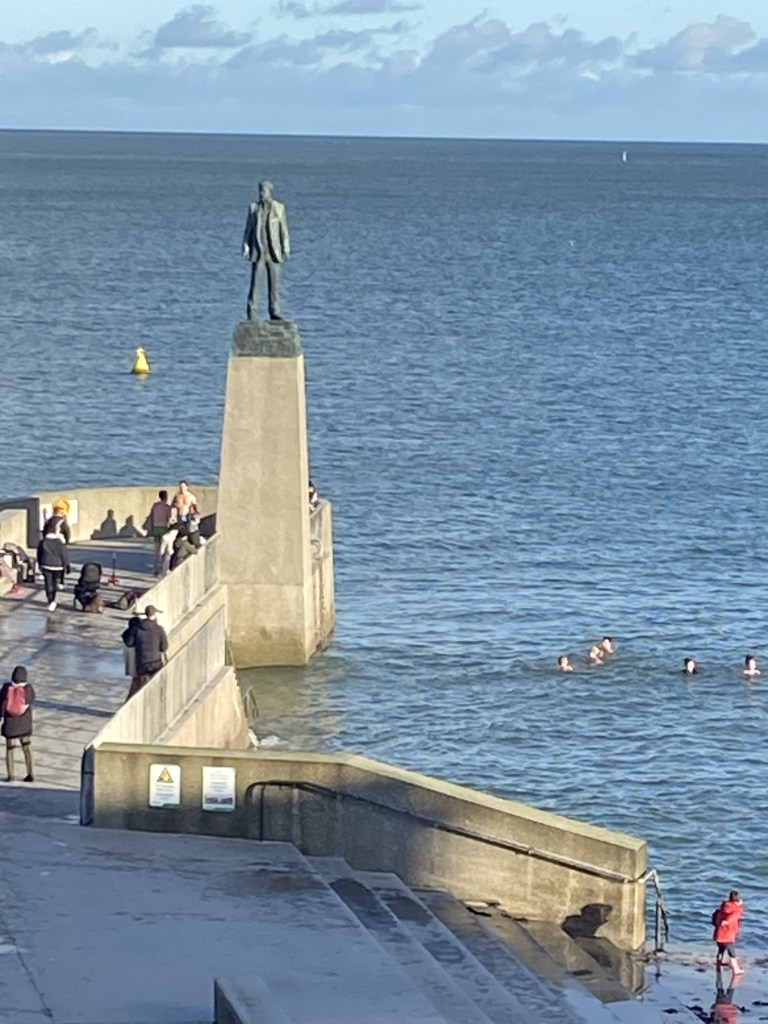
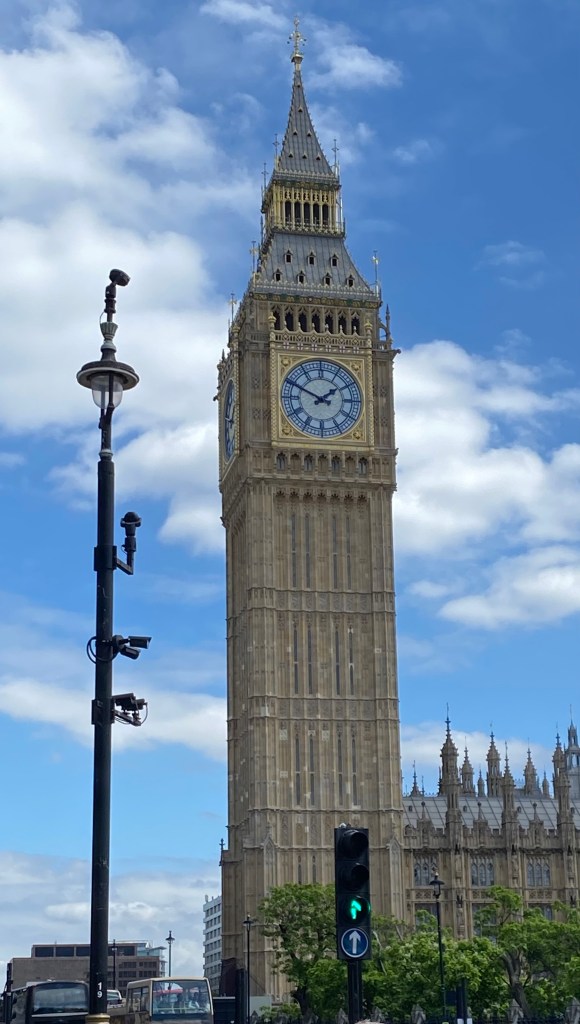
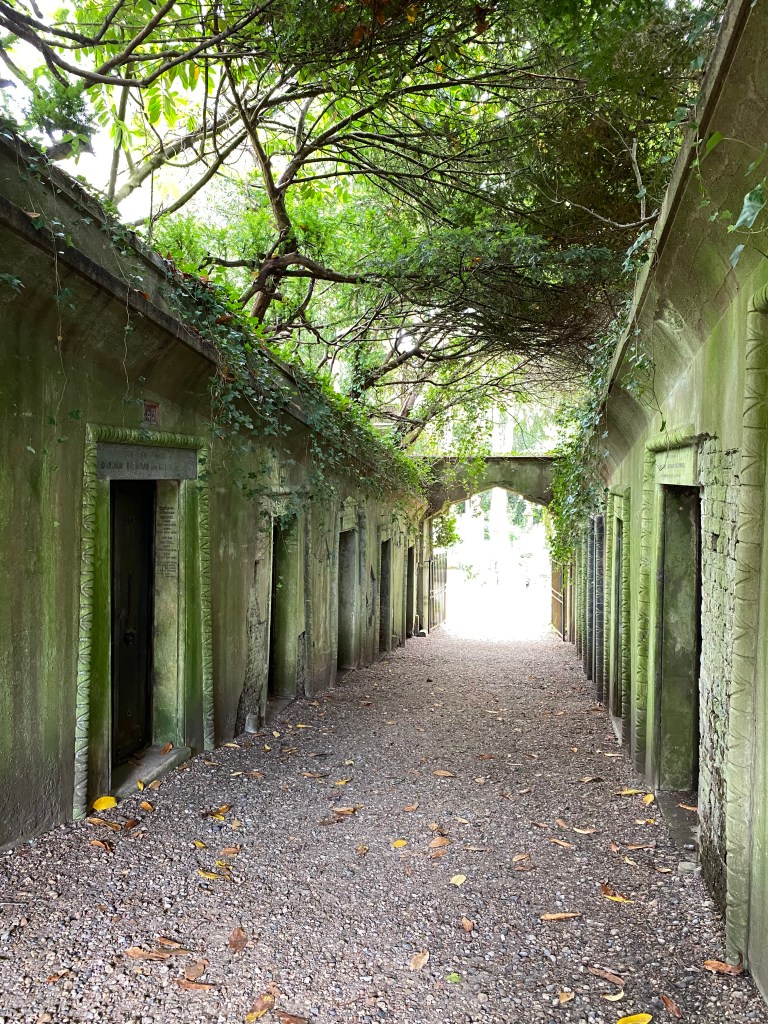
Left to right from the top: Copenhagen, Malin Head (Donegal), City of Derry, Donegal again, Birdcage Walk in Bristol (made famous by Helen Dunmore’s fabulous book of the same name), Houses of Parliament, London (with a very clean looking Big Ben), Highgate Cemetery (London), Trinity Library (Dublin), the Algarve, Portugal.

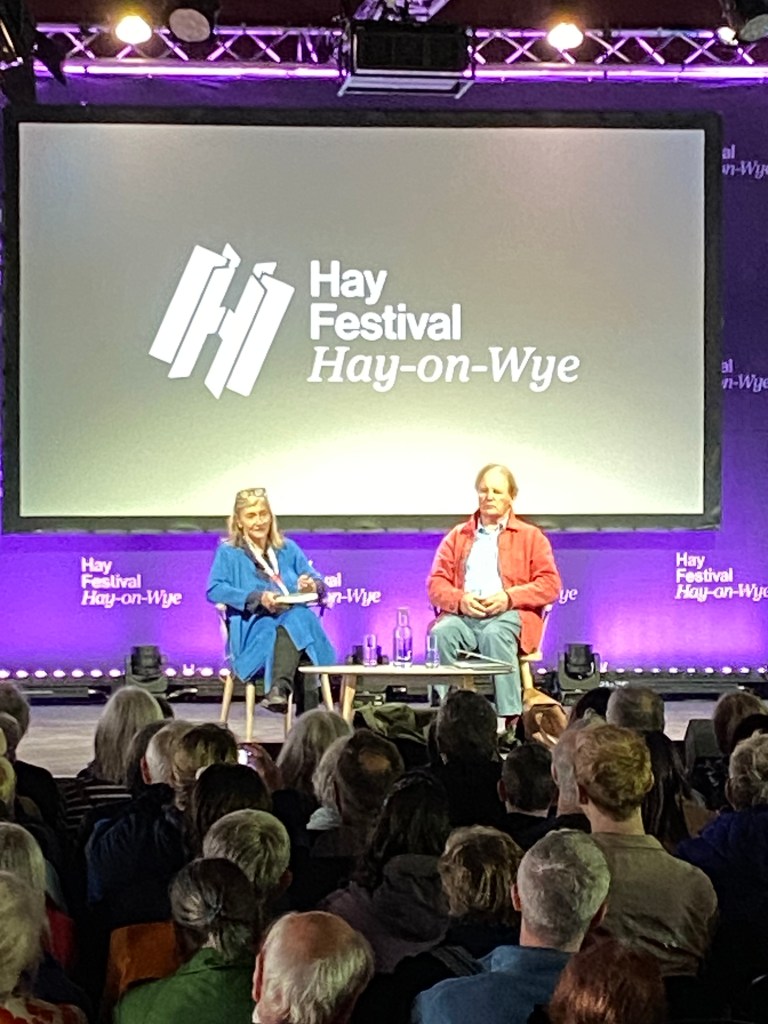
I also made it to the Hay Festival at the end of May and (literally!) bumped into a couple of old friends from many years ago, when we lived in north east England, who I had lost touch with. Small world! So that was a highlight. I also saw one of my literary heroes there, the wonderful Michael Morpurgo.

My reading these last few months has been quite reduced too, due to being so busy and needing to study. But I do have quite a few reviews to catch up on. One of my literary discoveries over the summer was Val McDermid – I was looking for something that would absorb me and not require too much of my intellect to be applied (absolutely no disrespect, I think she’s brilliant) so I read her 1999 novel A Place of Execution. I loved it and am looking forward to getting into her work much more.

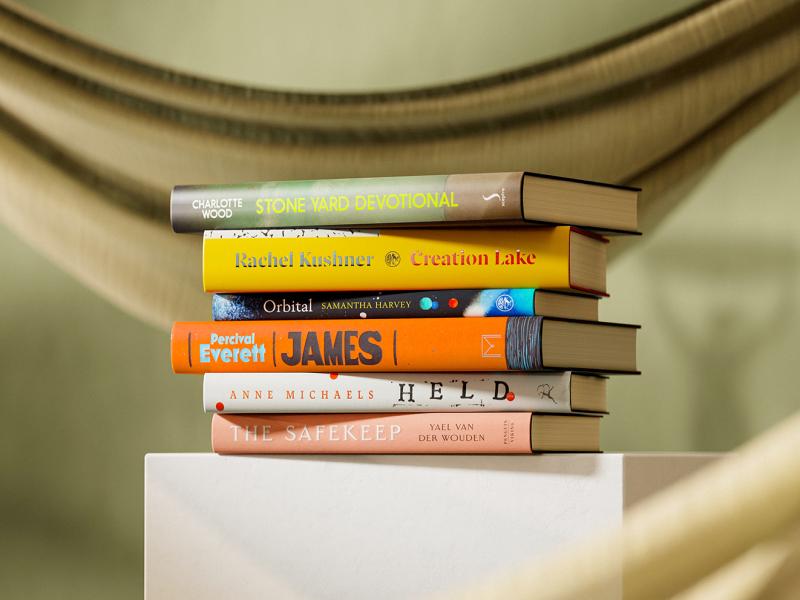
There is that big annual literary milestone, which has just landed – the Booker shortlist. I’m afraid the Women’s Prize passed my by this year, so I’m looking forward to getting into the Booker this year and working my way through the six shortlisted books as I have done every year. I had a lovely “conversation” with Percival Everett a couple of months ago when I was invited to put a question to him on the the BBC’s World Book Club radio show about his wonderful novel The Trees (itself shortlisted for the Booker just two years ago). So, I will probably be kicking off with his latest book James, which I have heard a lot about. I’ve got until 12 November, which will be a very tall order given my present rate of reading!

It feels GREAT to be back!

Book review – “The Making of the Modern Middle East” by Jeremy Bowen

It’s been the busiest of times for me and I feel very out of touch with my blogging. But as I support the youngest of my three children as they embark upon the exam season, inwardly I am exclaiming “the last time!” I know it will feel weird when we are out the other side, of course, knowing that I will not be doing the journey to school any more and shortly afterwards waving another one off to university (fingers crossed). So, as I find myself saying frequently to new parents in  my day job, this too shall pass. Much of it is self-inflicted too, I must add; I decided to do a course of academic study last autumn and that is actually what has consumed much of my time. Truly I am a glutton for punishment!

I have had little time for reading, and it’s mostly been audiobooks so far this year, which I can listen to while out walking or running. So, I haven’t exactly had too many reviews to post! I’ve really felt the absence too. Reading for me is not only about being well-read and making connections with fellow book-lovers, it is also grounding. Nothing says self-care as strongly as: “I am taking 10/15/20 minutes out of my busy day, disconnecting from the family/the dishes/the smartphone, just for me, for pure pleasure.” It has to become a habit though, and it is one that seems to have slipped out of my grasp in the last couple of months, and which I now need to squeeze back in. 

The book I want to tell you about today is one that has been on my TBR pile for some time. Coincidentally, I am currently making my arrangements to go to the Hay Festival, filling my online basket with events, and this book was one I bought there last year. The BBC’s International Editor, Jeremy Bowen, has been working in the Middle East for many years and is now a renowned journalistic expert on the region. This book arose out of a podcast he did for BBC radio a few years ago called Our Man in the Middle East. This book is an insightful and informative look at the region, setting out the historical context for many of the disputes and tensions whilst also telling stories and anecdotes of his own experiences, the relationships he has forged with people, famous and not, giving an often very intimate perspective on some of the very big issues we all know about.

The Middle East is not homogenous and the history is complex. Usually, the causes of tensions and conflicts there are far more complex than can be conveyed in a single news bulletin. The region is also a lightning rod, a proxy, for much bigger confrontations. Looking at a traditional map of the world, it is very nearly the geographical centre. Politically and culturally it is where east meets west, where north meets south, where tradition meets modernism, and religion meets secularism, quite unlike anywhere else on the planet. It is quite clear, from reading this book, that the author is captivated.

Bowen takes a thematic approach in the book, but manages also to set out the historical context of each of the major countries in the region: Israel and Palestine (obviously), Syria, Iraq, Iran, Egypt, Saudi Arabia, but drawing in also Lebanon, Yemen and Libya. I came away from this book with a powerful new understanding of the motivations and perspectives of people living in the Middle East, and also of the largely malign influence “the west”, and in particular the colonial powers have had over decades, if not centuries. 

I have visited this part of the world only once in my life, about 25 years ago when I went to Lebanon. I found it a stunning and fascinating country and am saddened that it has been brought to its knees both economically and politically in recent years. When I attended the event at Hay in which Jeremy Bowen was interviewed by his BBC colleague Frank Gardner, I remember how pessimistic he was about the Israel-Palestine situation, describing it as more dangerous than he had seen it in many years. How poignant that observation seems when just a few months later the current crisis we see so vividly every day on our television screens was set in motion. 

This is a powerful and gripping book, written with the author’s characteristic style, thoroughly researched and grounded in first-hand knowledge. Highly recommended.

Exhibition Review – Blake’s Universe at the Fitzwilliam Museum, Cambridge

I had the very good fortune a couple of weeks ago to be in Cambridge visiting my daughter when a new exhibition, Blake’s Universe, opened at the city’s famous Fitzwilliam Museum. I think I’d had some vague awareness of it, probably from one of the artsy newsletters that I have subscribed to at some point over the years, which I usually merely scan through to see what’s local to me. Even better, I happened to be there on the opening day so there was a palpable sense of excitement, and a scarcity of tickets. 

William Blake the poet has always been on the periphery of my literary attention. He lived from 1757-1827, which was not the period of literature I found most interesting when I was at university. Ironically, it is the period of European history that I find MOST interesting; the French revolution, American revolution, the Napoleonic wars, the beginnings of industrialisation, etc. 

Blake is one of the foremost figures in British cultural history, however, though he was revered more after his death than during his lifetime, even considered eccentric by his contemporaries. He was a deeply spiritual man but distrusted organised religion, preferring more mystical ideas, which are reflected both in his poetry and his art work. He is considered a poet of the Romantic school and he has influenced the likes of Dante Gabriel Rossetti and WB Yeats, as well as composers such as Britten and Vaughan Williams, and, latterly, Philip Pullman who acknowledged his debt to Blake in his His Dark Materials trilogy. Perhaps most famously, the text of the famous British hymn Jerusalem, adopted as an anthem by many political groups, is taken from Blake’s Milton, A Poem (not, ironically, from his poem of the same name), and was set to music by Sir Hubert Parry in the early 20th century. 

The Fitzwilliam Museum exhibition brought together much of Blake’s fascinating artwork and set it in the context of a European-wide movement which sought to challenge the established Church, its power and its religious norms. Other artists whose work has been set beside Blake’s at the exhibition include German painters Philipp Otto Runge and Caspar David Friedrich. 

Blake’s haunting image of dying people entitled Plague, referring to the Great Plague of the 1660s

I had never seen Blake’s art work up close before I attended this exhibition. It is extraordinary. And when you think that he was working in the late 18th and early 19th centuries it is even more so. He presented many of his poems in the most beautiful engravings and in booklets with a series of plates for different stanzas. The detail, the colours, the vision of the work, jump out at you. 

The exhibition is open until 19th May and I recommend it highly.

Can I stay ‘Wintering’ for a bit longer please?

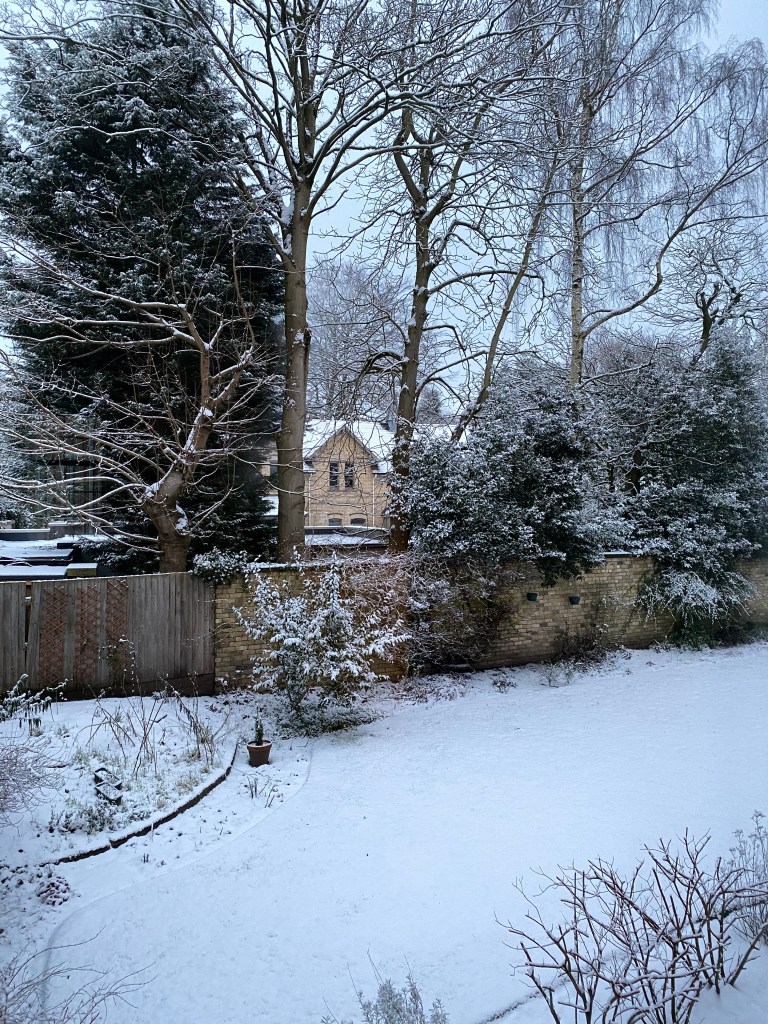
A light smattering of snow here in Manchester in January

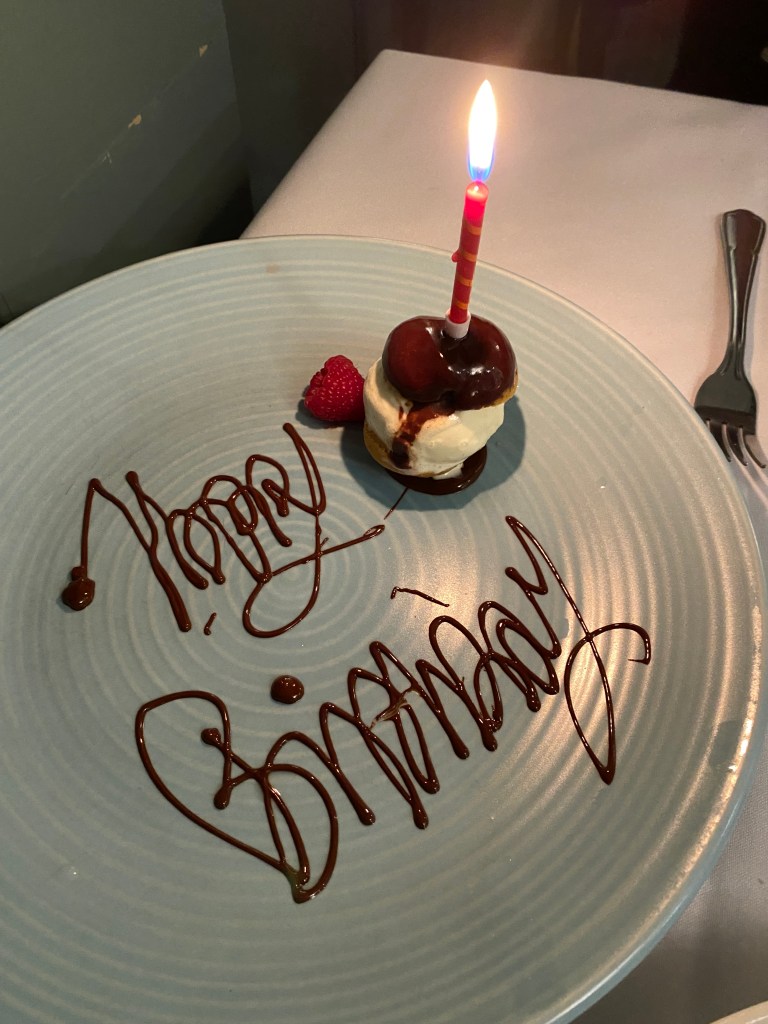
Every day I am hearing people around me expressing with some relief that the bulbs in their garden are starting to appear and marvelling at how the days are lengthening. I am sure we are all looking forward to lower heating bills and the return of a little more light, but a part of me regrets the wishing away of our lives, the constant looking forward as a way of escaping the here and now. I had a birthday this week so perhaps I am just feeling somewhat reflective. It was on Monday – for some the worst day of the week, but my personal favourite; it’s like we get a new chance to start again, every seven days!

My family and friends were lovely with their gifts, their love and their good wishes, but my birthday present to me was a whole day free of obligations and to-do lists. I pleased myself for a whole 24 hours and it was bliss! I went for a swim, had a coffee at my favourite cafe and watched Saltburn in the evening (my kids have all watched it and thought it was “weird” so I had to check it out). I loved the film actually, a definite Recommend from me if you’re looking for something to watch. Superb performances all round.

I also treated myself to a couple of books. I have been very restrained for a while now; my ‘off the shelf’ reading challenge of last year (which I’m continuing this year) made me browse my own bookcases and read titles that have been languishing unread for, in some cases, years! It’s hard to resist a sale, however, especially on your birthday, so I bought myself a cookery book I had been drooling over before Christmas, and The Wheel of the Year by Rebecca Beattie, both of which seemed to speak to where I am at right now.

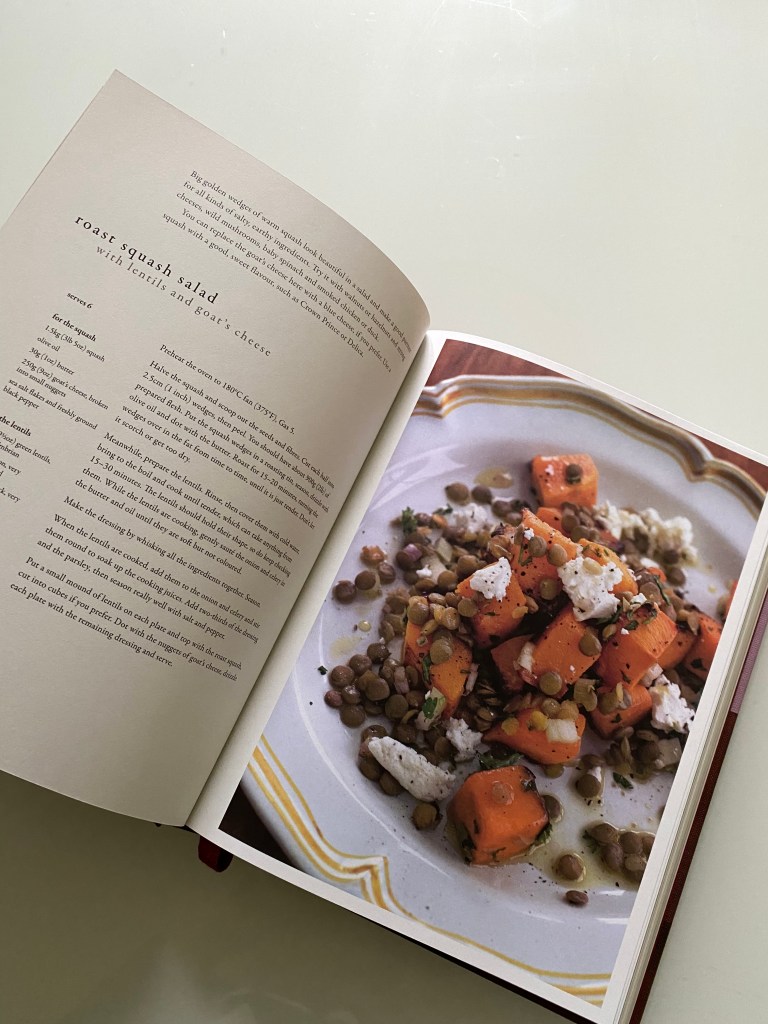
Roast Figs, Sugar Snow: food to warm the soul is a beautiful book with the most sumptuous design and photography and the recipes inside make me want to spend days in the kitchen. My younger daughter and I have also been on a ‘gut health journey’ (her words!) since Christmas and this book certainly helps to resist the temptation to go for the easy junk food option and instead embrace winter’s treasures while still supporting our health and wellbeing.

The Wheel of the Year is an eight chapter book, with each stage of the year (approximately six week chunks, as indicated by the position of the stars, the weather and the cycle of nature) explored for its spiritual significance and what this means for us as humans in the world. The first chapter is Yule or Midwinter, and the second (the start date of which is 1 February, ie today!) is Imbolc or Candlemas – I’m already inspired by these beautiful words. Nature at this time is not dead, but simply resting, as I feel we should be, conserving our resources for the growth that will soon come. I already know this book is going to be my companion for the year.

January was going to be a ‘catching up’ time when it came to my reading. I’ve tried to bring a daily reading habit back into my life after a few months when I feel I didn’t read very much at all. I’m pleased with my progress, and have enjoyed it so much, though predictably I haven’t yet completed every book I’ve got ongoing. I’ll be posting reviews of all these in the next couple of weeks and giving myself until half term to completely refresh my Goodreads ‘currently reading’ profile. Trying to string January out just a little longer!

I love how winter exposes the structures of the trees – they are so beautiful. Here is a sunny winter’s day in Cambridge (left) and a rather duller day in Cheshire (right) where the deer at the National Trust’s Dunham Massey are oblivious to the paparazzi.

Enjoy the rest of winter, or summer if you are in the southern hemisphere. To winterers everywhere try and rest and rejuvenate as best you can.

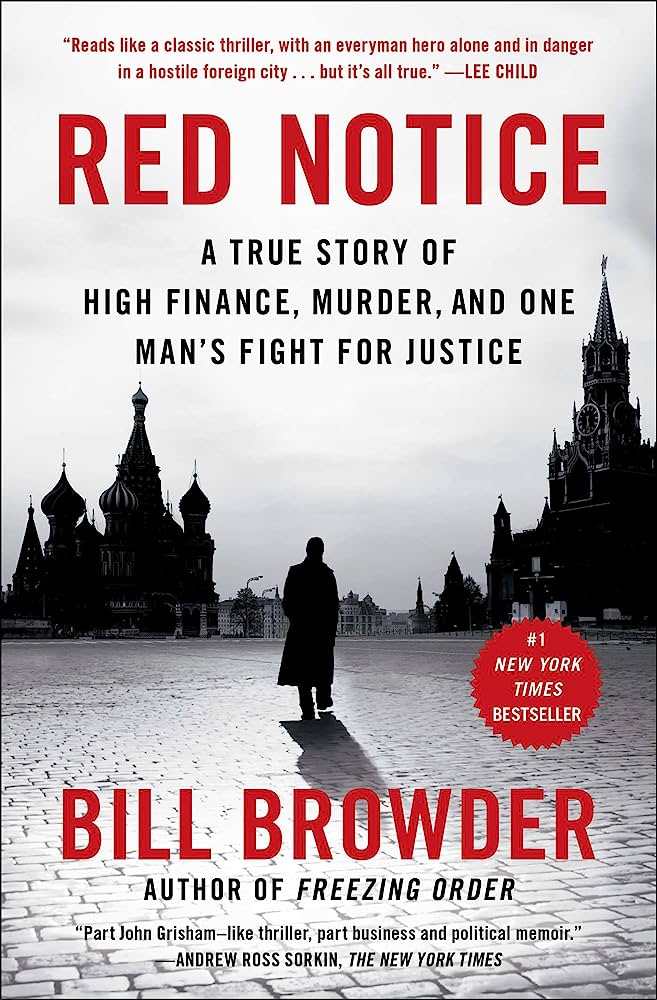
Audiobook review – “Red Notice” by Bill Browder

This was my book club’s June read. It wasn’t a title I suggested but I was happy to go along with it even though the blurb didn’t appeal that strongly. A true-life thriller about high finance and espionage did not seem like the kind of book I would normally read, but then isn’t that the joy of a book club, to make new discoveries? The book opens with the narrator (the author) giving a detailed account of his being detained at a Moscow airport without explanation, being held for endless hours without food or water. Attempts to contact friends, family, contacts in the British Embassy bear no fruit and finally his phone battery gives out. The intention of the Russian authorities seems to be to terrify their detainees, keeping them guessing about what might happen to them.

Finally, the author is allowed to leave and is put on a plane back to London, where he lives. This happened in the early 2000s, but there is a long history leading up to this event. Bill Browder then takes us on the long journey to explain how he came to be in this situation, beginning with his childhood in Chicago as the lowest-achieving child in a highly academic family. Young Bill clearly had something of the entrepreneur about him and despite his early difficulties in education (exclusion, boarding school, severe bullying) he eventually wins a place at Stamford business school. 

After completing his college education and a stint at a couple of consultancy firms he decides on an adventure, following somewhat in the footsteps of his eastern European grandparents. From an early age he shows clearly his entrepreneurial streak and a nose for an opportunity. He moves to Russia in the 1990s, as that country is emerging into the post-Soviet Union era. Browder begins to see the huge financial benefits that can be secured by being an early investor in the privatisation of national industries and he persuades a number of wealthy individuals to come on board with him. His Hermitage investment fund is extremely successful and he makes a lot of money, for himself and his investors. 

[Spoilers below]

Browder bases himself between Moscow and London, where he also starts a family, but it is clear that the pressures and demands of his lifestyle take their toll on his marriage. Eventually, he and his wife divorce – there is a lot of very personal material in this book too. Browder will eventually meet and marry a Russian woman with whom he has two daughters.

To support his finance business, Browder has to set up a strong team of lawyers and advisors, as well as colleagues with connections and insights into Russian society. In the time that Browder is operating in Russia, the country changes dramatically and a small number of people begin to make a lot of money – the rise of the oligarchs. Corruption was always part of the system, but now becomes endemic. As a foreigner (even worse, an American) profiting handsomely from Russia’s embrace of capitalism, Browder becomes a marked man. His life becomes endangered (hence the detainment at the airport) and he has good reason to believe that Putin himself is behind efforts to eliminate him. The ‘red notice’ of the title refers to the Interpol arrest warrant that the Russians tried to have exercised on him (which was eventually  withdrawn, much to the ire of the Russian authorities for whom this is a huge embarrassment). Browder realises that the Russians might attempt to get at him through his associates. He persuades most of them to flee the country, sometimes under cover, but one of his lawyers, Sergei Magnitsky, refuses. Browder tells us that he simply “loved his country too much”. Magnitsky is arrested, charged with trumped-up accusations of fraud, and imprisoned in a labour camp. His treatment there, including beatings, eventually leads to his death. 

This event shapes Browder’s life from then on and occupies the final third or so of the book. The author’s attempts to fight his friend’s case, and then to seek justice for him become the cause of his life. He devotes his time to raising awareness of human rights abuses in Russia and eventually succeeds in persuading the American Congress to pass ‘Magnitsky’s law’, with the help of key politicians such as the late John McCain, which permits sanctions against those guilty of human rights abuses, such as freezing of overseas assets and refusal of visas. Bill Browder continues to devote his life to persuading other countries to adopt similar legislation. 

This is a fascinating story and after my initial scepticism I have to say that I was completely hooked. In the context of Russia’s current behaviour it has extra resonance and gives an insight into the psyche of those in power in that country. I had heard of Magnitsky’s law, but had no idea of the background. Browder and his team were one of the first to use the then new platform YouTube to great effect as a publicity tool to raise awareness of their cause, when Sergei Magnitsky was still alive. The videos can still be seen on there and are powerful. Also, powerful, is the final chapter of the book, narrated on the audio version by the author himself. It is chilling when he tells us that if he is killed, we the readers will know who did it. 
A stunning and unique story, highly recommended.