Booker Prize shortlist 2025

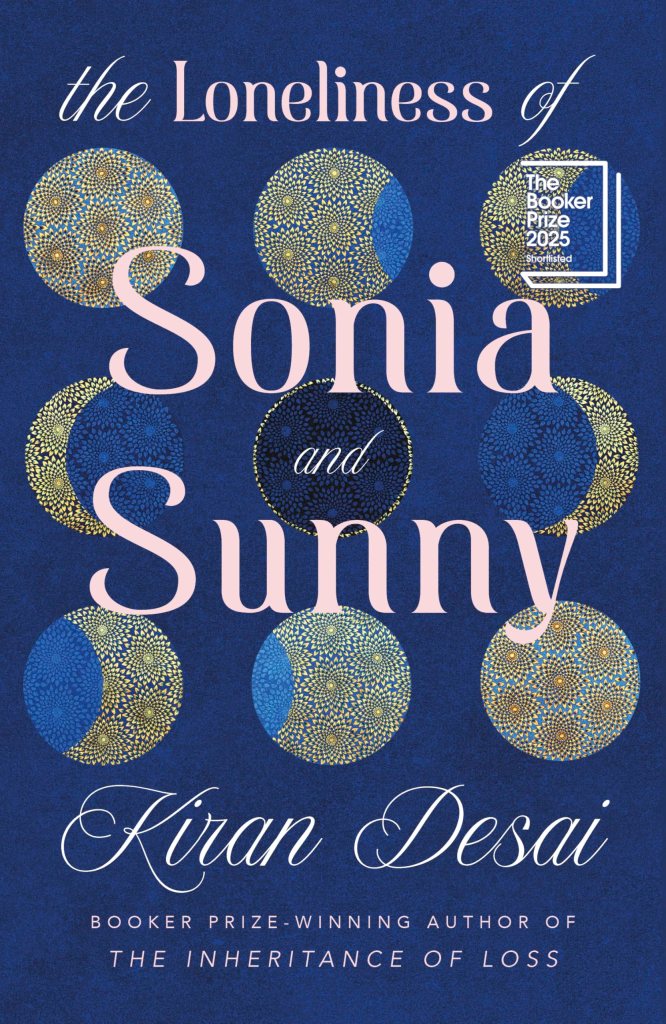
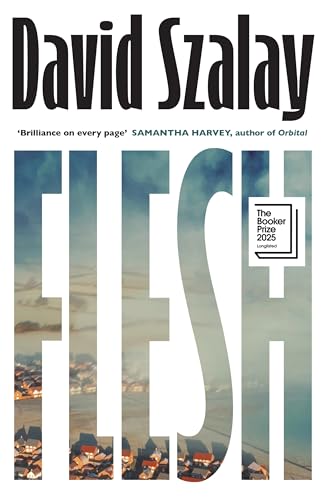
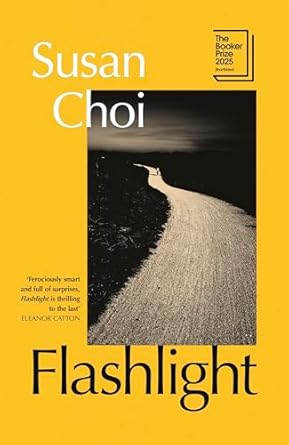
The shortlist for this year’s Booker Prize was announced recently, an event which more or less passed me by. I have been so busy with my day job recently (and will continue to be for the next few weeks) that my reading, writing and blogging have fallen badly by the wayside. I have a long break in November, however, and I am determined to get some balance back in my life.

In the nine years since I have been writing this blog I have endeavoured each year to read through the shortlist in time for the announcement of the winner. I think most years I get through all the books (even if it takes me months!), but I think I have only once managed to get to the end by the time of the winner announcement, and only called it right on one occasion also (with the very memorable Shuggie Bain, winner in 2020).

This year’s shortlist is made up of experienced novelists. I am familiar with the work of half of them – Kiran Desai, a previous Booker winner (2006, The Inheritance of Loss) is the daughter of legendary Indian novelist Anita Desai, who wrote Fasting, Feasting, which I read many years ago and which was also shortlisted for the Booker Prize. David Szalay, wrote All That Man Is which was shortlisted for the Booker in 2016 (the year I started blogging). And Andrew Miller whose book The Land in Winter I read a few months ago in my book club and have already reviewed it on here – so I have one under my belt!

Some of the books are exceedingly long – Flashlight comes in at just under 500 pages and The Loneliness of Sonia and Sunny a whopping 700 pages! I am not quite sure where to start; I think The Rest of Our Lives by Ben Markovits speaks to me most at this point – the opening line of the blurb is “What’s left when your kids grow up and leave home?” Kind of where I am in life!

This year’s Prize is distinguished also by its interesting judging panel, which includes Sex and the City actor Sarah Jessica Parker, and authors Kiley Reid and Ayọ̀bámi Adébáyọ̀, both of whose work I have reviewed on here. The judging panel is chaired by veteran bestselling author Roddy Doyle.

So, what chance do I give myself of finishing even half these novels by 10th November when the winner is announced? Let’s say 50/50!

Happy reading!

The Womens’ Prizes 2025

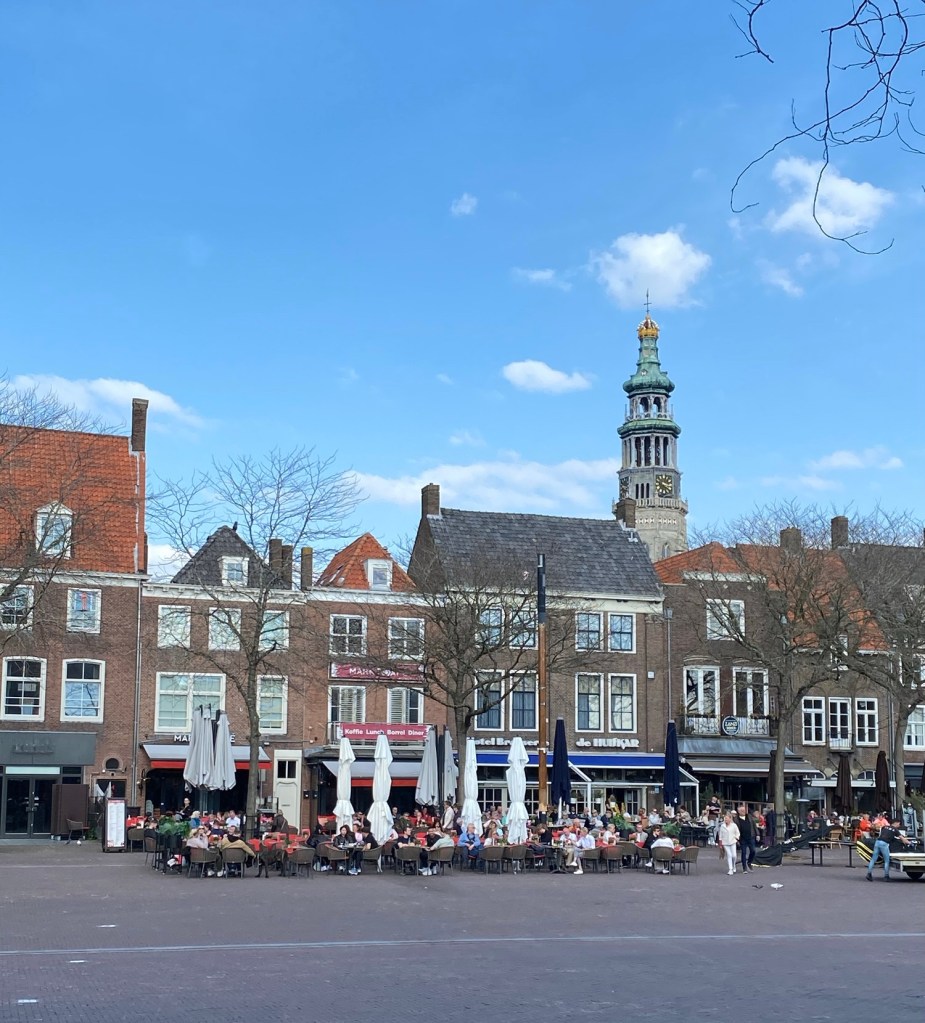
I’ve had a little blogging hiatus these last few weeks, and, unfortunately, a bit of a reading hiatus, never desirable. The day job and kids coming home from university for the Easter break have cut short my time. We also had a a short holiday in our beloved Zeeland, which was relaxing but full.

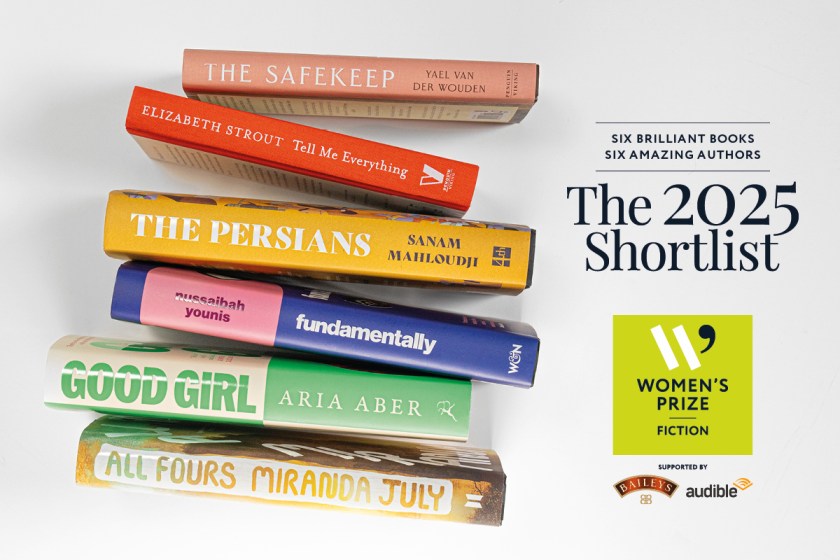
While I was away, this year’s Women’s Prize for Fiction shortlist was announced, and a very interesting selection it is. It was a big surprise to me that Dream Count, the long-awaited new novel by Chimamanda Ngozi Adiche (I flagged this as one of the highlights among new books out this spring, just a couple of weeks ago) did not make the shortlist. A further surprise was that Yael van der Wouden’s Safe Keep, shortlisted for the Booker Prize last year, did make it. I enjoyed Safe Keep but it didn’t feel like a prize-winning novel when I read it last autumn.

Elizabeth Strout’s latest novel Tell Me Everything has also made the shortlist. She is an author I admire hugely, having shot to literary stardom quite late in life and has been fairly prolific these last few years. She has definitely found her groove. The other four novels on the shortlist are by authors I have not come across before: Sanam Mahloudji’s The Persians about a family split by the revolution in Iran and trying to make a life in America looks fascinating. Miranda July’s All Fours about a woman approaching middle age who decides to leave her family and try and forge a new identity for herself, has received a lot of attention.

Nussaibah Younis’s Fundamentally is also about a woman escaping her life, this time to become a UN worker in Iraq and developing an unlikely friendship with a young ISIS bride. Finally, Aria Aber’s Good Girl is about Afghan teenager Nila, living in Berlin with her migrant family, also trying to make a new life for herself away from the impoverished suburbs where she grew up, and finding that the grass may not be greener on the other side.

A very interesting selection that perhaps speaks to the times we are living through right now. I’m not sure where to start!

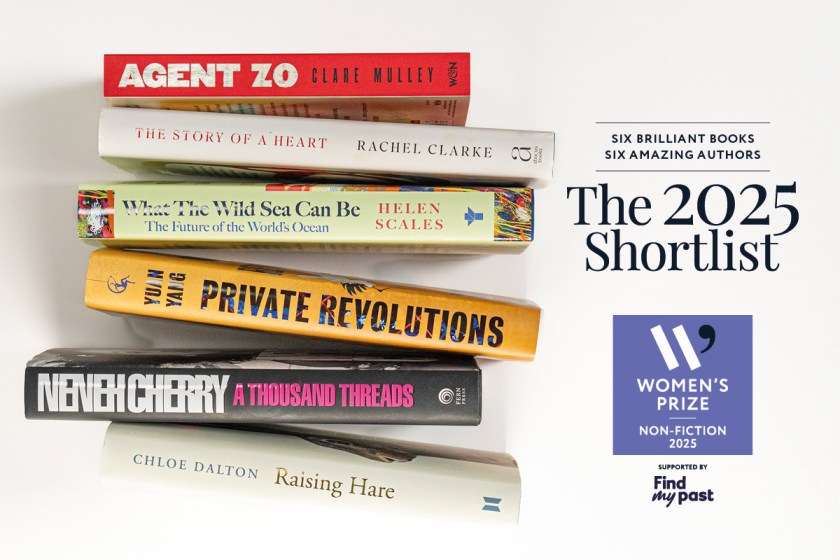
The Women’s Prize non-fiction shortlist is also out. A few of the books included had already caught my eye: Neneh Cherry’s autobiography A Thousand Threads, Chloe Dalton’s account of raising a baby hare Raising Hare, and Rachel Clarke’s The Story of a Heart, a true account of an organ donation from one child to another – this might be a really tough read. The other shortlisted books are:

  • What the Wild Sea Can Be: the future of the world’s oceans by Helen Scales – promising to be an awe-inspiring account of the wildlife on our watery planet and what we can do to protect it.
  • Private Revolutions – coming of age in a new China by Yuan Yang, the first Chinese-born British MP.
  • And finally Clare Mulley’s Agent Zo: the untold story of courageous WW2 resistance fighter Elzbieta Zawacka, the only female member of the Polish elite special forces.

The winners of both prizes will be announced on 12th June – about 8 weeks to read 12 books!

Books out this spring

It really does feel that at long last there is a bit of a change in the air. I am spring cleaning my bookshelves at the moment – always a very challenging task. Books that I have forgotten I owned, books I might want to re-read (someday!) and books that I am ready to let go of, either because they deserve to find a new home or because I am accepting I will almost certainly never get around to them! And I need to make some space for the new titles coming out this season. A few have caught my eye and I thought I would share them with you.

I have been enjoying a lot of non-fiction in recent months and I find that I feel more excited by this genre’s new books than the fiction, to be honest.

Everything is Tuberculosis by John Green

A few years ago I read a book about tuberculosis by science writer Kathryn Lougheed and found it absolutely fascinating. My paternal grandfather died of the disease in London in 1940 just days before his second child (my dad) was born, and I was drawn to this book as I was trying to find out more about my family history. This book comes at a flexion point I think, as I was reading in the newspaper just this week of fears that cases of this terrible condition are likely to rise in the coming months and years following the withdrawal of US aid to developing countries. In our globalised world, we should not expect to be able to contain the disease within national boundaries (as we found with the Covid 19 pandemic) so it will be no surprise to see cases increase in the global north.

Story of a Murder by Hallie Rubenhold

Hallie Rubenhold caught the attention of the literary world with her bestselling book The Five about the women who were the victims of the infamous Victoria London serial killer Jack the Ripper. Her new book, released at the end of March, gives the same treatment to another famous murder case. In 1910, a London doctor, Hawley Crippen, murdered his wife Belle Elmore, a music hall performer. In this book, Rubenhold applies her research and detective skills to uncovering the story of how a group of Belle’s friends helped bring the killer to justice, and shady associates who may also have had a role. The book has been highly praised and its publication is much anticipated.

Maternity Service by Emma Barnett

I am an avid listener to the BBC Radio 4 morning news programme Today, and Emma Barnett is one of its main presenters. She is a broadcasting tour de force and made her name with some spectacular interviews on Radio 5 Live, and changed the face of another Radio 4 stalwart show Woman’s Hour. She is a campaigner for many feminist causes and is a high profile mother of young children who speaks passionately about the challenges of juggling motherhood and a career. As I work with new mothers I am very interested in what she has to say on the topic.

So, that’s the non-fiction, what of the fiction?

Dream Count by Chimamanda Ngozi Adichie

Published just a week or so ago and immediately longlisted for the Women’s Prize, this is the much anticipated new novel from Chimamanda Ngozi Adichie, her first in a decade. I love her work – her book Half of a Yellow Sun about the Biafran war is one of my favourite books of all time – and have reviewed her recent non-fiction books on here. This will be top of my TBR list for spring.

Flesh by David Szalay

Szalay’s 2016 novel All That Man Is was one of the first books I reviewed on this blog, after it was shortlisted for the Booker Prize that year. It wasn’t my favourite on the shortlist but I did enjoy it and found it interesting to read men’s perspectives on life’s dilemmas. Flesh follows the life of a young Hungarian boy as he moves from his small town to the ranks of the super-rich in London. With so much toxic masculinity in the world just now I feel this might be an important read.

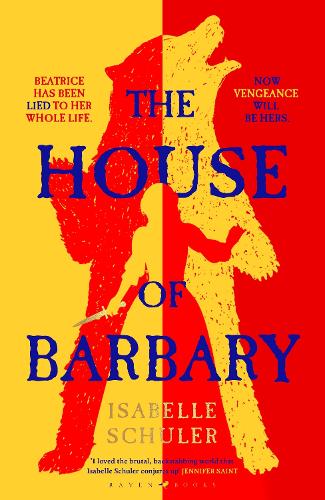
The House of Barbary by Isabelle Schuler

This is said to be a feminist re-telling of the legend of Bluebeard which interests me as this myth has crossed my path a couple of times in recent years, also as a feminist re-telling. First in the non-fiction book Women Who Run With Wolves by Clarissa Pinkola Estes, and second in Angela Carter’s collection of short stories The Bloody Chamber. The book is a re-imagining of a number of brutal myths and the opening story (which gives the book its title) concerns the Bluebeard tale. I have not heard of Isabelle Schuler so I am interested to read her treatment of this story.

So, that lot should keep me occupied for a little while!

What books are you looking forward to reading this spring?
BookTrust and the Reading Together campaign

It was a great pleasure to hear Children’s Laureate Sir Michael Morpurgo on the Radio 4 Today programme this morning, talking about the BookTrust’s new Reading Together campaign. He is one of my literary heroes and is always worth listening to. Sadly, the subject of his interview, and the motivation behind the launch of the campaign, is evidence from research that children today are having less and less exposure to books.

Some depressing highlights from the research:

  • One in five children under the age of 4 years have a book read to them less than once a month. (Yes, I double checked my typing and you have read it correctly.)
  • Less than half of children are read a bedtime story.
  • Only half of children between the ages of 1 and 2 from low income families are read to daily.
  • A quarter of parents with children aged 7 and under find reading with them challenging.

These statistics should alarm us all. The benefits of reading to young children are well-known and undisputed. Being read to early in life not only has benefits for literacy later on, but it is one of the most effective tools for achieving greater social mobility. What is more it can be free – as long as there is a library within walking or easy travelling distance. There is truly nothing not to like about giving young children access to books, lots of books. And best of all, they love it!

I grew up in a working-class household in a deprived part of London. My mum read for pleasure (she adored the late great Catherine Cookson) and only because we could get a free library card and it was something to do with us kids, did we go to the local library a lot. We did not have many books in the house – my parents could not really have afforded them – but Rectory Library in Dagenham was sacred to me. And, quite literally a lifeline for all of my childhood, right up until I went to university. I am completely convinced that had it not been for that happy accident I would not be where I am today. I dread to think how things might have turned out had I been born into this current age of digital distraction – we only had children’s television for a couple of hours a day, for goodness’ sake!

Not only are the statistics from the BookTrust alarming, they are also heartbreaking. Fellow readers, we come from many varied backgrounds but we all share a joy of reading, a love of books. Children today in the UK are being denied access to a habit, a hobby, a lifestyle choice that will not only enhance their life chances, but will bring them untold pleasures! Books are not cheap, but they can be bought cheaply sometimes (eg in charity shops) or accessed for free (libraries). In the UK, a fifth (almost 800) of our public libraries have closed since 2010 and spending in this area has declined by almost thirty per cent. (See this 2019 article in The Guardian. The figures may be worse now.)

It is up to all of us to arrest this decline in every way we can. If you know a child, give them a book or read to them. Donate books you no longer want to charity shops. Support reading charities. And if you are a parent or grandparent, take your young people to a library, perhaps even join a story circle there. I have just started going back to my local library and borrowing books regularly, even though most of the time I don’t get around to reading them before they have to be returned. Sound crazy? It is, but I figure use it or lose it, and if those of us that can afford to buy lots of books (and I do that too) abandon libraries, they may not be there in the future for the people who need them. It is the very least I can do.

Booker Prize shortlist 2023

For me, few things herald the arrival of autumn in the literary sphere more than the announcement of the Booker Prize shortlist, one of the world’s foremost literary prize for novels written in English. For a few years now I have attempted to read my way through the shortlist and predict the winner ahead of the awarding of the prize, which is usually sometime in October. It generally works out at one book a week, which for me, in the last couple of years has been a tall order. I never usually manage to read all six books on the shortlist in time; I think my best performance to date has been about five. For some reason we have been given a little longer this year – the winner of the Prize will be announced on 26 November, well over two months from now – so I feel I am in with a fighting chance!

I did not agree with the judges last year – the winner, The Seven Moons of Maali Almeida by Shehan Karunatilaka, was among my least favourite on the shortlist. I am not familiar with any of the authors on this year’s shortlist. Facts I have gleaned about the shortlist are: there is a two-thirds/one third gender split (guess the proportions); half the authors are called Paul; there is one very long and one very short novel; half the novelists are north American, one is African, and the two Europeans are both Irish!

I am not familiar with any of the shortlisted authors. I was disappointed not to see Sebastian Barry’s Old God’s Time make the shortlist, having been on the longlist. I have just finished that book so look out for my review soon. I also wanted to see Ayobami Adebayo’s A Spell of Good Things make the shortlist as my book club loved her 2017 novel Stay With Me. However, that is the Booker – it never fails to surprise or to be bold and brave and not follow the crowd.

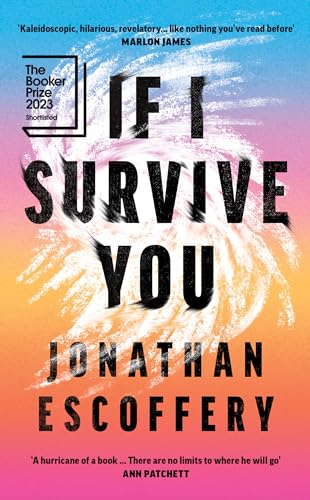
I’m going to kick off my reading marathon with Jonathan Escoffery’s If I Survive You and build up to Paul Murray’s The Bee Sting, which at 656 pages represents the greatest threat to my not completing the shortlist!

Ready, Set, Go…

At the Hay Festival 2023

I had a busy half term week, spending time with my children and some friends, and a glorious couple of days at the Hay Festival, so no time for blogging. I didn’t make it to Hay last year; with both my daughters doing important exams, I just felt I couldn’t be away from home at such a crucial time. So it was especially sweet to go back this year. I went for two days, staying overnight in a tent – I am NOT a camper! – at the official Hay campsite, which I felt was preferable to a B&B miles away. It was an experience. Perhaps the coldest night of my life. Hay on Wye is in quite an exposed position, with a cool breeze, even though the sun shined the whole time. Night time temperatures dropped to around 5 degrees, so it was not comfy, even beneath the many layers I had packed. The good value and the proximity to the festival site made it worthwhile though. I’m not sure what it would have been like if it had been raining.

I saw some really interesting presentations, very little on the fiction front this year, strangely. To be honest, I don’t think I picked the best days with regard to the programme of events. My fantasy is to spend the whole week there, to dip in and out, participate in some of the off-site events, perhaps do some of the walks in the area, but that will have to wait until I am free of the tyranny of the the school calendar! It’s also not cheap: drinks and meals on the site are expensive, so if you could self-cater somehow and take packed lunches it would be much more manageable.

Below are some of my photos from the event. If you’ve never been I highly recommend it. If travelling to Hay is not possible, you can watch many of the events on the Hay Player, which is very reasonable at £15 a year and gives you access to a huge back catalogue of events too.

George Monbiot (journalist and climate activist) and Minette Batters (head of the NFU) discussing farming and the environment – a very heated debate!

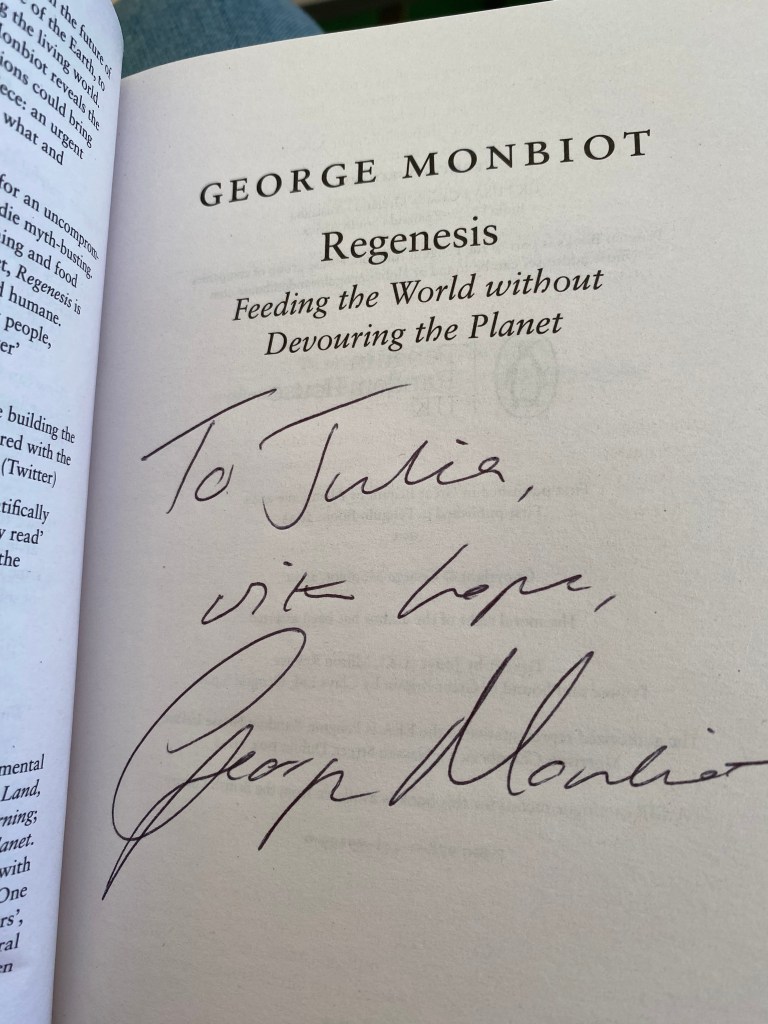
On the few occasions when I have met famous people I have not been very good at it! They say you should never meet your heroes. This time I managed to mumble a few words of conversation in the brief encounter to get my book signed.

BBC colleagues Jeremy Bowen and Frank Gardner discuss their experiences in the Middle East
The Hay Festival at night when all the day’s crowds have gone

BBC correspondent Lyse Doucet gives the Christopher Hitchens memorial lecture, covering the future of journalism and the concept to truth in reference to AI. A panel of historians discusses how we represent history, particularly in reference to Britain’s stately homes, with the CEO of the National Trust.

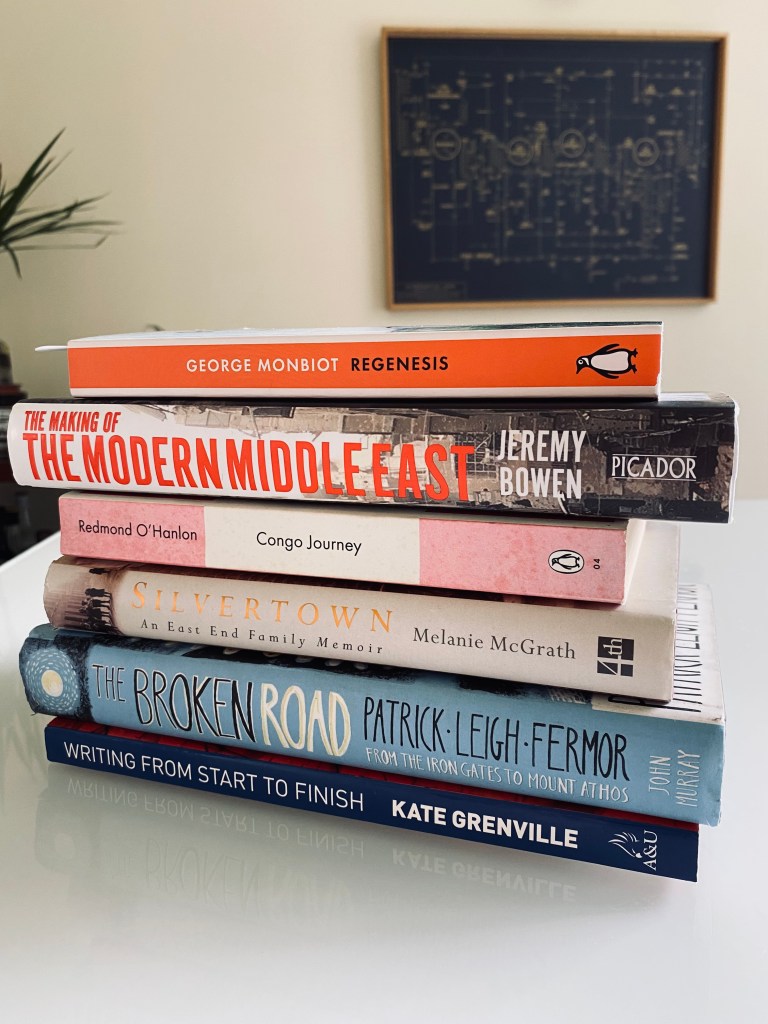
And of course, the obligatory book haul – another of the expenses at Hay! I believe I was quite restrained…

As usual, Hay 2023 was inspiring, fascinating, at times controversial and always stimulating.

Women’s Prize for Fiction shortlist

The shortlist for the 2023 Women’s Prize for Fiction was announced following much anticipation last week. The winner will be announced on 14 June, but it is one of those literary prizes where you suspect all of the finalists feel like winners due to the sense of warmth and inclusivity around it. This prize has really taken off in recent years thanks to some brilliant marketing activity. The team made fantastic hay out of the Covid lockdowns, running Zoom chats with shortlisted authors (and many hundreds of fans) where you really felt like you were part of the contest. All facilitated by the inimitable Kate Mosse, of course, the dynamic founder of the Prize. Unlike the Booker prize the Women’s Prize also has a sense of humility about it; it doesn’t confine itself to purely literary novels. This is a contest that celebrates the joy of reading in its widest sense, with podcasts, blogs and email newsletters that really keep you engaged.

This year’s shortlist of six books includes three debut novels and three from established authors.

Fire Rush by Jacqueline Crooks

This book has been getting a lot of attention. It is the author’s debut novel, though her short stories and non-fiction work have garnered praise. Set in 1970s London it tells the story of Yamaye, a young black woman and her relationship with the music she identifies with as part of her cultural inheritance, dub reggae. She meets and falls in love with Moose, but when their love affair ends, it triggers a search for identity and a personal transformation.

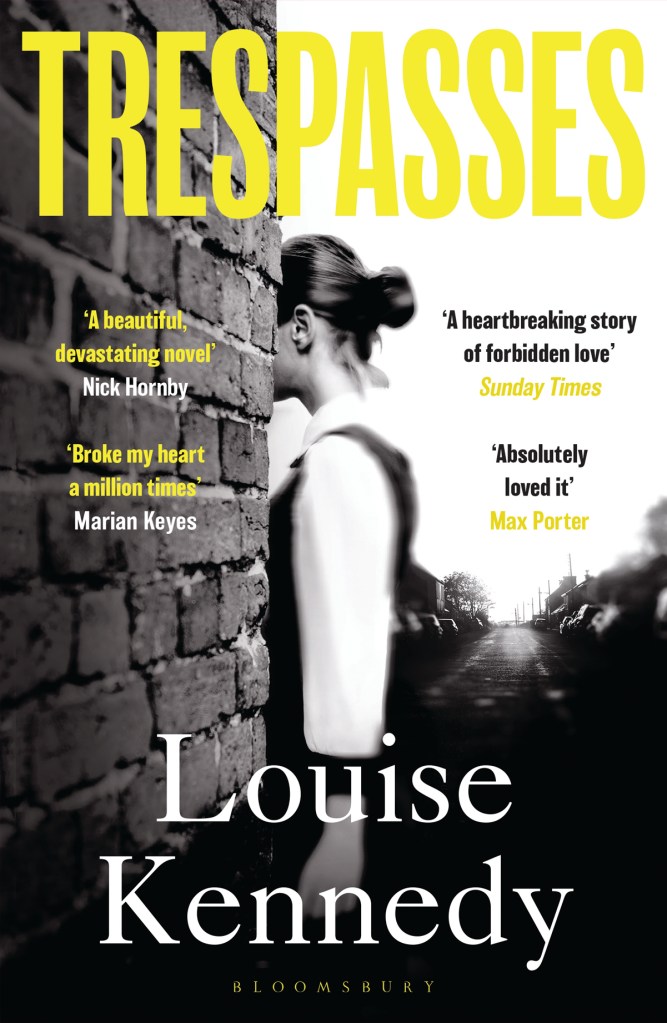
Trespasses by Louise Kennedy

Another author better known for her short stories, Irish writer Louise Kennedy’s novel is set in Belfast during the period known as ‘the Troubles’, a poignant moment to remember those terrible days as we mark the 25th anniversary of the Good Friday Agreement. It tells the story of primary school teacher Cushla navigating love and politics in the most challenging of circumstances. For most of us it is hard to imagine what it must be like to try and live an ordinary life surrounded by violence and threat but if the reviews are anything to go by, Louise Kennedy has pulled it off here.

Demon Copperhead by Barbara Kingsolver

Kingsolver’s 1998 best-selling novel The Poisonwood Bible remains one of the best books I have ever read – it had such a powerful impact on me. This literary giant needs no introduction and has both won and been shortlisted for the Women’s Prize before. Demon Copperhead is said to be her modern take on Dickens’s David Copperfield where a young man, born into poverty in Virginia tries to make his way in the world in a modern America beset by social problems and prejudice.

Black Butterflies by Priscilla Morris

Another debit novel, this one also set in against the backdrop of conflict, this time Sarajevo in 1992. As we watch the terrible events in Ukraine unfold day after day it is easy to forget that only thirty years another devastating war took place on the European continent and destroyed a country. This novel tells the story of Zora, an artist and teacher who must decide whether to flee their home or try to stay and defend their city against siege.

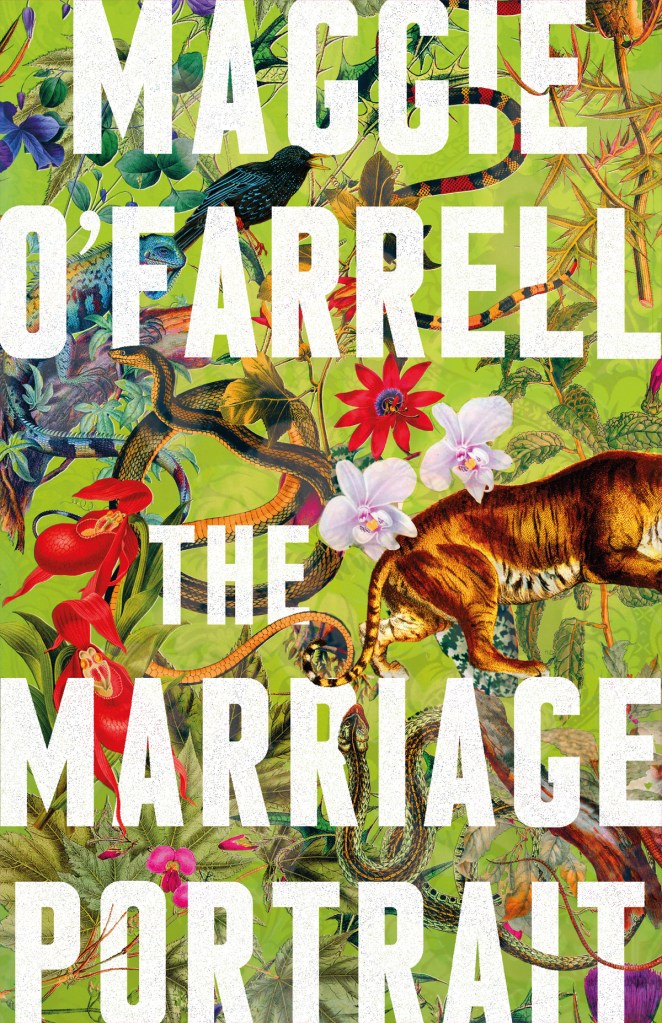
The Marriage Portrait by Maggie O’Farrell

Another author who needs no introduction, having won this prize a mere three years ago with her incredible novel Hamnet. This is her follow-up and is another work of historical fiction, this time set in Renaissance Italy. Sixteen year old Lucrezia has been married off to a powerful Duke, Alfonso, whom she believes plans to kill her. Powerless and alone she must try and save her own life. Based on a real person, it looks like Maggie O’Farrell has produced yet another literary gem.

Pod by Laline Paull

This looks to be the most unconventional book on the shortlist, where the central character is a dolphin. Afflicted by a form of deafness which isolates her within her family group, Ea survives a tragedy that kills other members of her family. Young and alone, she must navigate the treacherous oceans and multiple dangers. Exploring themes of family and belonging Pod also remninds us of the fragility of our natural environment and the impact humanity has had on other species.

Quite a shortlist! I would love to think that I might be able to get through them all before the winner is announced – six weeks and counting! I hardly know where to start.

Books due out this spring

If you were watching, listening to or reading the news over the Christmas and New Year holidays, you might think that the publishing event of 2023 had already happened. Yes, that autobiography! It is everywhere and has already become the fastest selling non-fiction book ever. I suspect that anyone who was going to buy it has already done so which I hope means that the initial brouhaha has died down. Those of us interested in books rather than gossip, however, can settle down and look forward to some far more interesting offerings for the first few months of the year. Here are a few of the titles I’ve picked that are due for publication this spring and which I am heartily looking forward to.

Two of the world’s finest living writers will be publishing new work this spring. Margaret Atwood releases what will be her eleventh short story collection Old Babes in the Wood in March. Salman Rushdie, who last year survived a vicious stabbing incident, perpetrated while he was a guest at a literary festival in the US, publishes his thirteenth novel Victory City, which is due out later this month.

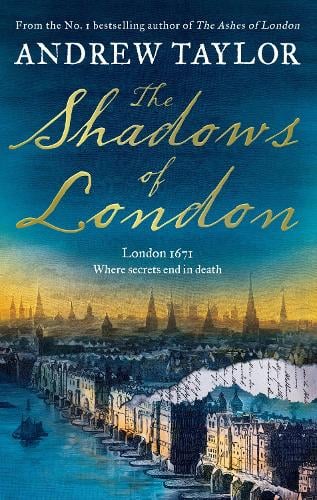
I am very excited about the prospect of a new Marwood and Lovett mystery by one of my favourite contemporary authors, Andrew Taylor. His sixth book in the series, The Shadows of London, which follows on from his other post-Great Fire of London novels, many of which I have reviewed on here, is due out in March.

Caleb Azumah Nelson is undoubtedly one of the young new authors to watch at the moment. His first novel Open Water, published in 2021, was multi-award winning. His next offering Small Worlds, is due out in May and is about a young man in London whose life revolves around music and dancing. The world he has built for himself begins to be challenged however, in his relationship with his father, his faith, and his Ghanaian heritage. It’s being widely trailed already.

One of my favourite children’s authors of recent years is Zillah Bethel. Her 2016 book A Whisper of Horses is a joy. Her latest novel The Song Walker is out this month and concerns a young girl who wakes up in the middle of the desert with no idea who she is or how she got there. She meets Tarni, also alone and on her own mysterious journey, and the two trek across the Australian outback in search of answers to their respective questions.

Journalist Ian Dunt is a thoughtful and interesting political commentator, and there has been lots to comment on in the UK in the last few years! The public is now beginning to ask seriously whether the system of government we have is fit for purpose. As I ease my way back into some non-fiction, his new book How Westminster Works and Why It Doesn’t, due out in April, might be one to reach for for answers.

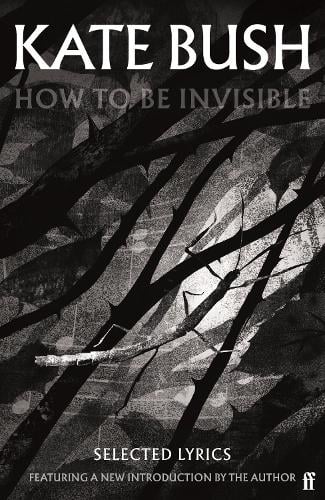
And finally, a book I will definitely be coveting is How to be Invisible: selected lyrics of Kate Bush, the paperback version of which is due out in April with a new introduction by the woman herself. I am a huge admirer and still listen to her music frequently, but she is such a recluse that we fans have to take every little Kate-tidbit that comes our way! Definitely a keeper!

What publishing events are you looking forward to in the next few months?

On reading challenges

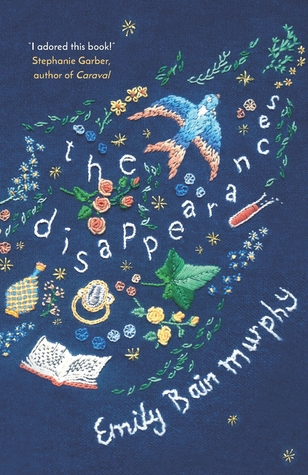
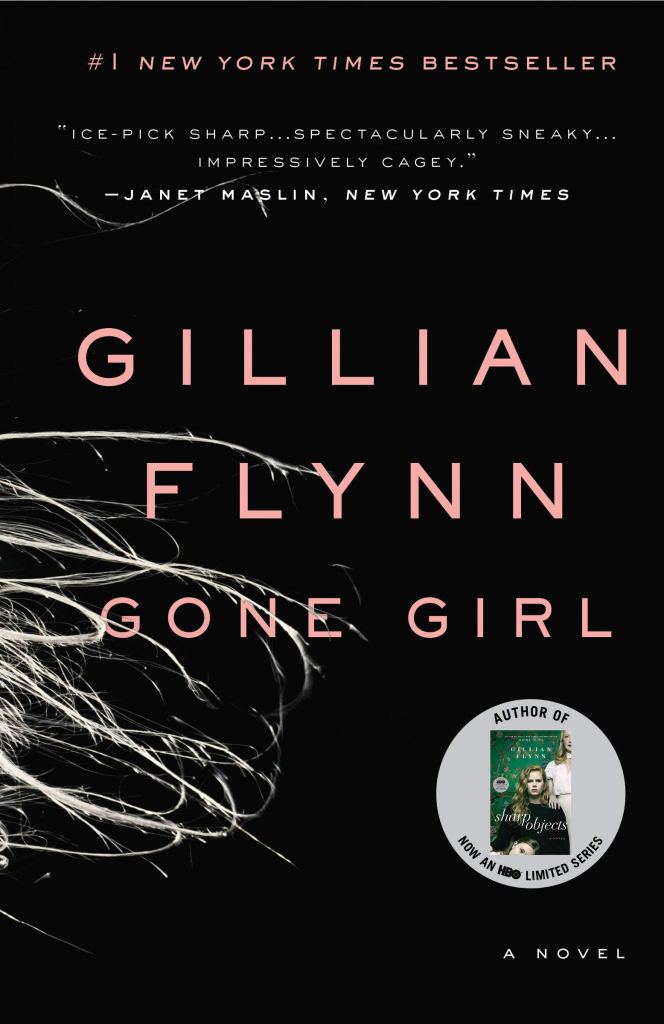
Every year there are very many interesting reading challenges that bloggers and others set themselves. I have done one every year since I started this blog more than six years ago and I have participated in others, some successfully, some not. For a while there my challenge was to pick a genre or theme for each month and select a title. The aim was to expand my reading horizons and delve into things that would not normally attract my attention, such as science fiction or autobiography. It worked and I read some amazing things. Some stand-out discoveries for me were Emily Bain Murphy’s The Disappearances, the very first choice in my very first reading challenge in 2018, classic crime fiction (I never imagined I’d become a fan of Agatha Christie) and Gillian Flynn’s Gone Girl, which I confess I had been a bit snooty about when it was published.

Last year, I decided I wanted to read more non-fiction. I only managed about four books! And, another confession, Margaret Atwood’s Burning Questions, which I think I started last summer, remains in my bedside pile, only half-read! Don’t get me wrong, I’m really enjoying it, but it’s a chunky volume and is a series of essays, some only a few pages long, so it’s the kind of book you dip in and out of. Definitely not one to speed read. It was a tricky year between one thing and another and I neither read nor blogged as much as I have done in previous years.

So, as the end of January draws near (noticeably longer days, hurray!) I find myself reading about other people’s reading challenges and wondering should I be doing one? And the conclusion I have come to, is perhaps not. Having failed (and I’m using that word with a degree or irony) last year to achieve quite a number of the goals I had set myself, due to a mixture of over-estimating my time and abilities, and under-estimating the other demands that would be placed upon me by life, I have concluded that perhaps the overall goal of expanding my reading horizons has been met, and I don’t need to do that any more. That particular habit has been well and truly established and neither do I need encouragement to read.

What I am going to do, however, is aim to pull an unread book off one of my shelves each month to read. If you are reading this you will no doubt be familiar with the particular compulsion that we book lovers have to just keeping on buying new ones, despite the many dozens of unread ones we already own! This is both a waste of money and a source of unnecessary guilt. I’m going to aim for one a month but be kind to myself if I don’t manage it.

First title to be dusted off the ‘unread’ shelf!

There’s less than a week left of the current month, so I’ve been looking for something shortish, and I’ve landed on Hilary Mantel’s Fludd, published in 1989. I have no idea how long I have had my copy, but I vividly remember reading her 1992 novel A Place of Greater Safety. It was one of the first books I read after completing my English degree (at which point my head was too saturated to read anything substantial for a long time) and it reignited my passion for literature, so I’m guessing I bought this book around that time. Hmm. I make that about thirty years. It’s time to give it the attention it deserves, don’t you think?

Booker Prize winner announced tonight

Yesterday I posted my fourth Booker Prize shortlist review. The winner of this year’s prize will be announced this evening at 7pm. You can follow it live on various radio and online channels (details here). Unfortunately, I have to work this evening so I will have to wait until later to find out the result.

I did not manage to read all six books on the shortlist this year. I have completed and posted reviews of the following:

I have started The Seven Moons of Maali Almeida by Shehan Karunatilaka, but I’m afraid I have put it down again twice and gone to a different book! I just can’t seem to get into it.

I am most annoyed that I have not yet finished Treacle Walker by Alan Garner. Alan is an author who is from Alderley Edge in Cheshire, not far from where I live. It’s very exciting to have a local author on the shortlist. It would be amazing if he won!

I have thoroughly enjoyed all four of the books I have read and reviewed, it’s a strong shortlist, but the easy standout for me is Glory. It is just such a powerful and ingenious novel. I haven’t read anything like it before.

So, for me, it’s fingers crossed for NoViolet Bulawayo or Alan Garner!