Audiobook review – “Women of a Certain Rage” by Georgie Hall

Last week I posted a non-fiction book review of a somewhat high-brow, very serious and political book (Prisoners of Geography) that left me feeling, yes, better informed about world affairs and the historical origins of certain persistent conflicts, but also rather gloomy. I now have something rather different to offer. I listened to this book in the summer too and it was much more fun. Definitely not high-brow, but that’s the great thing about reading there is a book for literally every mood! Georgie Hall’s Women of a Certain Rage probably falls into the genre of “chick-lit” and so is unlikely to be read by anyone other than women of a certain age, but it could do with being read by others too, to give them an insight of what is to come or what their partners or mothers might be going through. 

Eliza is a middle-aged mother of three living near Birmingham in central England – her eldest son Joe is at university, her middle daughter Summer is a teenager at college and her youngest, Edward is at school and is neurodivergent. Eliza has been married to Paddy for more than twenty years. They met in London when both were young and carefree and Eliza was starting out on her career in acting, full of dreams and ideals. Now in middle age, Eliza finds herself at a crisis point: her relationship with Paddy seems to have reached something of a stalemate and she feels she is becoming increasingly irrelevant to her children. Furthermore she and Paddy are part of the sandwiched generation – still looking after kids, but also with ageing and increasingly dependent parents, and in conflict with siblings over who should take responsibility. 

At the start of the book, Eliza is verbally abused by a lorry driver who calls her a “mad old bat” and she has a sudden realisation that for women, as they age and as youthful attractiveness fades, they become either invisible, irrelevant or a target. Eliza is then further unsettled by the attentiveness of an Italian restaurant owner. When he begins to pursue her, seemingly in the hope of having an affair with her, it causes her to re-evaluate her marriage. 

Paddy and Eliza are not well-off and Paddy’s passion is his narrowboat, a family treasure which has huge sentimental value due to the connection it brings him with his parents. When financial pressures threaten to take the narrowboat away from them, Eliza decides to take drastic action which will force her to dig deep into all her resources and resilience. 

Eliza is a warm and likeable character, struggling to navigate her way in a world that no longer seems to value what she has to offer. Going through the menopause throws her into a physical and emotional maelstrom which will expose all the fault lines in her life, her marriage and her family. Any woman in their forties or fifties will recognise at least some of what Eliza is going through; even if not the menopause, the challenges of a long marriage, teenage children and financial pressures will resonate. I thoroughly enjoyed this book and felt invested in Eliza and her journey. Yes, some of the characters are predictable and two-dimensional, but I liked how some of the relationships develop, especially that between Eliza and Paddy, Eliza and her siblings, and with her daughter Summer (although she was deeply irritating at times, a bit of a caricature). A fun, easy read.

I listened to it on audiobook and it was read energetically by Rachel Atkins. Recommended. 

Book review – “Prisoners of Geography” by Tim Marshall

I remember a friend recommending this book to me a few years ago and I made a mental note but never got around to reading it, so I was delighted to pick this up at my local Oxfam bookshop at the start of the summer. The book was first published ten years ago (my edition was revised and updated in 2016) but a further edition has been published this year. One can understand why a new version was needed; 2015 seems almost quaint at this point, another era. It pre-dates the first Trump presidency, Russia’s 2022 invasion of Ukraine, Britain leaving the European Union and, of course, the Covid-19  pandemic. It also pre-dates by some distance the devastating events of the last two years in Israel and Gaza.

And yet, one of the striking things about reading this nine year-old edition is how prescient it is and how it explores some territorial issues that never seem to go away. The Middle East chapter explores the ancient origins of conflict in the region, the way it has been used as a political football by colonisers (particularly the British and the French, sadly) and the cavalier attitudes that have been shown towards tribal, cultural and religious sentiments. The seeds of present-day conflict in many countries in this region have been sown over decades, if not centuries. 

The Africa chapter is equally shame-inducing – the actions of arrogant colonisers have created so many of the problems that the continent is experiencing today and the wealth of natural resources present there continue to make Africa a target for richer nations wishing to exploit division and grow richer and more powerful in the process. Marshall also argues that the vagaries of climate, topographical challenges and the prevalence of some devastating diseases have hampered African nations’ ability to prosper.  

The book opens with a chapter on Russia and a very interesting discussion about the psyche of that nation which may go some way to explaining its attitude to Ukraine. Of course, Russia first invaded Ukraine when it took Crimea in 2014 – that will have been very recent history when Marshall was writing this book – and it is quite prescient that he chooses to start the book almost with a warning that Russia has not yet completed the job it set out to do in 2014, now more than ten years ago. Putin can afford to be a patient man as, unlike many world leaders, he does not have to worry about the threat of being voted out of power. 

China is endlessly fascinating and merits a chapter of its own, as does the United States, and here Marshall writes of the tremendous natural advantages that country enjoys – perhaps leaders of that country might be a little more humble and recognise the many gifts they have been given. 

Marshall is a journalist and broadcaster and former foreign affairs editor for Sky news. He knows his stuff and has written several books on the subject of the politics of nationality and of place, all of which seem to have been well-reviewed. I have seen him speak on several news and current affairs programmes over the years and he is a man worth listening to. 

This book is by no means a light read, nor an uplifting one but perhaps an essential one for anyone interested in world affairs and global justice.

Book review – “Dream Count” by Chimamanda Ngozi Adichie

I posted earlier in the week about this year’s Booker Prize shortlist and one of the books I was surprised not to see on the list (it did not even make the longlist) was the latest (and for me long-awaited) novel by Nigerian author Chimamanda Ngozi Adichie. So surprised was I by this oversight that I even double checked the eligibility criteria – was it published within the time frame? It was indeed and I remain very puzzled. It is hard to believe that it is twelve years since Adichie published her last novel Americanah, though in the intervening period she has written some shorter form non-fiction works. She and her partner have a young family so presumably she has been focusing on raising her children and she also lost both her parents and has written about her grief at these events.

Well, it was, in  my opinion,  worth the wait because she has well and truly hit a very rich seam once again with this, her fourth novel. Dream Count reflects on the dilemmas facing women today, on the choices between career and family, on the unreliability of too many men, on cultural clashes, on food, on the Covid 19 pandemic, on loneliness and fulfilment, on Africa and on inequality. 

The novel traces the story of four women – Chiamaka, who comes from a wealthy Nigerian family, her cousin Omelogor, a brilliant financial analyst and sometime academic, Chiamaka’s friend Zikora, a lawyer, and her long-time housekeeper in the US Kadiatou. The novel opens with Chiamaka’s story at the time of the Covid 19 pandemic when she finds herself stranded in the US, only able to communicate with family via internet video calls, as happened with so many of us. Chiamaka is a travel writer, who has had only moderate success, but her family’s wealth means she has no real need to work. There is pressure from her family to marry and have a family, however. Chiamaka is a romantic and the novel recounts some of her many relationships, but the men in her life invariably fall short either of her ideals of marriage or in terms of their character. 

Omelogor is a self-made woman, highly intelligent and extremely able from a young age she became a financier in Nigeria and made her fortune by taking her own share of the corrupt profits she helped her unscrupulous bosses cream off the state. A modern day Robin Hood-ess she sets about redistributing funds to less fortunate, less educated women in her community, women trying to support their families by setting up small businesses. Latterly she takes a sabbatical in the US and becomes a researcher into internet pornography and how this impacts on men’s perceptions of women and how they conduct themselves in relationships.

Kadiatou is Chiamaka’s housekeeper in the US. A deeply caring woman who left Nigeria at the behest of a man who promised to marry her. She has a daughter to whom she is devoted. Kadiatou becomes embroiled in a high-profile sexual assault case which closely resembles the true story of Nafissatou Diallo, a maid at a luxury New York hotel, and Dominique Strauss-Kahn, Director of the IMF, in 2011. The author references this case in her afterword. In her exploration of Kadiatou’s assault, the author explores the perennial problem of power imbalance and how the law and the media are stacked against immigrants, women and poorer people.

The fourth main character is Zikora, close friend of Chiamaka and Omelogor, a lawyer who also experiences family pressure to marry and start a family, but who again, finds herself let down by inadequate men, but also, sadly, a distant mother. 

The novel alternates between the different women’s perspectives, exploring their back stories, their thoughts, their preoccupations and their dreams. ‘Dream count’ seems to refer to the different sexual and romantic relationships and encounters they have, the good, the bad and the really ugly. Thus the term ‘dream’ becomes one that is loaded with irony and with cultural perceptions (a partner may appear ideal, dream-like, from the outside, but there are usually problems and inadequacies that make them unsuitable or unacceptable to these women). In their different ways none is prepared to settle for a second-best. 

There is so much to love in this novel. I listened to it on audio and was delighted that the opening part of Chiamaka is read by the author. Her voice is smooth and rich and filled with the nuance that only she, as the author, could understand. Thus she brings expression that makes listening even more of a pleasure. If I had read this as a book I feel sure I would have been turning the corner on every other page, defacing it with hundreds of underlinings and notes because the language and the expression are so powerful. 

It is the best post-pandemic novel I have read to date and a book I highly recommend. 

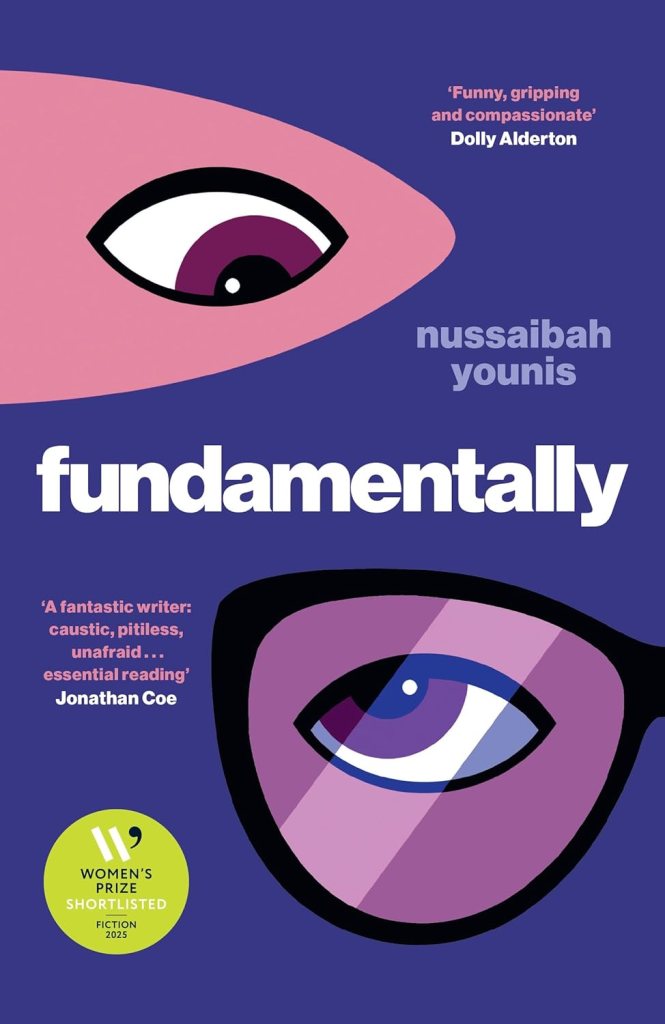
Women’s Prize shortlist review – “Fundamentally” by Nussaibah Younis

This is my final review of all the titles on the Women’s Prize shortlist, the winner of which was announced weeks ago! It has taken me ages to get through them all, I can’t believe it. Have I suddenly become very slow at reading? I have been working a lot of evenings which means prepping in the afternoon and then getting home late, crossing over with my usual reading times, so guess what has been put to one side? I’ve also been reading multiple books at once and am still slogging my way through Proust! Doesn’t matter, I suppose. There are no prizes for most books read, although the nagging notifications on my Goodreads account, telling me I’m behind on this year’s reading goals, make me feel like a bit of a reading failure, which is ridiculous!

Fundamentally is another debut novel, and I learn from Wikipedia that the author Nussaibah Younis went to a grammar school in the town where I live – small world! She went on to university in Oxford and is now based in London, but had a career in international relations, specialising in Iraq. She was brought up Muslim but describes herself as no longer religious. I am recounting this because there are significant autobiographical elements in Fundamentally, something which seems fairly obvious even if you did not know the author’s background. Similar, in that respect to Aria Aber’s Good Girl. That does not make the novel less good, or less worthy of being shortlisted, of course, but you wonder if the author has a limited range or if they are simply honing their craft by writing about what they know. Apparently, Younis is working on her second novel, so we will find out.

The central character and first person narrator in Fundamentally is Nadia Amin, a young British Asian woman who was brought up a Muslim but has rejected her faith, following, among other things, a complicated relationship with her overbearing mother. As a young adult she pursued a hedonistic lifestyle in London alongside her university studies. She gained a PhD which led to a prized lectureship. She also had an open relationship with another woman Rosie, but when this breaks down, she decides to escape by applying for a United Nations special posting running a rehabilitation programme for former ISIS brides in Iraq. Nadia is running away and she knows it, all the while hoping that Rosie will change her mind. 

Arriving in Iraq, Nadia realises quickly how naive she has been – the scale of the task is huge. The women she is working with in the camp are not the group of malleable, self-effacing, grateful subjects she envisaged. Rather they are complex, varied, traumatised and with ideas of their own. One young woman has a particular impact on Nadia: Sara, a Londoner who was lured to ISIS at the age of 15. In her, Nadia sees shadows of herself. Despite warnings from her colleagues, Nadia involves herself closely with Sara’s case, perhaps too closely, until events spiral out of her control. This is the central plot of the novel – how the relationship between Nadia and Sara resolves and the journeys that both women go on as a result of what they learn from each other. 

The other aspect of the novel is exploring the role of the UN and other agencies in former war zones and developing countries. With her background, the author is highly qualified to write about this. There is a mixture of fondness and criticism – the people working in the field are largely very dedicated but operating in highly complex environments, trying to square the needs and aspirations of governments (good and bad), officials, and those they are meant to be helping. There is both comedy (the bureaucratic somersaults that have to be performed to get anything done), sadness (at the inevitable waste, duplication and corruption) and nuance – not every person in need is objectively “good” all of the time. Rather like democracy, the UN comes across in this novel as far from ideal but perhaps better than the alternatives. 

I really enjoyed Fundamentally – there are a few cliches and some characters are inadequate and two dimensional (Geordie ex-soldier Tom was one I found particularly grating) but it is a great story. The ‘ISIS brides problem’ is difficult and complicated at every level but it deserves to be seen in all its complexity rather than in the lazy homogenised way it is often portrayed. I listened to it on audio and the actor, Sarah Slemani, handles the wide range of voices (and accents) remarkably well. 

Recommended

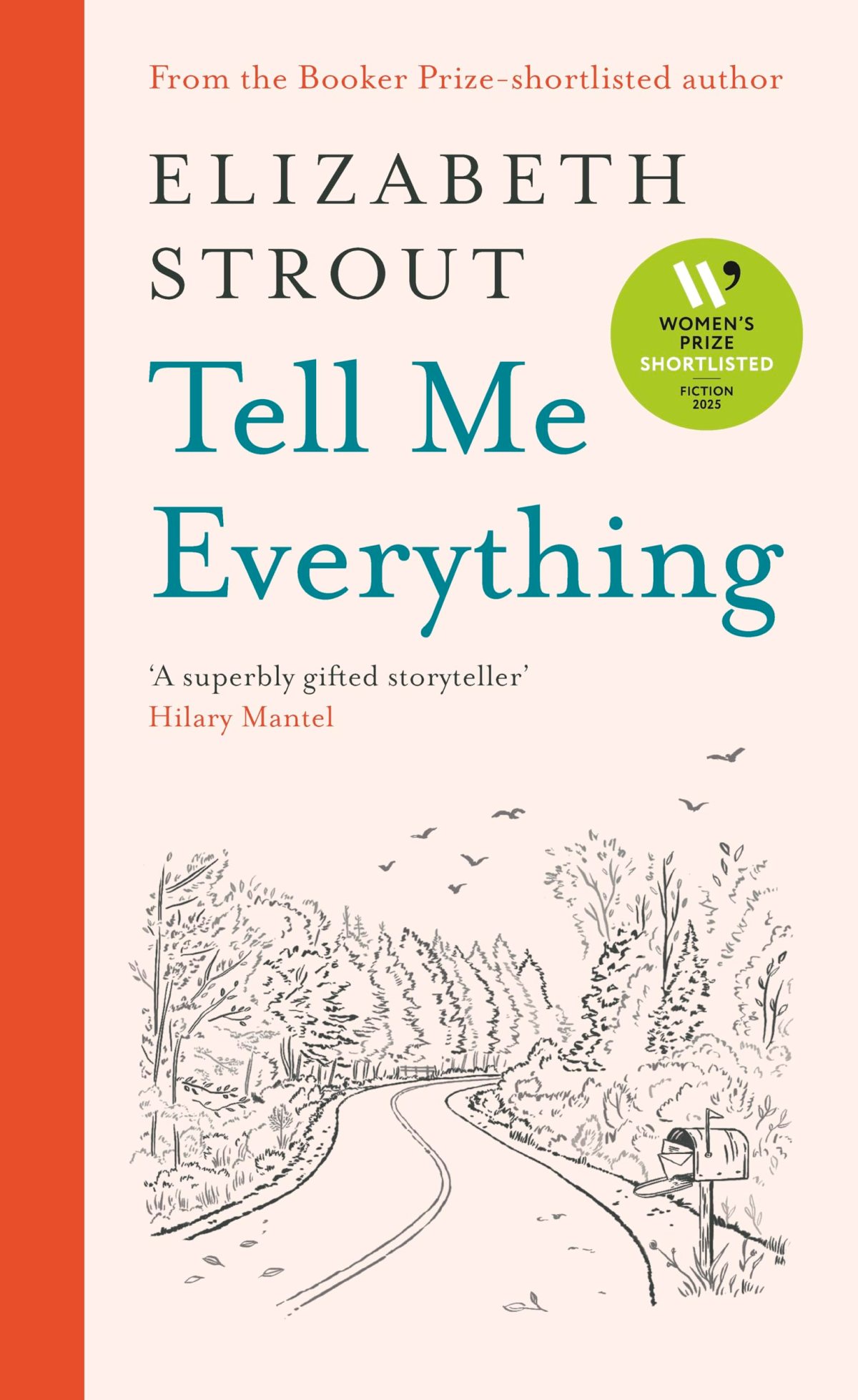
Women’s Prize shortlist book review – “Tell Me Everything” by Elizabeth Strout

Elizabeth Strout is the most experienced of the authors shortlisted for this year’s Women’s Prize and a writer I admire. I have not read all of her work, but I love her style and reviewed Oh William! on this blog after it was shortlisted for the 2022 Booker Prize. Strout writes many of her books in series, and Tell Me Everything  is book number five in her Amgash series (Oh William! was book number three). So, many of the same characters appear throughout the novels. She uses these characters in other novels too – for example, Olive Kitteridge appears in this book but she also has a book, in fact a two-book series, of her own! (Olive Kitteridge: A novel in stories and Olive, again). Some might not like this; it might seem that Strout is simply recycling, that she lacks ideas. I disagree. I think it takes huge authorial control and discipline to maintain  characters, remember their personality traits as well as their personal histories, but it also enables the author to take a very deep dive into the nature of what it is to be human and to observe over a long period of time the way that a person evolves and also the ways in which they do not change.

There is a bit of debate online about whether Tell Me Everything, or indeed any of the other books, can be read and enjoyed in isolation. As I said, I have not read her work extensively, but I certainly enjoyed Tell Me Everything and it really makes me want to go back and read her other novels. 

The central character in Tell Me Everything is Bob Burgess, a small-time lawyer and stalwart of the community in Crosby, Maine. This is quintessential Main Street America and, if nothing else, feels like an antidote to the more troubling vision of the United States that appears so often on our television screens these days. Bob spends most of his time on what we might call “pottering” until he is contacted out of the blue by a former school-mate who asks him to defend her brother, Matthew Beach, who stands accused of the murder of their mother Diana. Matthew is a lonely isolated man, probably neurodivergent, who lived with and cared for his sometimes cruel mother. 

As Bob begins to investigate he uncovers secrets about the family, the past, with which he is linked of course, living in a relatively small community and having gone to the same school as Matthew’s sister, and events beyond Crosby which seem to come back to impact on the town and its inhabitants. The case is not easy for Bob – he seems to be one of life’s innocents and he is shocked and hurt, not only by what he uncovers, but also by turns of events which affect the people around him. 

Bob shares many of his thoughts with his close friend Lucy Barton, central character in many of Elizabeth Strout’s novels, and through their discussions Strout is able to explore the central human questions and concerns that underlie both this case and other events going on around them. These other events include the serious illness of Bob’s brother’s wife, the professional challenges faced by Bob’s wife Margaret, the local minister, and Lucy’s relationship with her husband William, a man she once left due to his infidelity but who she now lives with again. There is also the Lucy Barton/Olive Kitteridge dimension; Olive lives in a retirement home but the two women strike up what appears to be an unlikely friendship, but after many get-togethers in which Olive shares lengthy stories about herself, her family and the many people she has known in Crosby, the two women find they have much in common – a deep interest in people. 

Though in many ways this seems like an old-fashioned novel with mostly middle-aged people in a small town with small lives, Strout brings in some very contemporary problems – child abuse, the opioid epidemic and other addiction problems, poverty, and family differences causing irreparable conflict and damage. All of these very modern problems impact on the characters and events in this novel.

I loved this book and could not put it down. My book club was divided – which probably reflects how readers more generally feel about Elizabeth Strout. I accept that her books might be a bit “Marmite”! I also love the way Strout writes – it appears simple, but is deceptively so, perhaps the hardest kind of writing to actually do. And her dialogue, which makes up a very high proportion of the book, is so natural. Her observation of people is brilliantly acute.

Of all the books on the shortlist this was the one I enjoyed the most, I think, but I can see it may not be the most consequential and therefore not one of those that was likely to win despite the author’s reputation and stature.

I recommend it highly though.

Women’s Prize shortlist book review – “Good Girl” by Aria Aber

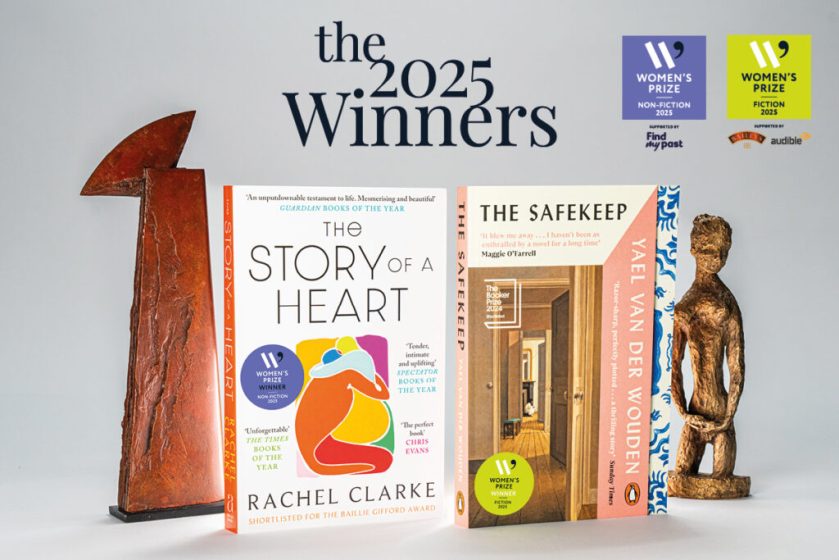
It was good to see the Women’s Prize garnering lots of attention again this year – it really is coming into its own as a literary event. The non-fiction winner, Rachel Clarke’s The Story of a Heart was covered in a piece on BBC Radio 4’s Today programme the morning after, while the fiction winner, The Safekeep by Yael van der Wouden, was not even mentioned. There was a bit of press interest however in the author’s acceptance speech comments about being intersex and the challenges she has faced throughout her life as a result of that, mostly the prejudice she has encountered. She also advocated for transgender people in the speech. It is worth watching and you can see it here. I do always feel the Women’s Prize ceremony is a little bit scrappy – surely they can get a bigger venue, or more organised stage appearances!

I am not sure I will read The Story of a Heart – whilst it has been described as uplifting and life-affirming, I think I might find it too emotionally challenging. It tells the true story of a heart transplant from a nine year-old girl, Kiera, who had died in a car accident, to a young boy Max, facing imminent heart failure due to a viral infection, and who needed a new heart to survive. The book is about the journey of both families.

I reviewed The Safekeep when it was shortlisted for the Booker Prize last year. I enjoyed the book very much, but I did not feel it was the finest book on the list. The Women’s Prize on the shortlist was somewhat different in character. I have so far read three of the other five books and whilst it has not been my favourite so far, I can see why it was chosen.

Good Girl by Aria Aber

I am going to start my reviews of the shortlist with Good Girl by Aria Aber. I think I am right in saying that Aria Aber is the youngest of the shortlisted authors and this is her debut novel. Aber is based in the US but was born and raised in Germany to Afghan immigrant parents and therein lies the rub for me – the novel reflects many of the details of her own upbringing. The central character Nila is a young woman, an art student, a talented photographer, but who has gone off the rails somewhat. Her parents were refugees from Afghanistan and have struggled to integrate in Berlin. The family lives in a run-down suburb of the city in a poorly maintained apartment block with hundreds of other immigrants who are not welcomed by the locals. The spectre of Nazism is never far away from their lived experience. Nila’s mother is dead, passing away suddenly as a middle aged woman who never fulfilled her potential; she was medically trained but her status was never accepted by the German authorities. Nila’s father simply does not know how to “be” in this society that is so alien to him, where his status as the male head of the household is neither recognised or valued, and where he is unable to get work fitting his standing. His outlet is to bully his wife and daughter.

Amidst all this ‘othering’, the unhappy home life and prejudice at school, Nila finds relief in Berlin’s underground music scene. In the clubs she is able to forget her Afghan heritage (her parents told her she should be proud, but she just feels shame and wants to hide it) and her problems at school. Instead she can lose herself in techno music, dancing, drugs and sex. On one of these nights she meets Marlowe Woods, an American writer, somewhat older than her, still dining out on past success but whose star is very much descending. His disillusion finds common cause with Nila’s hopelessness and the two strike up an intense but complicated relationship. 

I struggled to find very much to like about any of the characters in the novel. Nila is a vulnerable and troubled young woman and it is clear to see why she behaves the way she does. It is also a difficult read in the sense that the immigrant experience does not seem to have improved and the challenges of integration affect young people the most. I found it difficult to work out with Nila, what was a kind of ‘nihilism of youth’ and what could be attributed to the specifics of her situation. Parts of the novel felt like they were an angry young person who was simply rebelling and for me that was not particularly interesting. I did not like Marlowe at all, I thought he was just a creep, and I also felt the ending was a little weak. 

So, hmm, not my favourite.

I have also read The Persians, which has acquired an additional resonance for me in the light of recent events in Iran, and I felt, as far as the immigrant experience goes, this was far more cleverly and subtly done. I’ll review that next time. 

New year! New AI?

It was a very busy December – my day job sort of took over my life and the only spare capacity I had needed to go towards preparing for Christmas. After a busy start to the year, spending time with family, the rest of January and February are turning out to be much quieter, much of my work on the day job having been cancelled (careful what you wish for!). But I am hoping this is just a brief hiatus and that things will pick up in the spring. In the meantime I am trying to make the most of this ‘found time’, to rest and recuperate, take a holiday, read lots and watch some of the things on my television catch-up list! Are any UK readers here as addicted to The Traitors as much as I am?!

I haven’t made any new year resolutions as such – why set myself up to fail in what must be the toughest month of the year! – but I have been reflecting on the year that has passed. It was a roller coaster for me, with some big achievements and some very happy events for my family, but also some changes that will no doubt require a bit of adaptation in our lives. The world felt like a turbulent place in 2024 and I am somewhat afraid for the medium term future – it does not look like things will get better any time soon, the opposite seems more likely.

As each day goes by I find myself interacting with AI with a frequency not of my choosing. Whether it’s outcomes on things I search for online, interactions with businesses and services, or, on this very blog, strangely worded comments that do not seem to come from real humans. Has anyone else found that too?

It takes me quite a while to write a blog post, to think about what I want to say, to express my thoughts or write a book review, to edit it and then press all the necessary buttons to post. There are I am sure people (or not-people) out there simply asking ChatGPT to write a book review, an essay or a thought-piece and getting the job done in a fraction of a second. I could make it all so much easier for myself! And what about those AI- generated books and stories that people are publishing, crowding out hard-working, intelligent and thoughtful writers? As for social media, I can no longer think of one good thing to say about it.

Nothing beats curling up with a really thick book in winter!

All these rather disheartening external factors have, however, led me to focus on what is truly good and worthwhile. Over the last few weeks I have read some really wonderful books (Labyrinth by Kate Mosse, for example, after finishing which I rushed out to get Sepulchre, the second book in her Languedoc trilogy and will be reviewing both soon), I have spent some truly wonderful time with family and friends, and I have enjoyed nature and my garden, the deep midwinter and the snow.

To all the human bloggers and writers out there, happy 2025, I hope that you too are able to continue doing your thing, honing your craft and spreading joy in the year ahead.

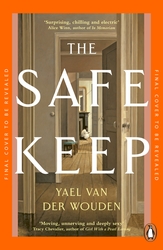
Booker shortlist review #6 – “The Safekeep” by Yael van der Wouden

Winner of the Booker prize 2024

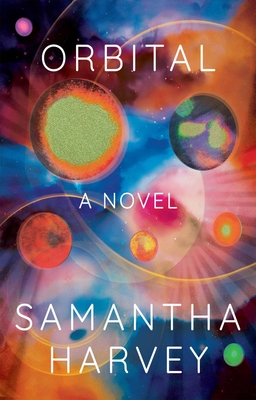
This is my sixth and final review of this year’s Booker Prize shortlist. The winner was announced a couple of weeks ago so I didn’t quite get all my reviews in before the big day! The prize went to Samantha Harvey’s Orbital which is a worthy winner in my view and it is interesting that the Chair of judges said the decision of the panel was unanimous. It feels like it was a book for this moment, when we seem to be on the cusp of something big globally and could all do with stepping back and looking at the world from a different perspective. If only!

The Safekeep is one of the longer books on the shortlist and that’s partly why I left it until last to read. It is also the debut novel of its Dutch author (the first from the Netherlands to be shortlisted I believe) and is a very impressive piece of work. It is set in the rural east of the country, bordering Germany, in 1961 and the central character is Isabel, a young single woman living alone in the house formerly occupied by her and two brothers (Hendrick and Louis) and their mother. The mother is now dead and Isabel is still clearly deeply in grief. She is obsessive in trying to preserve the house and all its contents, even broken fragments of crockery that remind her of her mother. She creates an inventory of the contents when she believes that the maid Neelke is covertly taking items away. Isabel is an anxious and paranoid woman.

In many ways she has every right to be anxious; she sees herself as the only custodian of their parents’ legacy. Her older brother Hendrick escaped the small town as soon as he could, preferring to live in the city with his boyfriend, and the younger brother Louis is an irresponsible womaniser. He will also inherit the property when its official owner (Uncle Karel, who obtained the house for his sister during the war) dies. Isabel will be homeless without any means of supporting herself, a fact which they all seem to brush over. Isabel is lonely, isolated and grieving.

When Louis invites his siblings to meet his new girlfriend Eva (whom Isabel views with disdain at their very first meeting) and then installs her in the house when he has go to England to work for the summer, Isabel is furious and desperate. To make matters worse, Louis gives Eva their mother’s old room, which Isabel has treated almost as a shrine, and cannot understand why his sister is so affronted. Over the course of the summer, the development of Eva and Isabel’s relationship will transform their lives. 

It is hard to say more about this book without revealing the significant plot twist. It took me a while to warm to any of the characters: Louis is insufferable and selfish, Hendrick is bitter and Isabel is uptight and unreasonable. Eva, initially, seems dull and insipid. But the book is about Isabel’s transformation and her coming to terms with loss. She has lived in the shadow of her mother, her brothers, the war (which would still have been fresh in everyone’s memory in 1961) and not been allowed to be herself or even acknowledge who she is and what she stands for. It is also a book about memory, and legacy, and the importance and value of “things”, what we hold on to when our life feels outside of our control. There are some significant sex scenes which felt a bit cringey – the portrayal of the intensity was powerful but they went on too long and were overdone for me. I also listened to this on audio and found the reader not great, almost to the point of distracting, so I’d recommend reading the book on paper. The book is undoubtedly a powerful debut, however, and I look forward to what more this author has to offer in the future. 

3 fiction book reviews

Having done so little blogging over the last few months I’ve built up quite a backlog of reviews, even though my reading rate has not been that impressive, if I’m honest. I’ve been listening to more audiobooks than I have been reading actual books and I’ve worked through quite a few on my travels and whilst running, so I’d like to tell you about three that I have particularly enjoyed.

The Shadows of London by Andrew Taylor

I love Andrew Taylor’s Marwood and Lovett books and have reviewed them all on here, from the very first Ashes of London to the most recent The Royal Secret. I get very excited each time I see there is a new one out and I listened to this, the sixth instalment, in the spring. For fans of the series, it has all the things you want and love – the courtly intrigue, the meticulous historical research, the same lovable and not so lovable characters, and a thread of continuity that makes you feel you are back with an old friend. This latest novel steps up to deal with sexual exploitation, by cruel and powerful men using powerless women to achieve their ambitions. In an afterword the author writes of how current scandals (referencing Harvey Weinstein, Jeffrey Epstein and others) gave him the inspiration to look back and explore the issue from a historical perspective. It is sobering to realise how little has changed. For fans of this series, the chemistry between the two leading characters is one of the main draws, and in this novel, the author rewards our patience!

Anxious People by Frederik Backman

This was another audiobook I thoroughly enjoyed. It is hard to say too much about it because the joy of it is in the twisty plot, the serial revelations and the about-turns that catch the reader on the hop. This is a book which is not at all what it seems. The novel opens with the police trying to solve a hostage drama. Six strangers who have all come to view an apartment are thrown together when a failed bank robber holds them captive. We first encounter them when the police are interviewing each of them to ascertain the sequence of events that led to the robber evading capture, despite the building being surrounded. Each of the hostages appears unhelpful, irritating and deeply frustrating and I must admit that in the first few chapters I fell into the trap of thinking that the book was going to be long-winded with poorly-drawn characters. Oh how wrong I was! As well as having a fiendishly clever plot the book is a wonderful study of six (plus!) fragile adults, none of whom is quite what they seem. Brilliant! And I will definitely be going back to this author for more.

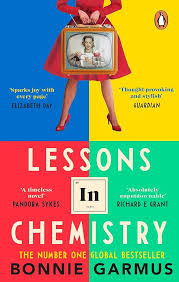
Lessons in Chemistry by Bonnie Garmus

This book was heavily marketed when it was published in 2022 – it had a profile in almost every bookshop I entered and was widely advertised in the print media. Its author also gained a lot of attention for publishing her first novel in middle age. She deserves credit – it’s a good read and has been made into a film starring Brie Larson. Set in the 1960s its central character is Elizabeth Zott, mother to Madeline and presenter of a popular television cookery show, Supper at Six. The show is unusual in that it emphasises the chemistry involved in cooking and the labour and skills required in running a home. This soon gets Elizabeth into trouble, however, as the last thing TV executives want is a show that inspires female viewers to self-actualise! The novel tells us how Elizabeth got to this point. Highly intelligent and driven she was denied the chance to do a PhD, exploited by her male colleagues at the research institute where she worked and sexually assaulted. She falls in love with her colleague Calvin Evans, a brilliant and highly-regarded academic, despite herself and her life looks to be heading in a certain direction. But then events turn her world upside down. This is a great read, sure it’s cliched in parts, but it’s fantastic entertainment and exposes some of the very real hardships talented women faced not so very long ago.

Looking at the above reviews I am struck at how my reading seems to have involved some escapism – perhaps the challenges of my work and domestic life meant that I fell back onto modern popular fiction as a bit of nourishment for the soul! And if that’s not what reading is for, then I don’t know what is.

I’d love to hear if you have read any of the above and if so what you thought of them.

Can I stay ‘Wintering’ for a bit longer please?

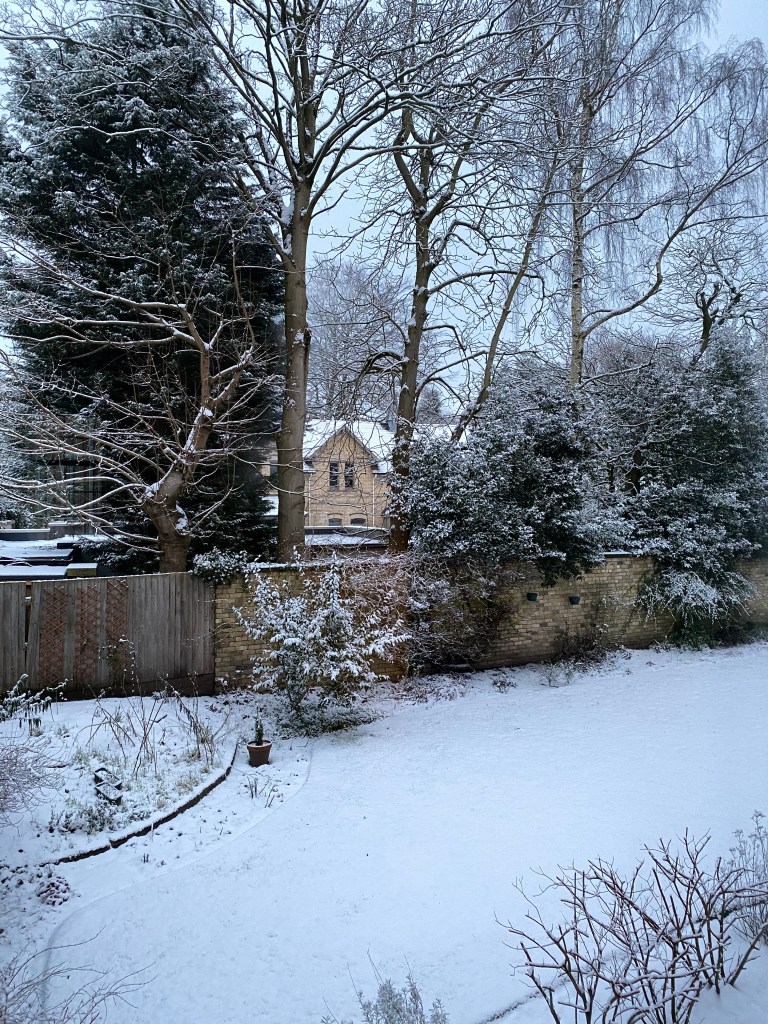
A light smattering of snow here in Manchester in January

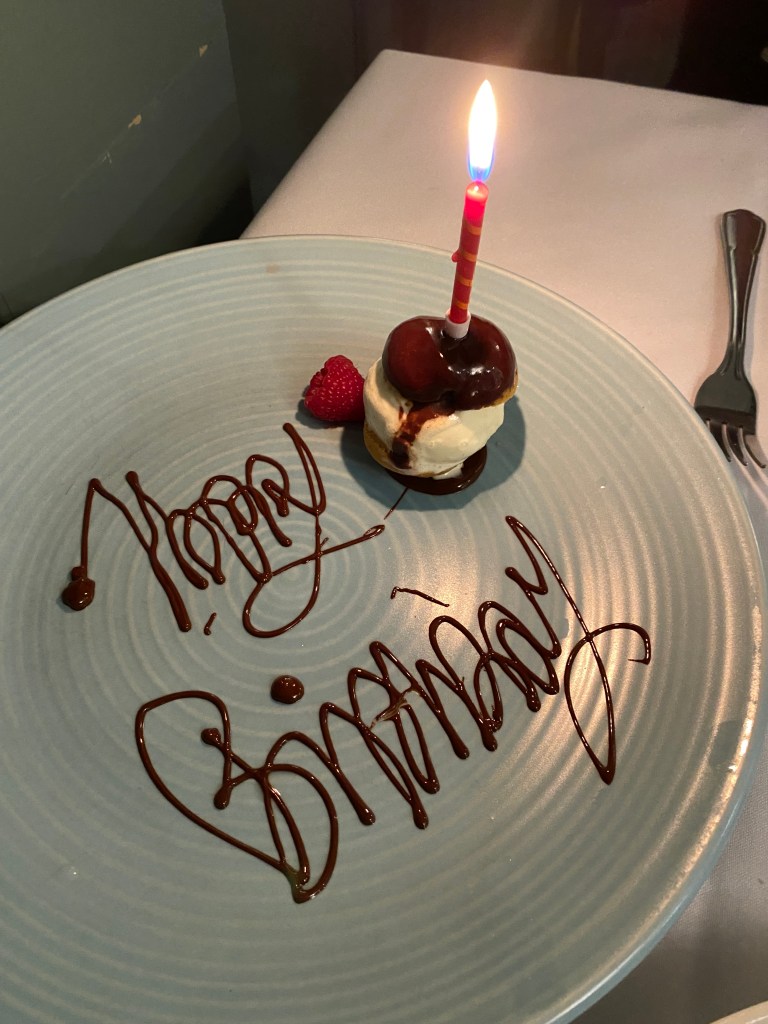
Every day I am hearing people around me expressing with some relief that the bulbs in their garden are starting to appear and marvelling at how the days are lengthening. I am sure we are all looking forward to lower heating bills and the return of a little more light, but a part of me regrets the wishing away of our lives, the constant looking forward as a way of escaping the here and now. I had a birthday this week so perhaps I am just feeling somewhat reflective. It was on Monday – for some the worst day of the week, but my personal favourite; it’s like we get a new chance to start again, every seven days!

My family and friends were lovely with their gifts, their love and their good wishes, but my birthday present to me was a whole day free of obligations and to-do lists. I pleased myself for a whole 24 hours and it was bliss! I went for a swim, had a coffee at my favourite cafe and watched Saltburn in the evening (my kids have all watched it and thought it was “weird” so I had to check it out). I loved the film actually, a definite Recommend from me if you’re looking for something to watch. Superb performances all round.

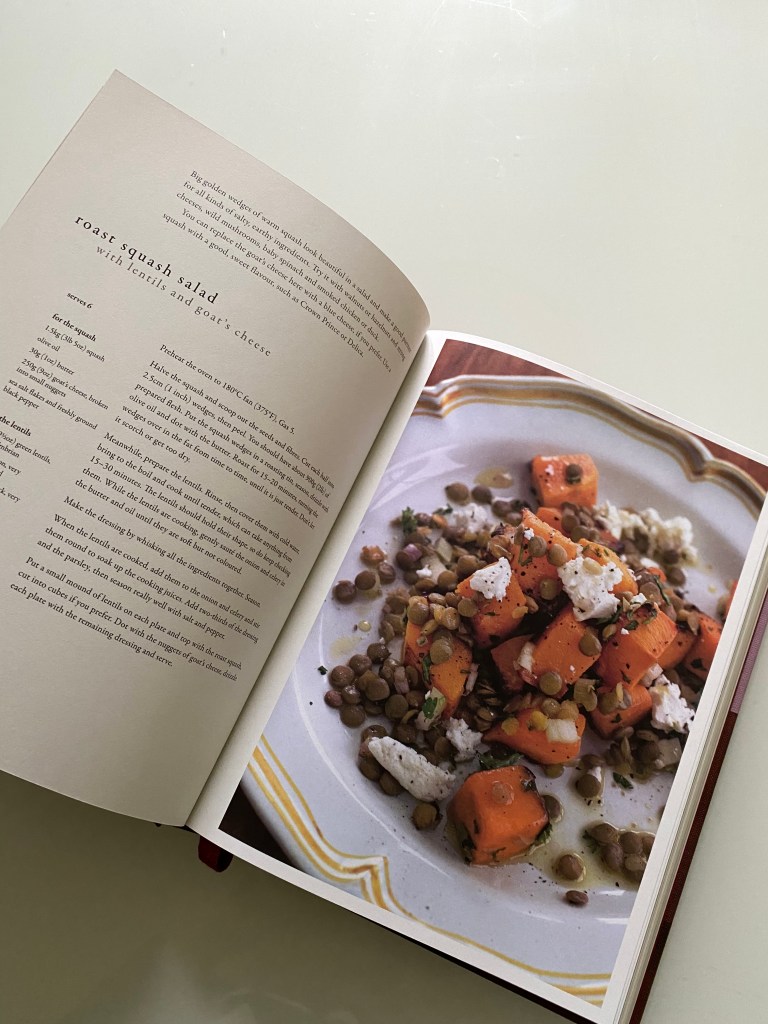
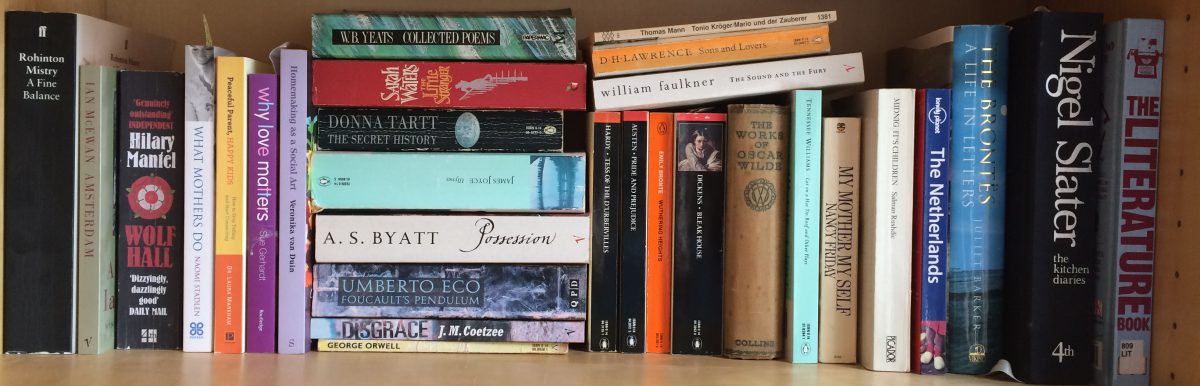
I also treated myself to a couple of books. I have been very restrained for a while now; my ‘off the shelf’ reading challenge of last year (which I’m continuing this year) made me browse my own bookcases and read titles that have been languishing unread for, in some cases, years! It’s hard to resist a sale, however, especially on your birthday, so I bought myself a cookery book I had been drooling over before Christmas, and The Wheel of the Year by Rebecca Beattie, both of which seemed to speak to where I am at right now.

Roast Figs, Sugar Snow: food to warm the soul is a beautiful book with the most sumptuous design and photography and the recipes inside make me want to spend days in the kitchen. My younger daughter and I have also been on a ‘gut health journey’ (her words!) since Christmas and this book certainly helps to resist the temptation to go for the easy junk food option and instead embrace winter’s treasures while still supporting our health and wellbeing.

The Wheel of the Year is an eight chapter book, with each stage of the year (approximately six week chunks, as indicated by the position of the stars, the weather and the cycle of nature) explored for its spiritual significance and what this means for us as humans in the world. The first chapter is Yule or Midwinter, and the second (the start date of which is 1 February, ie today!) is Imbolc or Candlemas – I’m already inspired by these beautiful words. Nature at this time is not dead, but simply resting, as I feel we should be, conserving our resources for the growth that will soon come. I already know this book is going to be my companion for the year.

January was going to be a ‘catching up’ time when it came to my reading. I’ve tried to bring a daily reading habit back into my life after a few months when I feel I didn’t read very much at all. I’m pleased with my progress, and have enjoyed it so much, though predictably I haven’t yet completed every book I’ve got ongoing. I’ll be posting reviews of all these in the next couple of weeks and giving myself until half term to completely refresh my Goodreads ‘currently reading’ profile. Trying to string January out just a little longer!

I love how winter exposes the structures of the trees – they are so beautiful. Here is a sunny winter’s day in Cambridge (left) and a rather duller day in Cheshire (right) where the deer at the National Trust’s Dunham Massey are oblivious to the paparazzi.

Enjoy the rest of winter, or summer if you are in the southern hemisphere. To winterers everywhere try and rest and rejuvenate as best you can.