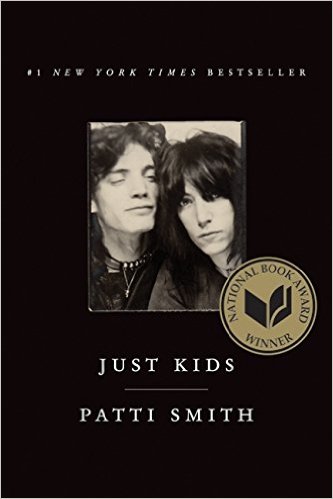
 I’ve been an admirer of Patti Smith for a number of years now. I’m a bit young to have been a fan of hers when she first broke onto the music scene in the mid-1970s. I became aware of her much later when I picked up a sale copy of her debut album Horses. I was also aware of Robert Mapplethorpe, the late artist-photographer who was her lover and then close friend when they were both very young. Mapplethorpe died of AIDS in 1989 and it must have been in the 1990s that I saw an exhibition of his work in London (I had an interest in photography at the time). Later on again I learned about the connection between the two and how Patti had been, if you like, Mapplethorpe’s ‘muse’ when he was first discovering his art.
I’d known about this book for a while, having heard Patti Smith talking about it in a radio interview, but I picked this up, ironically, in New York, when I was there on holiday last summer, from the famous Strand Bookstore. I’d hoped to read it whilst there (and perhaps visit some of the places she mentions in the book) but that didn’t happen. I decided to read it as part of my 2017 reading challenge; March’s challenge is to read something from my ‘to read’ pile, which, as I have written here recently, is substantial! And it has been a real pleasure to read.
The book is an account of her and Mapplethorpe’s early artistic development. They found each other by accident in New York City in the late 1960s when they had both arrived there in search of a more meaningful life. Their early life together was marked by poverty and the struggle to be recognised. In many ways their life was pretty ordinary, were it not for all the incredible people they meet and hang out with – Andy Warhol, Jimi Hendrix, William Burroughs – and if you are familiar with New York City, particularly the lower Manhattan and Greenwich Village areas, you will enjoy the mentions of different places, particularly the infamous Chelsea Hotel where many a star has risen and fallen.
But the book is so much more than that; it is an account of how artists find their voice and their medium, but it is also a love story. Patti writes tenderly and affectionately of her love for Mapplethorpe and the profound mutual respect that lay at the heart of their relationship. You don’t need to be admirers of them to appreciate this. It is also an account of how love changes; Mapplethorpe loved Patti deeply but he eventually came out as homosexual. He had been brought up a Roman Catholic and this was a long and difficult process for him. Patti later married a musician Fred Smith, and they lived a happy humdrum family life together in Michigan with their children until he died at the age of 45 in 1994. To that extent the book is also about what happens when love moves on, and how former lovers can evolve their relationship and grow as a result.
I thoroughly enjoyed reading this book, particularly the escape into bohemian New York in the 1970s. Some books you read of this nature can make you feel your own life is rather dull and insignificant, but at the centre of this book is not glamour and sensationalism, but the day to day human love that we all need and hopefully most of us experience at some point in our lives. To that extent it is a story we could all identify with.
 Regular visitors to this blog will know that I am passionate about children’s literature. My children are part of the generation that grew up with Harry Potter. JK Rowling is one of my heroes, for a number of reasons, but primarily for all that she has done to get (and keep) children reading, particularly those who might otherwise not have done so. Harry Potter wasn’t the first literary character to bring wizarding and magic into children’s literary lives, however. The Snow Spider was first published 30 years ago and was a multiple award winner. It was originally published as a trilogy, but this anniversary volume has been issued as a stand-alone. I chose it for the book club I run at my daughter’s primary school.
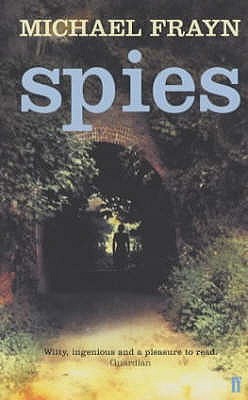 With Audible you get your first book free, so I downloaded Spies by Michael Frayn for my son, who is studying it at GCSE. I decided to listen to it myself as I had read the book when it first came out in 2002 and enjoyed it very much. It is a fantastic story and my listening experience was further enhanced by Martin Jarvis’s brilliant reading. The story is narrated by Stephen Wheatley, who, as an elderly man, revisits the suburban London cul-de-sac he lived in as a child during the Second World War. His neighbour and best friend at the time was Keith Hayward and together they spy on the households in the street and the comings and goings of the various residents. They grow increasingly suspicious about Keith’s mother’s frequent outings from the house and concoct an elaborate fantasy that she is in fact a German spy.
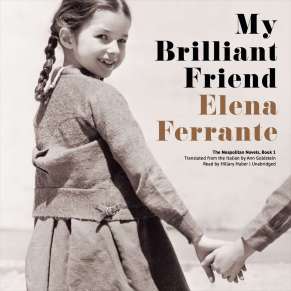 The first book I selected for myself was a long one (My Brilliant Friend by Elena Ferrante) so it took me a long time to get through (as a result I built up a few monthly credits). This book is the first in a series about two young women, Lila and Elena (I’m not sure if the book is in any sense autobiographical – the author is something of an enigma), and their intense relationship in their formative teenage years. Set in Naples in the 1950s it has the most remarkable sense of time and place and how life is changing for the young people of the city in terms of the shifting social structures and norms.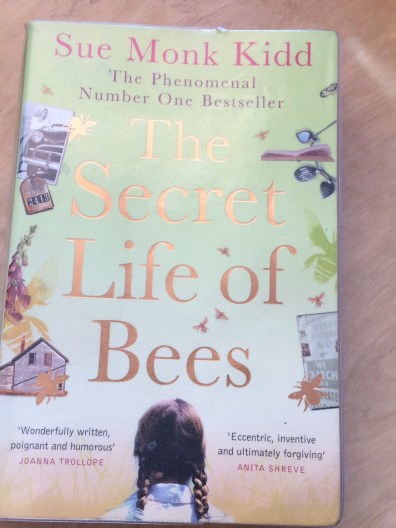
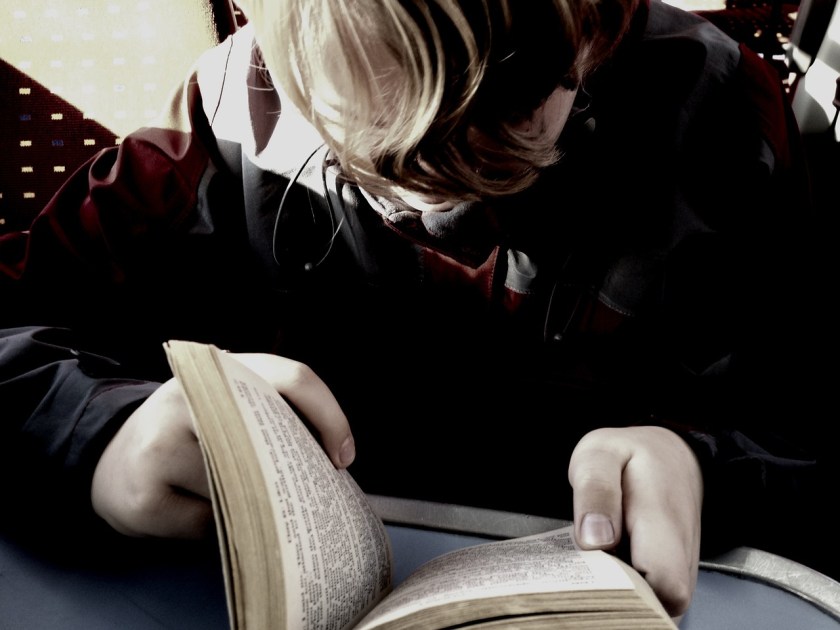 I posted a video on Facebook Live last week that got a lot of reaction. The subject was how to get your children reading and it really seemed to strike a chord. I relayed the story of my teenage son who announced to me a couple of years ago that he didn’t really like books anymore. I was, and this is not an over-statement, devastated. My son is the eldest of three and I think it is fair to say that he had the best of me! Those of you with children will perhaps empathise with my experience that I found I spent less time reading with my second and third child, simply because I had less time and opportunity to do so. My eldest was read to every day virtually from birth, until at least the age of nine or ten. And I didn’t read to them out of some sense of duty that I ought to be doing it (like taking them swimming which, as a non-swimmer until very recently, I always found stressful), it was the thing I most loved doing. So, where did I go wrong, I asked myself, and what more could I have done?


 So, the task for March on my
 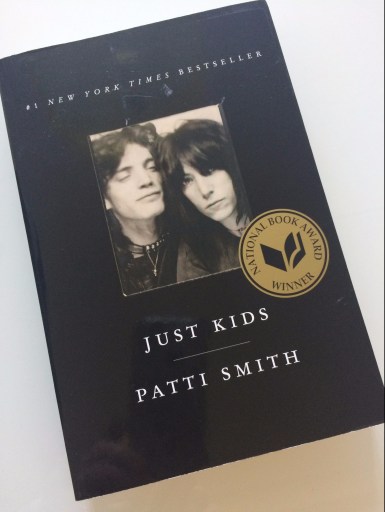 Patti Smith is a fascinating woman who has led a fascinating life. I have been meaning to read this book for years (it was published in 2010), so when I came across it in the Strand Bookshop whilst on my trip to, where else, New York last summer, it had to be bought! (It’s a very New York book.)
 Julia's books