Spring is here! Time for nature books

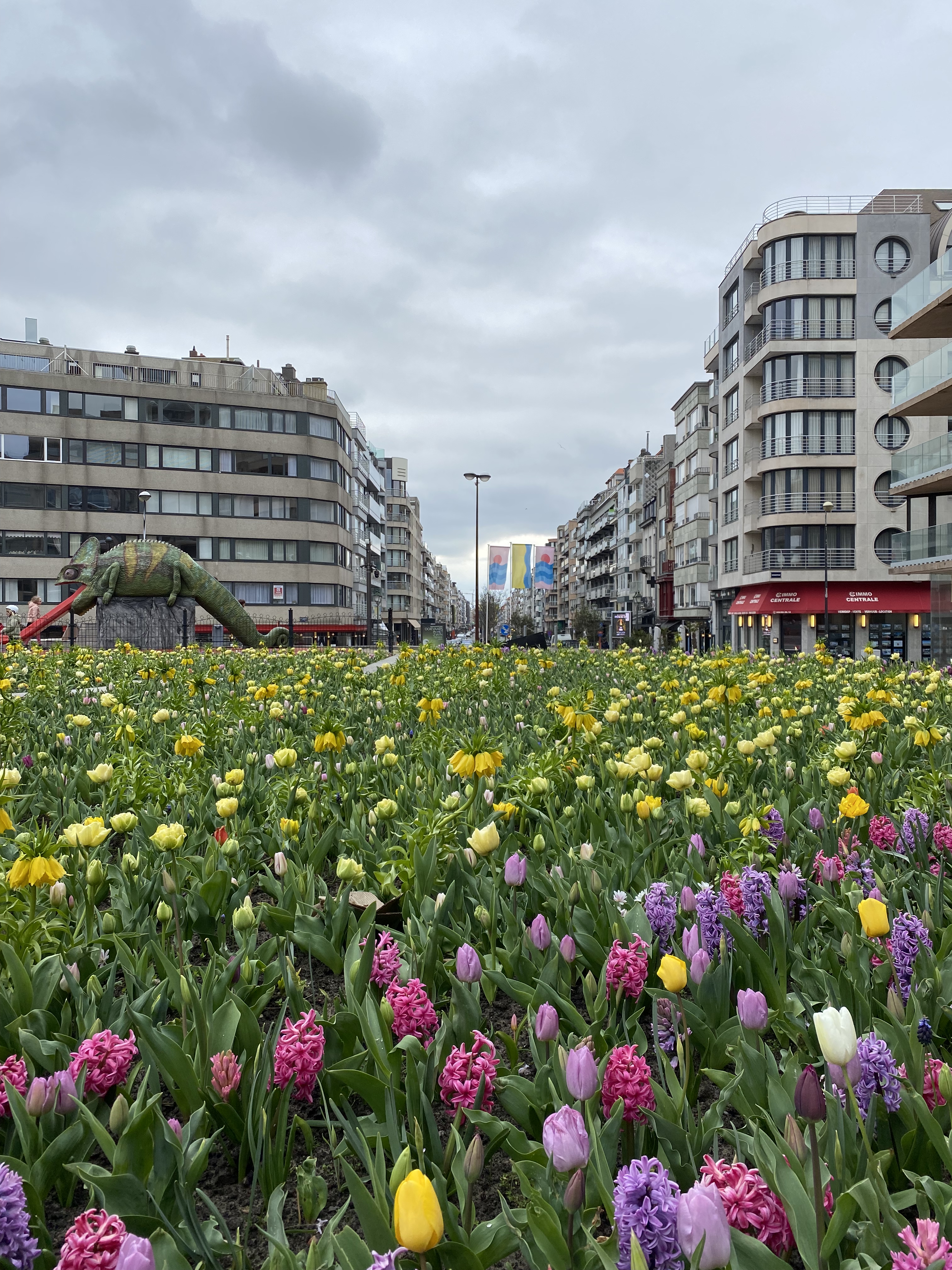
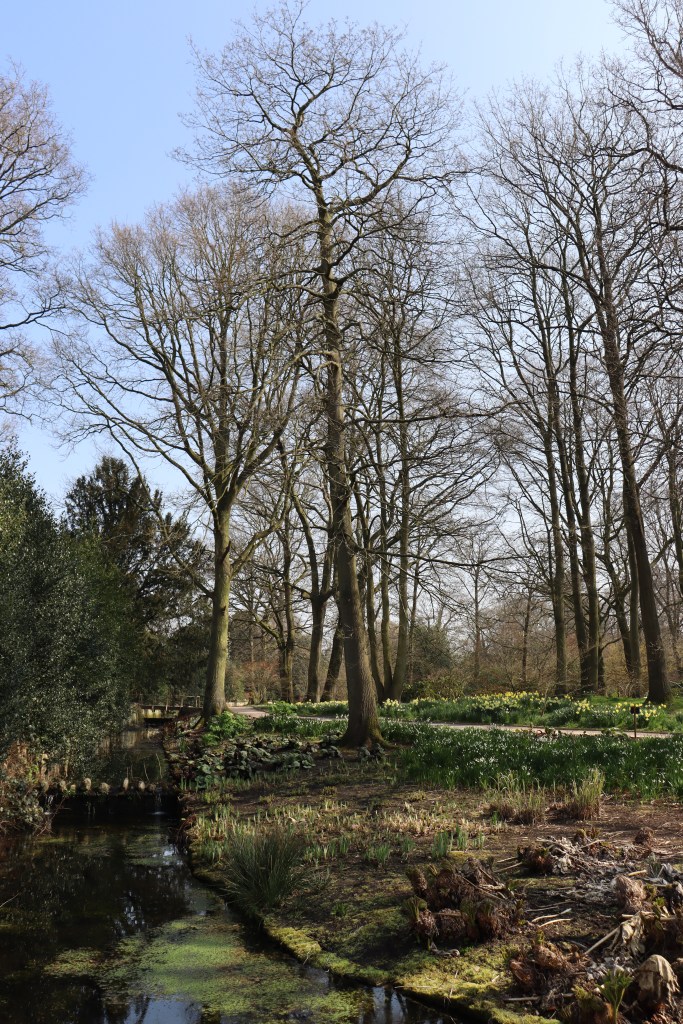
At last, spring seems to have arrived here in the north of England and it has felt like a long time coming. I love my garden but I could certainly not describe myself as a ‘keen’ gardener, nor have I a great knowledge about the subject. I like it to look nice though, and I like being in it. So, for the last few weeks, as the weather has got noticeably warmer and less damp, I have spent a lot of time in my garden, mainly cutting things back as it was already well-planted when we moved in and the shrubs just seem to grow and grow every year. I have barely touched the garden all winter, but as soon as buds start to appear on things, or spring blooms emerge, I am filled with a renewed gardening energy!

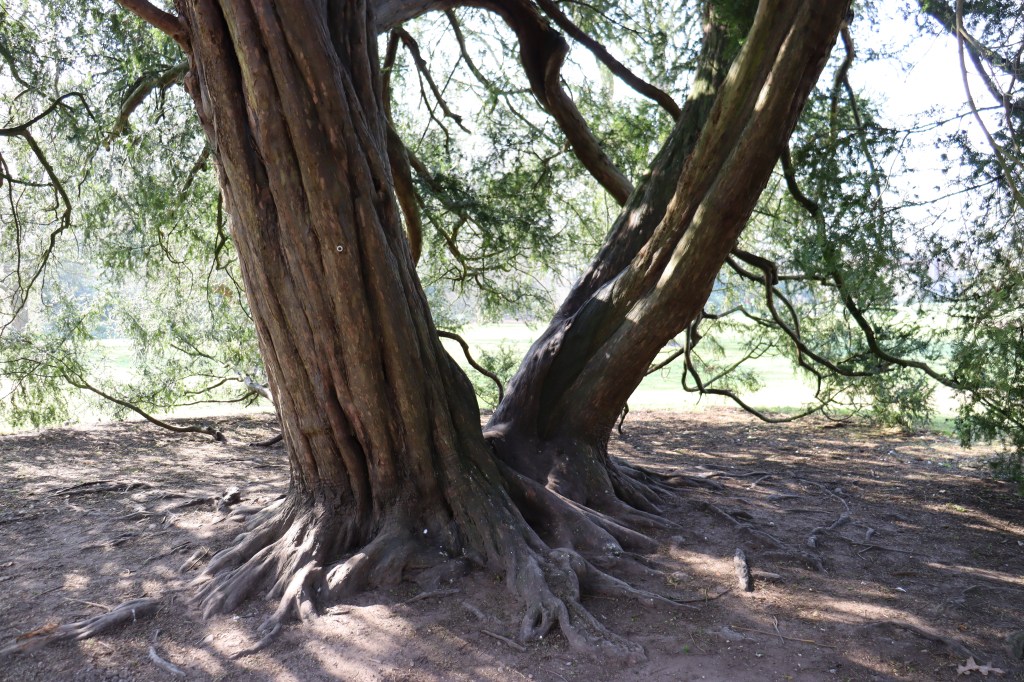
Nature more generally is rather different for me; I love being outside all year round and I find great beauty in bare trees in the winter months, when you can see the wonderful shapes and the intricate patterns of their branches more clearly. It can appear to some that everything is ‘dead’, but while much of it is indeed dormant, there is still a great deal going on if you care to look. Nevertheless, in the spring, so much of the work of nature is visible that it’s a good time of the year to think about nature books. I’ve picked out a few below, fiction and non-fiction, both classic and contemporary, that you might like to indulge in.

Classics on nature

Walden by Henry David Thoreau

I read this while at university for a module on American literature, and I’m afraid my 20 year-old self found it very boring! It is, however, a classic of the genre. Written in the 1840s, when the author was in his late 20s, it is his account of living in the wilderness (for two years), beside Walden pond in Massachussetts, observing the changes in the natural world around him and contemplating the virtues of the simple life versus a more materialistic one. I would like to come back to this book sometime soon, to see if I feel any differently about it!

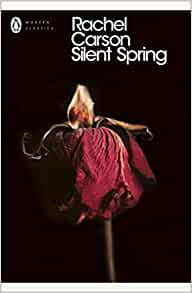
Silent Spring by Rachel Carson

This is a book I’d never heard of until fairly recently. It is now regarded as one of the early warnings on climate change. Carson was a research biologist and became increasingly concerned about the use of pesticides in particular, and how they then infiltrated the food chain, and more generally about the way man was exploiting nature in a way that would have disastrous long-term (although short and medium term, as it turns out) consequences.

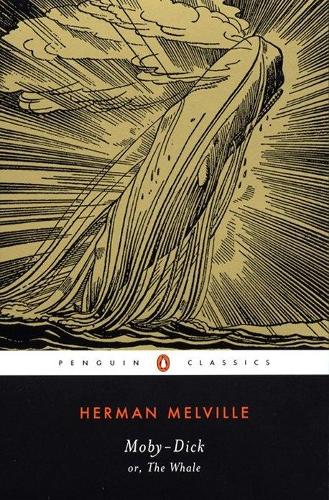
Moby Dick by Herman Melville

The classic man versus nature novel. The whale represents existential threat to man’s self-perceived mastery and throws its protagonist into psychological turmoil. Spoiler: the whale wins.

Nature in contemporary fiction

The Overstory by Richard Powers

Moby Dick is one of my all-time favourite classics, and The Overstory is one of the best books I have read in the last ten or more years. It will become a classic. The secret life of trees is explored in awesome detail, woven into a plot about climate activism and the lengths that some people will go to to save nature. It draws on the classics of nature writing as well as new research. Powerful and brilliantly written.

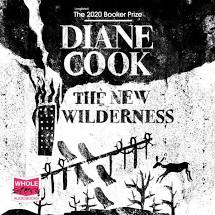
The New Wilderness by Diane Cook

Like Carson’s Silent Spring, this 2020 Booker Prize shortlisted novel envisions a future where humans have prevailed and pushed nature to a point where life as we know it cannot be sustained. Dystopian fiction at its finest and most frightening, because much of it feels very close and entirely possible. If this does not spur you to action then nothing will.

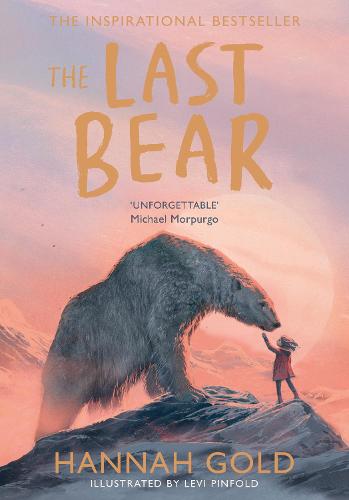
The Last Bear by Hannah Gold

I recommended this in a post a few weeks ago, when I was looking at books out for young people. This book was the overall winner of the Waterstones Children’s Book prize this year and is at the top of my TBR list. Unlike many of the other books mentioned in this post where the subject is man versus nature, Hannah Gold’s book explores the special empathy that children have with animals and nature. A force for good which should surely be harnessed.

Nature in contemporary non-fiction

H is for Hawk by Helen Macdonald

A brilliant book that has spawned a number of imitators. Published in 2014, it is a memoir of grief, but also a powerful evocation of the relationship between man and nature, again, this time in the form of a goshawk. The author’s father was a keen falconer and photographer who died suddenly. In an effort to reconnect with her memories of her father she acquires a young goshawk which she seeks to train. The landscapes she describes provide a perfect metaphor for grief.

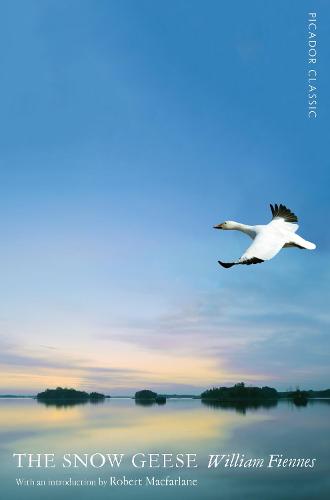
The Snow Geese by William Fiennes

A beautiful and brilliant book by an English author who observes and recounts the epic migratory journey of these magnificent birds from the southern United States to the Arctic. Not a book about man versus nature, rather one about what we can learn about ourselves and human nature by observing animals.

Wilding: the return of nature to a British farm by Isabella Tree

Published in 2019 to critical acclaim and hugely popular to boot, Wilding is an account filled with hope of one couple’s decision to surrender their uneconomic 3,500 acre farm in West Sussex to nature, by introducing free-roaming breeds of animals and ceasing to manage the environment. In a few short years an extraordinary natural balance was restored. I have this book but have not yet read it, but I did listed to an adaptation on the radio which was inspiring.

I hope you approve of my selection. I would love to hear your reading suggestions for this verdant time of the year.

Book progress

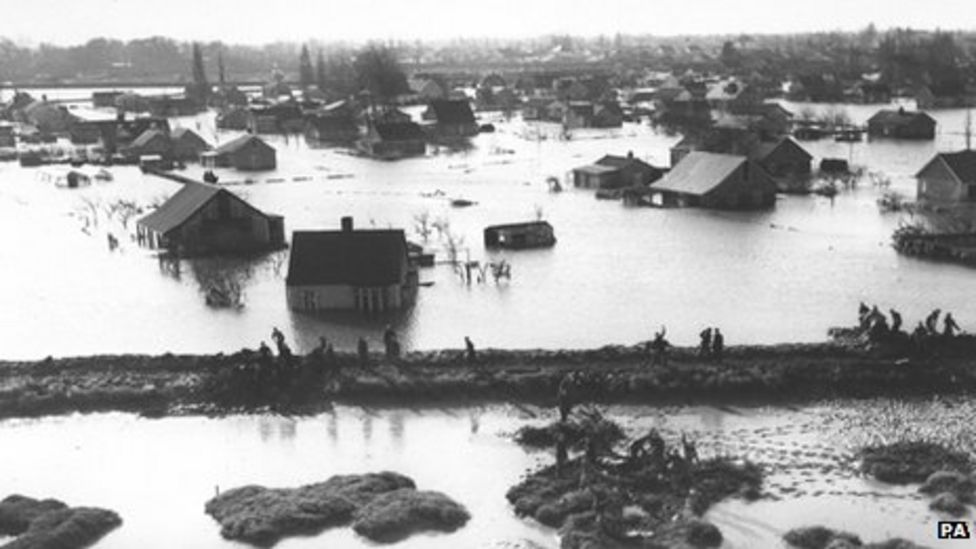
A few weeks ago, I posted on here about the terrible flood events of January 1953 that devastated parts of the east coast of England and the Netherlands. In England over 300 people lost their lives in one terrifying night and in the Netherlands the death toll exceeded 1,800. This event is rarely talked about in England and I am not sure why as events which have caused much less loss of life and less destruction and which also took place a generation or more ago, command much greater pubic attention. Perhaps it is the ‘no-fault’ nature of the disaster – it was a natural event, not caused by negligence, corruption or malicious intent, unlike say the bombing of the Pan Am aeroplane over Lockerbie in 1988 (270 deaths) or the Aberfan colliery disaster in 1966 (144 deaths). I do not wish to ‘rank’ these events in terms only of death toll – the Aberfan disaster killing as it did mostly schoolchildren is particularly horrific – but I am simply somewhat surprised that it seems to have slipped from memory.

The morning after – Canvey Island after the devastating floods on 31 January 1953

The loss of life associated with the 1953 storms could not be said to be entirely ‘no fault’. Enquiries found a woeful lack of a meaningful communication system, and the fact that the events took place over the weekend (meaning that officials were not working) certainly contributed to the death toll. Perhaps it was the proximity of these events to the second world war that has contributed in part to the amnesia; tens of thousands of civillians died in the war that had ended only eight years earlier. It is also likely that the lack of investment in maintaining civil defences both during and after the weather contributed to the ease with which flood barriers were breached.

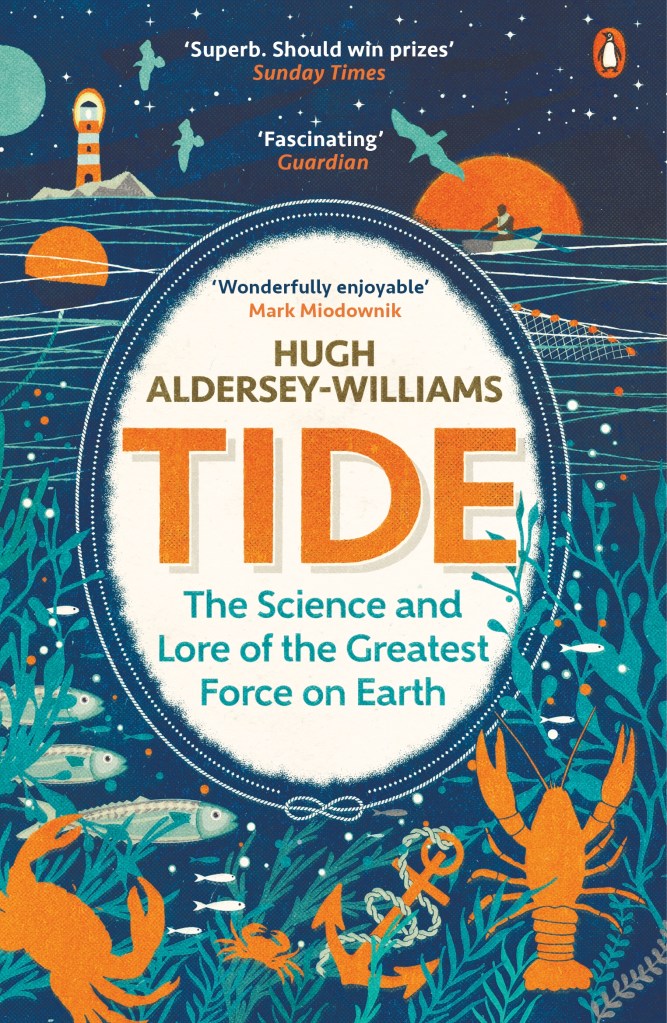
So, as you can see, I’ve been doing research! I’ve read pretty much all the main sources on the subject, and watched quite a lot of newsreel footage from the time. I’d like to tell you about one of the books I read, which had a section on the 1953 floods but which was about the tides more generally. Tide: The Science and Lore of the Greatest Force on Earth, written by Hugh Aldersley-Williams, a scholar of natural sciences, and published in 2017 is a brilliant read. I borrowed it from my local library, intending to read only the section relevant to my research, but I ended up working through the whole book, and thoroughly enjoyed it. The author is an intelligent and witty writer whose knowledge and authority on his subject is slightly concealed by his humour and deft use of language. It is scholarly work dressed up as an entertaining read, and there aren’t many serious works of non-fiction you can say that about.

The author looks at the link between the sea on earth and our moon, something I had never before understood fully. He also explores the cultural impact of the tides, particularly on nations like the United Kingdom which has such a long coastline relative to its size. Before clocks were invented, “measuring time” was meaningless. People lived their lives by natural phenomena such as the position of the sun, the phase of the moon, the behaviour of wildlife, and the ebb and flow of the tides. Clocks have largely inured us to these movements.

“The coast of the British Isles is one of the most tidally lubricated coasts anywhere in the world.”

Hugh Aldersley-Williams

Hugh Aldersley-Williams writes in detail about historical events that have been influenced by tidal flows, such as the cholera epidemic in London in the 1880s (construction of a sewerage system in the west end of the city meant that the tides of the Thames forced river water into the drinking water in the east of the city). The success of the D-Day landings in northern France in 1944 depended heavily on the accurate prediction of the tides. The author also travelled widely to investigate tidal phenomena all over the world and writes finally (and inevitably) about rising sea levels and the impact of the tides on low-lying coastal communities. Devastating flooding in Europe this last winter has given us a foretaste of this.

This book was an absolutely brilliant read and I recommend it highly.

Another book I read as part of my research and which I did not enjoy was Vulgar Things by Lee Rourke. I read it because it is set in Canvey Island, the location of my own book. However, I found that this book did not keep my interest – the plot was thin and the premise weak. I hope my own book portrays Canvey Island in a more positive light than Vulgar Things. I don’t like criticising books so I won’t say any more.

I recently attended an online writing class with Kate Mosse and Maggie O’Farrell. As writers of historical fiction they said that a book should wear its research thinly. We have all, I am sure, read books where the author is just dying to tell you everything they have found out about their topic! As a novice writer I need to be very careful about this. So, it’s the school Easter holidays and I am using this time to take a break between completing the research phase and beginning the writing phase of my book. Writing starts next week! I have cleared my diary for the next month or two and have high expectations of myself. There is danger to this of course; I could hit creative blocks, or plot problems, and will get myself in a panic about not hitting my daily word count! We will see.

Wish me luck!

Postcard from The Netherlands

We have been regular visitors to The Netherlands for twenty years now and have a small holiday home in the south of the country in the province of Zeeland. The southernmost part of the province (Zeeuws Vlanderen, or Zeelandic Flanders) is an area that has no land border with the rest of the country, being separated from it by the mighty Scheldt river, one of the primary waterways into the heart of Europe. When we first visited Zeeuws Vlanderen you reached it either by a very long detour via Antwerp in Belgium or a small car ferry between the ports of Vlissingen and Breskens. It made it feel remote. Then the opening of a 6km tunnel at the industrial town of Terneuzen transformed journey times and the economy of this part of the country. It has made Zeeuws Vlanderen more accessible and it certainly feels a little less remote these days. We tend to travel there via Calais in France, as it is less than 2 hours drive.

My daughters are both studying for exams this summer and we all needed a change of scene, so we decided to take a short break. The weather wasn’t great and the travel chaos was even less great, but it did us the world of good. This is such an under-rated part of Europe (the only visitors tend to be Dutch, Belgian or German), but for us it was like medicine for the soul!

Friday, 1 April

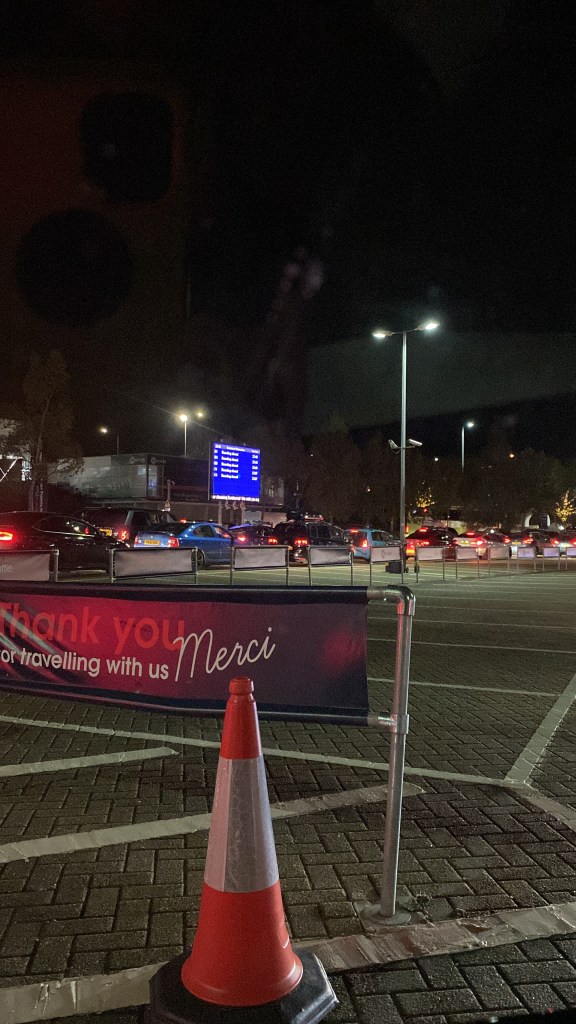
Bumper to bumper at the Eurotunnel!

We leave home straight after the end of school and drive to the Eurotunnel port at Folkestone, a journey of 275 miles. We make good progress, which stalls completely once we are diverted off the M20 (a section of which had been turned into a lorry park, under Operation Brock). The volume of traffic is such that the 2-3 mile journey from Eurotunnel motorway junction to the passenger terminal takes almost three hours! At least once we arrive in France, there is almost no traffic on the roads and we arrive at our destination in the early hours of the morning.

Saturday, 2 April

A long lie-in then a trip to the nearest supermarket in Breskens and a leisurely lunch, which must involve frites!

More vakantie apartements in Breskens

A stroll around this small town shows that since our last visit, more tourist developments have sprung up. I am happy to see this lovely place thriving, not least since it will benefit us, as we rent out our holiday home, but a part of me has mixed feelings; I’m not sure I want lots of tourists here!

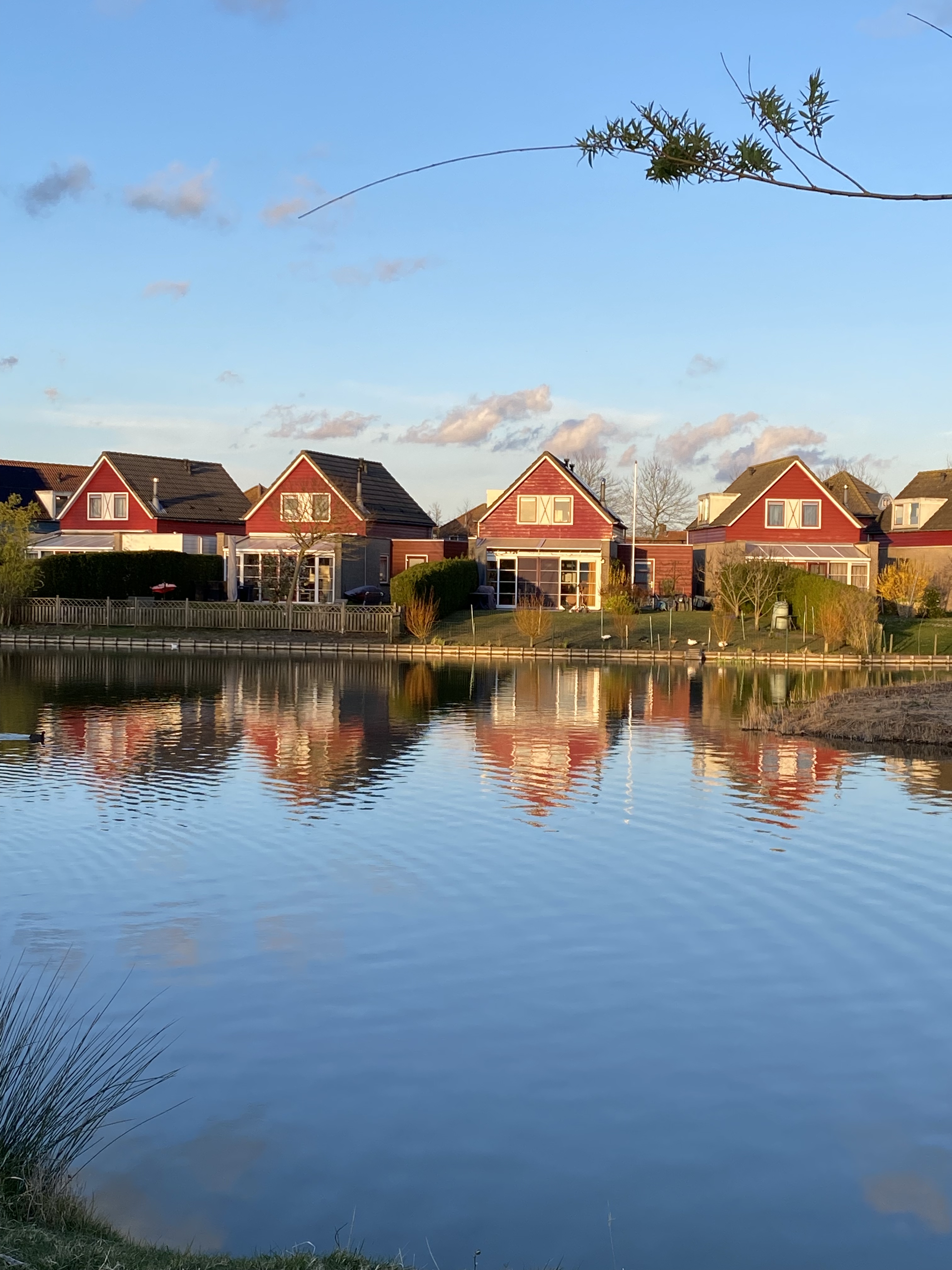
Some of the lake’s permanent residents pay us a visit!

The weather is cold, colder than I have ever experienced here in the spring, but we are just happy to be away…and enjoying the wildlife.

One of our favourite things to do here is to take an evening stroll on the dyke beside the village. The views are always rewarding.

Sunday, 3 April

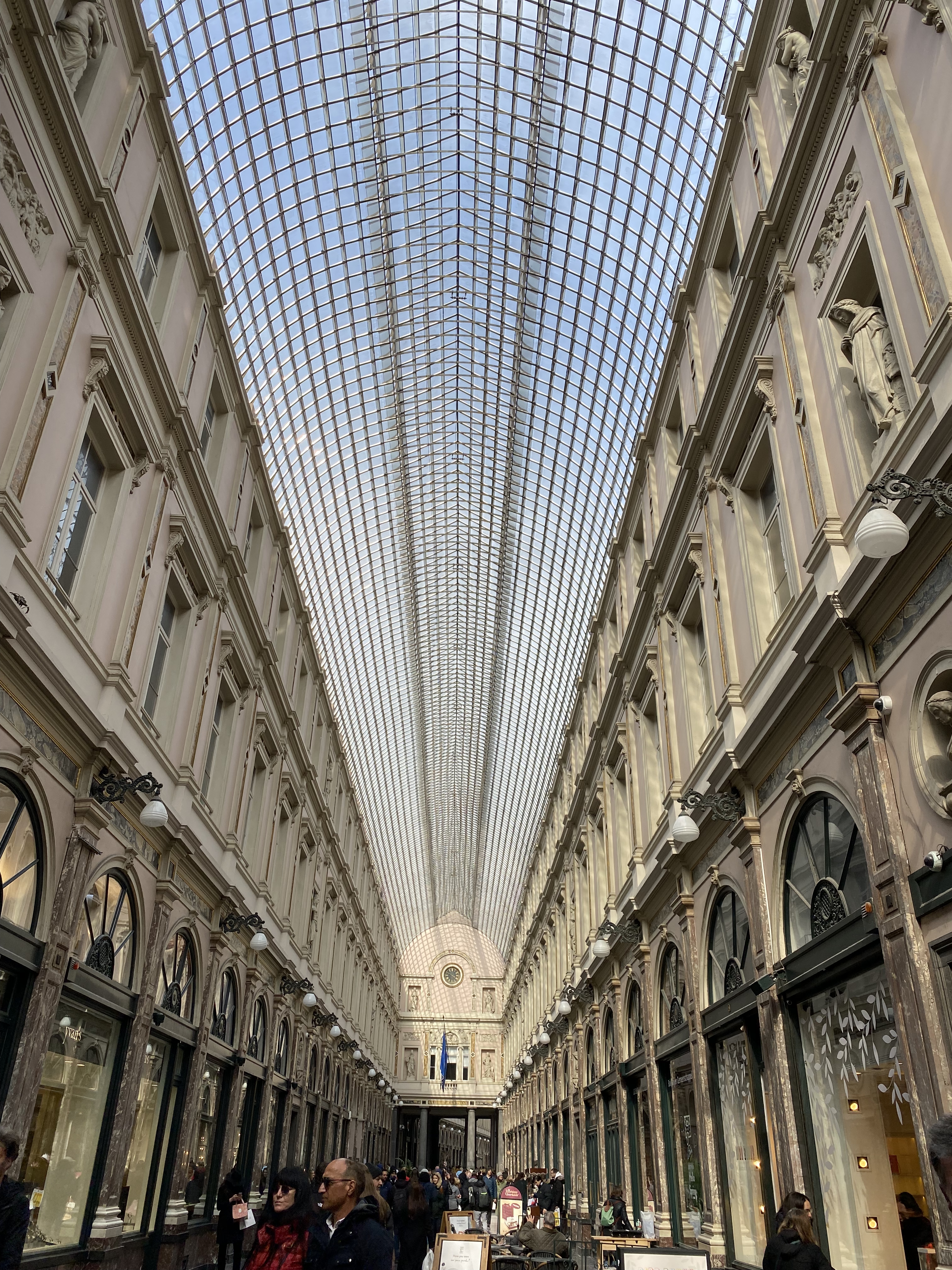
We take a trip to Brussels, to collect my husband from the airport, as he was unable to travel with us on Friday. It’s about 100km, or a 90 minute drive. I am nervous navigating the complicated ring road and finding city centre parking, but it is Sunday morning and therefore less busy. It is still cold, but it’s bright and sunny. Brussels is a beautiful city. It is also big. We stick to exploring the old town, which reminds me of Bruges minus the canals, and enjoy sipping coffee on pavement cafes, hearing clocks chiming the hour, wonderful shops, confectioners and more frites.

Monday, 4 April

No trip to Zeeland for us is complete without a day in Middelburg. This place is a hidden treasure – I’m almost afraid to mention it! This medieval town retains much of its traditional architecture and yet it has the atmosphere of an everyday working place. The quality of life here must be wonderful. My husband and I have often fantasised about renting a house here for a few months once our children have left home! There is a wonderful town square, with its spectacular town hall, edged by pavement cafes and restaurants, a museum, grand churches, picturesque canals and bridges, lovely shops, the best bookshop in southern Holland (De Drukkery), a student population and of course, coffee and frites! We often cycle here from our holiday home – we can bike to the ferry at Breskens and then cycle the 8km beside the canal, using the excellent Dutch cycle paths. But it is too cold and wet today, even for all but the hardiest of Dutch cyclists.

Tuesday, 5 April

The day begins with appelflappen from the village bakery. Then we decide to head to the smart Belgian coastal town of Knokke-Heist, an attractive seaside resort which seems to consist mainly of second homes. It is quiet on a Tuesday. Most of the residential buildings are apartments, weekend homes for a wealthy Brussels elite, most likely. There are many beautiful art galleries and expensive shops, most of which only open at weekends. It has a vast beach, much of which is taken up with beach huts and cafes and bars, and a wide and long promenade. Knokke is only 30 km from our house and we have visited it often over the years. One of our favourite things to do when the children were younger was to take the Kusttram which runs for 67 km along the coast from Knokke to De Panne. You can get on and off to explore the different towns and attractions en route. Today we stayed in Knokke and just strolled around, and sampled yet more frites and ice-cream.

Wednesday, 6 April

Our short break is over and it’s time to head home. The return journey is thankfully less eventful than the one getting here. We are astonished by the size of the queue of what appear to be thousands of lorries stranded on the M20, waiting to get into Dover. My heart goes out to those drivers, who have no facilities and only the food they will have brought with them.

I did not do much reading while I was away, it being primarily a family holiday with quite a bit more packed in than we had intended.

Book review – “Briefly Yours” by Cat English

A few months ago I read Erica Jong’s Fear of Flying and reviewed it on here. It was part of my 2021 reading challenge and for that month I’d set myself the challenge of reading some classic erotic fiction. The post must have got me noticed in certain quarters because shortly afterwards I was approached to participate in a book review tour. Now, this was my ‘first time’ so I agreed, rather excitedly! I may have been blogging for some time, but clearly there is a whole sector of book bloggers out there that I have never discovered before! They mostly inhabit Instagram and post short punchy reviews with lots of hashtags. (Note to self: must log into Insta again one day.)

Briefly Yours

Briefly Yours by Cat English is a non-fiction erotic memoir. ‘Cat’, her nom-de-plume and working pseudonym, is a call-girl, but she is no ordinary sex worker. It is very much a career choice which she has made in order to help fund her sister’s law degree and to support her passion, which is rescuing feral cats, feeding them, helping them to get well and arranging veterinary treatment, including neutering. Cat has worked in other sectors and in the book she takes time out from the sex work to try her hand at something more conventional, working in a department store. However, the lifestyle of the commuter and the bullying she is subjected to by her supervisor, are not worth the pitiful salary.

Cat’s life story is interwoven into her accounts of work at the parlour and many episodes of encounters with clients. She creates three separate worlds – the parlour, with the other women who work there, the clients and staff, a fun and credible cast of characters; her cat world, with all the feral creatures she names and cares for, with the help of her sister; and her family life, her mum, sister and brothers. She seems close to her family and they are aware of her lifestyle, even though she tries to keep it a secret generally from friends and neighbours. I would have liked to have had a little more sense of her sister’s gratitude – wow, what a sacrifice! Cat grew up on a council estate in the north west, so she is a down to earth girl who comes across as both deeply caring and pretty shrewd.

She deals with the issues around her sex work head-on. She invites the reader to set aside their prior assumptions and asks whether what she is doing is really any more exploitative than working for minimum wage in a dead-end job she hates. Whilst I was deeply uncomfortable with some of the issues she raised, it did open my eyes. It helps that she actually enjoys the work, both the sex and the customer service aspect (she meets people’s needs, and knows that she does it well). Some of the clients are ghastly, some are cruel and borderline violent (the set-up of the parlour brings with it a degree of protection), but Cat certainly feels like she has a degree of control. She has mixed feelings about the clients; some she really likes, others she has no respect for particularly if they have partners and children at home, but insisting their wives don’t understand them. There is a nice camaraderie in the parlour, but this is high-end, and therefore expensive. Even if you can accept prostitution at this level, one does wonder about the women who are doing it for much less, or to support a drug habit, or putting themselves at great risk on the streets. I found that quite difficult to get out of my head.

I suspect I am not the target audience for this book! I have to say though that I did enjoy it. It’s a light fun read. There is a lot of really bad erotic fiction out there, that is written for a certain kind of stimulation. I think this definitely better than most of the ‘written to a formula’ trash in that category. The sex scenes are very graphic (though not much more so than, say Luster or Queenie, even though those books would fall into a more literary category), but mostly they ring true. Cat writes well, actually, and with charm; she captures the array of clients really well and it feels authentic. I suspect she might not find the life of an author quite as lucrative as that of a call-girl, but I wish her well!

I was sent a complimentary advance copy of this book by Literally PR.

March in pictures

I missed out on this post last month – like much of the UK population I had Covid for the first time in February and so did not do very much or take many pictures!

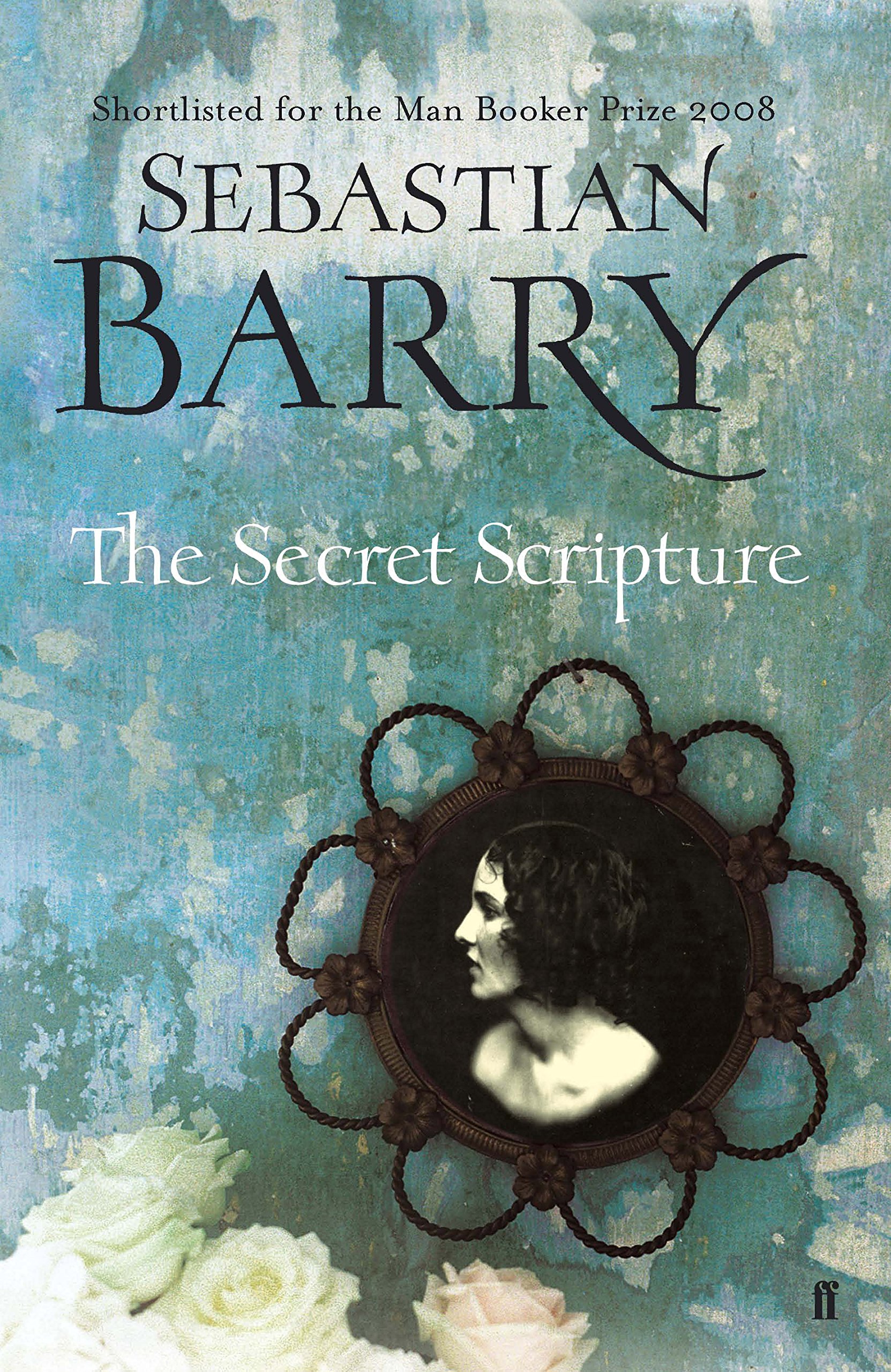
What I was reading in March:

Plus more research for my book:

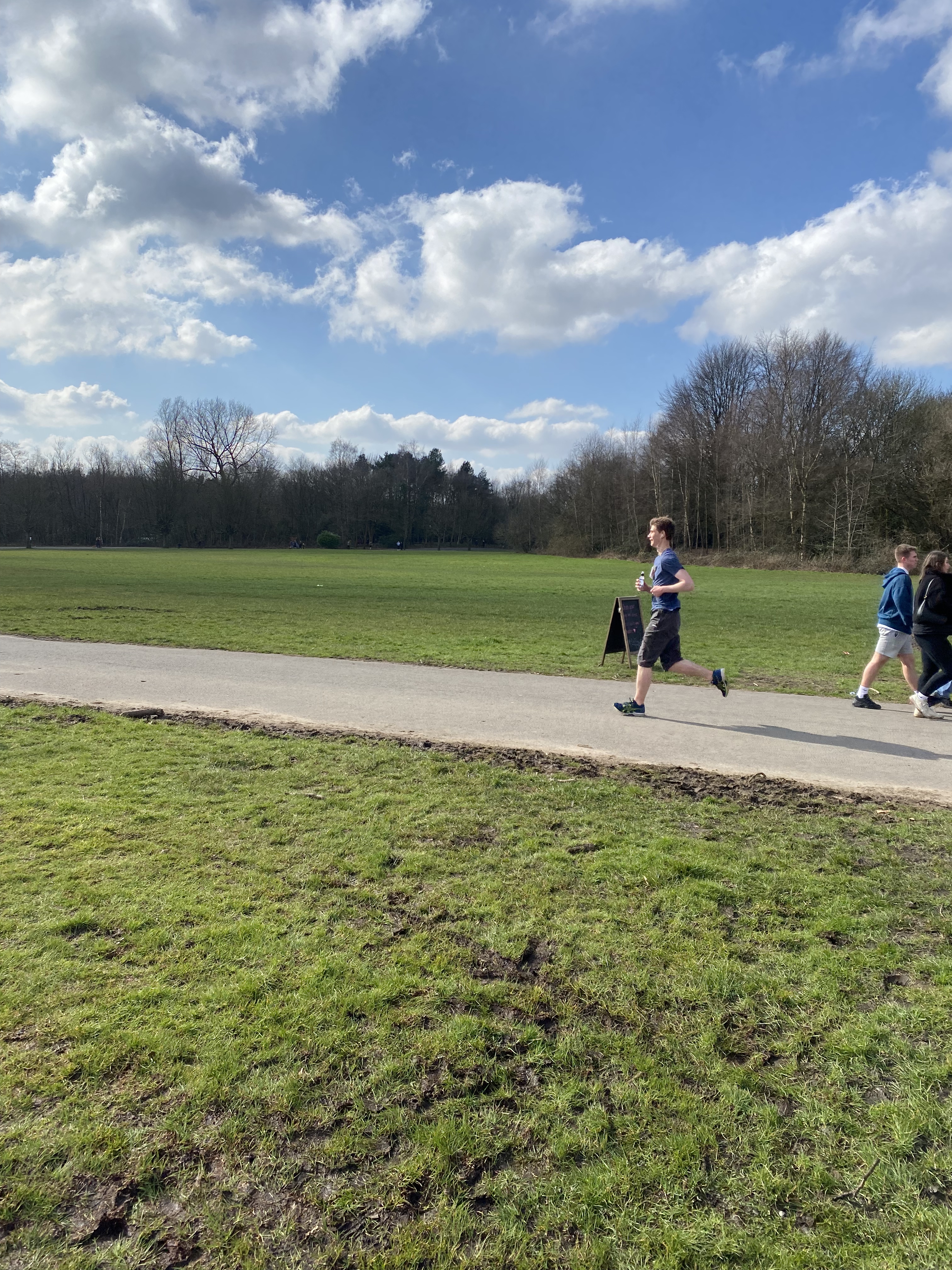
Sufficiently recovered from Covid to do the Heaton Park run with my son, but kept it to a 5k, while he completed his first half marathon!

And very happy to have a signed copy of Margaret Atwood’s latest!

Enjoying a bonus early spring warm spell at Dunham Massey, Cheshire.

Looking forward to April!

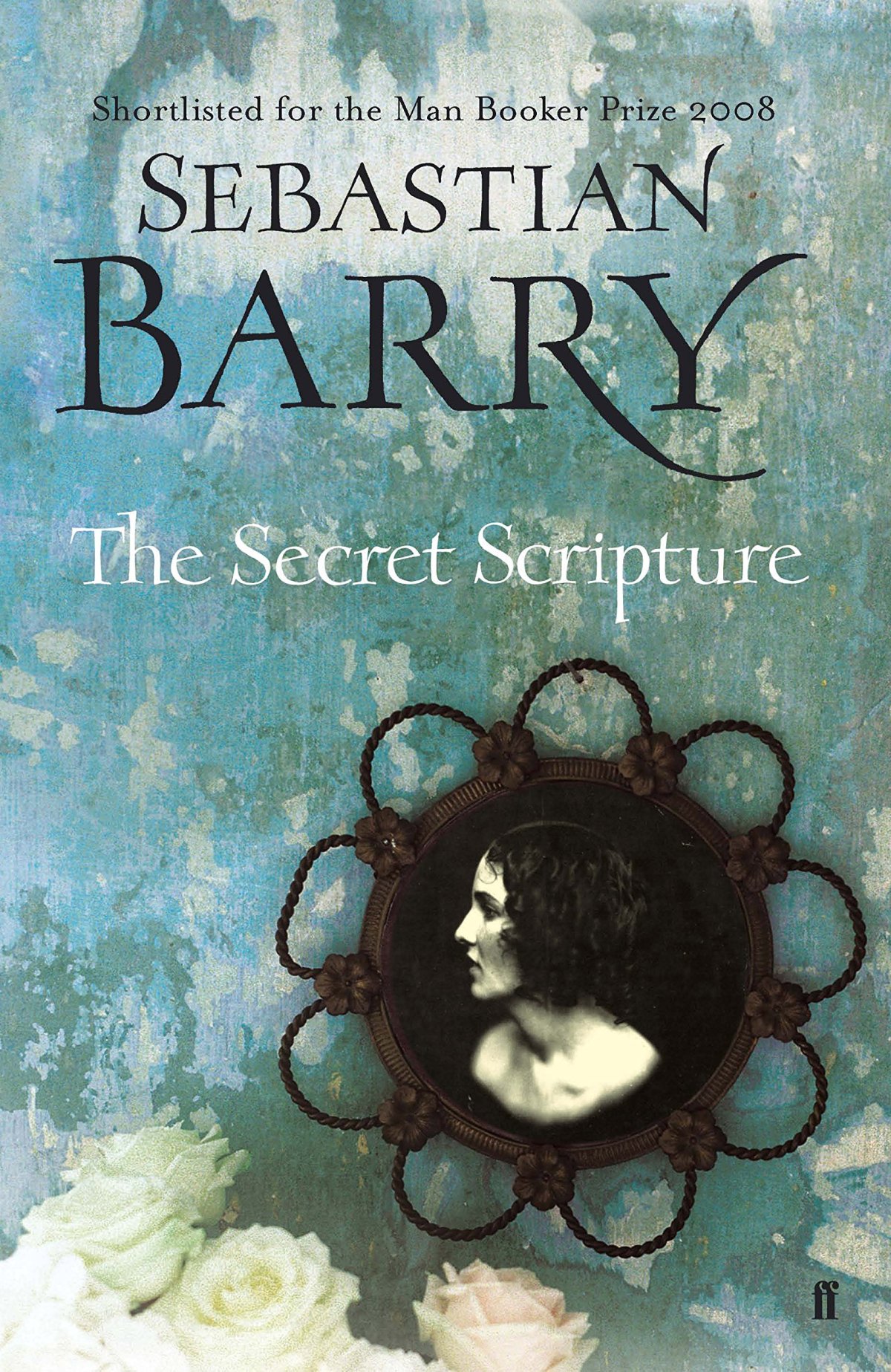
Book review – “The Secret Scripture” by Sebastian Barry

This is the third book I listened to in Sebastian Barry’s McNulty family trilogy. The first was The Whereabouts of Eneas McNulty, published in 1998, then I listened to The Temporary Gentleman, published in 2014, and then finally this book, which was published in 2008 and shortlisted for the then Man Booker Prize. I read them in the wrong order, but in doing so, arguably, I saved the best till last! The Secret Scripture is an astonishing and powerful piece of work, and provides answers to some of the unresolved questions raised in the other two books.

At the centre of the trilogy is the McNulty family and in particular the three brothers, Eneas, Tom and Jack. Eneas, as I have already posted about in my review of the first book in the trilogy, is something of a black sheep in that he is largely exiled from the family, in America, Africa and finally England, because of his job as a policeman which gets him into trouble with the republican Sligo underworld. The Temporary Gentleman concerns Jack, the golden child of the family, with a degree in engineering and a respectable marriage to the daughter of a doctor. However, this book reveals the lie about his life, hinted at in The Whereabouts of Eneas McNulty, his alcoholism and gambling and the problems in his marriage. The third son, Tom, who becomes a local councillor, is married to Roseanne, who is the subject of The Secret Scripture and who appears in both the other novels. Having come to The Secret Scripture last I feel now that this trilogy is as much about Roseanne as it is about the McNulty family, because their relationships with her tell us almost more about them than their own lives.

When the book opens we meet Roseanne, a woman in her 90s, perhaps even 100, a long-term resident of a mental hospital that is about to be demolished. Her psychiatrist, Dr William Grene, must assess her and determine whether she is able to be discharged into the community. There is a recognition that many of the residents of such institutions were committed for social as much as mental health reasons. Dr Grene sets about trying to establish why Roseanne, who has been a patient at the hospital for around half a century, was admitted. The story is told from the parallel perspectives of Roseanne, who writes her own story in secret, and Dr Grene who records his notes and observations in a day book. These become a kind of confessional for both of them.

What we know about Roseanne is that she was very beautiful and therefore treated with suspicion, considered almost a temptation to sin, and therefore a sinner herself. To make matters worse, she is a Protestant. As a child she idolises her father and spends a great deal of time with him at his place of work – his job is as caretaker of a cemetery, a role he takes very seriously. However, after a tangle with local gangsters, active in the political strife that beset Ireland in the 1920s and 1930s, he is served the humiliation of losing his position and being redeployed as a rat-catcher. He maintains his dignity, however, and is conscientious, but the family’s fortunes decline thereafter. Roseanne’s mother is committed to an institution and her father dies. The local priest arranges a marriage to Tom McNulty, and he truly loves her, but she is never accepted by his parents, the elder Mrs McNulty in particular.

Roseanne is ill-treated by them all, except Eneas. After being spotted in a mis-judged but innocent meeting with another townsman on a mountain walk, she is exiled as an adulteress. This is largely an excuse for the family to be rid of her. Her marriage is annulled and she is forced to live in a hut outside the town. Tom marries again and it is as if Roseanne never existed. She is maintained at subsistence level, but no more. Her fate is sealed when she becomes pregnant and gives birth to a child alone on the strand with the tide coming in. She collapses unconscious after the delivery and awakes to find herself being taken away by ambulance, and no sign of her baby.

Events unfold rapidly in the final third of the book. Connections are made with Eneas and with Jack, and the family’s stories become knitted together. It is a slow build, however, up to this point. What the author is doing very skilfully, is building the picture of this woman, of her relationship with Dr Grene, who provides us with a perspective on her and the treatment she received at the hands of the McNulty family and the Sligo community more generally. Roseanne is a marginal figure in the other two books, but a figure, a mystery, nonetheless. The Secret Scripture gives us answers to questions the reader might have had whilst also exposing the dysfunctional relationship between religion and society that bedevils Ireland’s modern history.

A film adaptation of The Secret Scripture was released in 2016, starring Vanessa Redgrave and Rooney Mara, though the story differs in some important respects.

This novel has been Barry’s most successful to date, winning the Costa Book of the Year in 2008 (his novel Days Without End won in 2017, making him the first double-winner) and the James Tait Black Memorial Prize the same year. Apparently, however, some have found the ending of the book flawed and unpalatable. I disagree wholeheartedly! I do not wish to reveal any spoilers, so I will only say that I found it extraordinary. I can see how some might find it a plot twist too far, but from a reader’s perspective it is heart-stopping and I loved it.

I am on a real roll with Sebastian Barry at the moment; having only discovered his work in 2017 when I read Days Without End, I cannot now get enough of him – there is the Dunne Family trilogy to savour next.

The Secret Scripture is a brilliant and powerful book and I recommend it highly.

The Oscars 2022 – films based on books

The annual Oscars ceremony takes place this weekend – Sunday evening Los Angeles time, or the early hours of Monday morning BST. I will not be staying up to watch although it’s hard not to want to look at all the outfits on display on the red carpet! I am always curious about the fate of those films based on books, usually the ‘Best Adapted Screenplay’ category, although often a film that started out as a book makes it to the main ‘Best Picture’ category. This is especially the case this year, where four of the five nominees are also up for the big prize. There is only one big name book, however, in the ‘Best Adapted Screenplay’ category, and that is Dune, itself a remake of the 1984 film.

So here is my round-up of the ‘films based on books’ that have been nominated for awards this year.

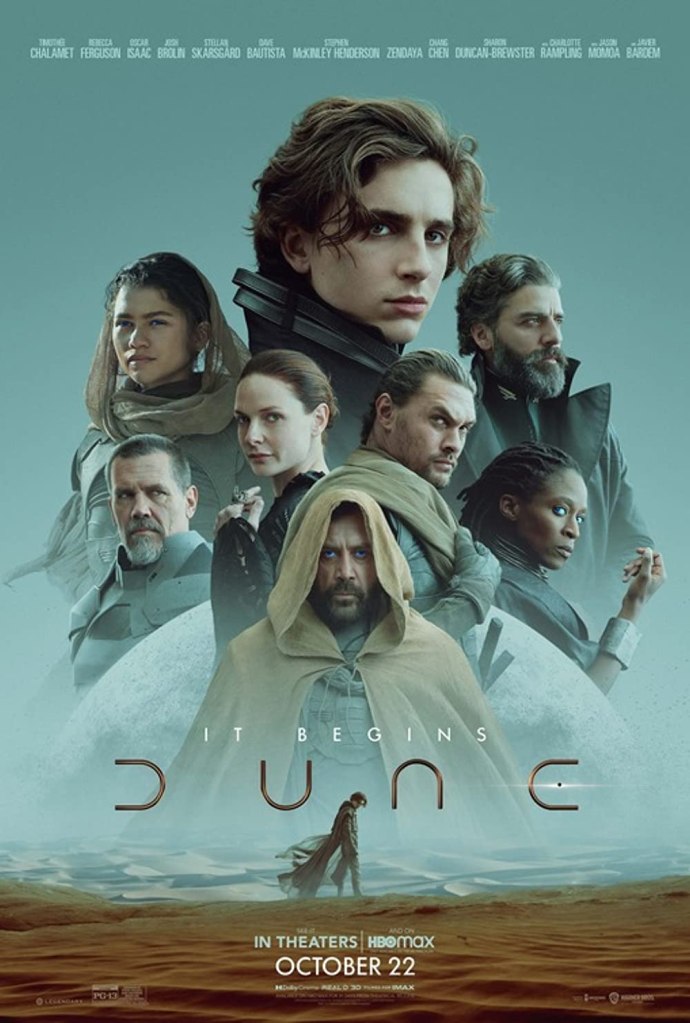
Dune (based on the novel of the same name by Frank Herbert)

Herbert’s 1965 epic science fiction novel has become a classic of the genre. Set in some future time, society has regressed to a near-feudal set-up, where various factions control different regions and planets. A valuable commodity, ‘Spice’, is controlled by one family, but is necessary for all, not least to facilitate interstellar travel. Dealing with themes of religious factionalism, political intrigue as well as the environment, the parallels with the 20th/21st century world are obvious. The book is the first instalment of the Dune saga. A film was made by David Lynch in 1984 with mixed results (I had forgotten that it starred Sting). This 2021 version, with its stellar cast (including Timothee Chalemet, Zendaya, and Javier Bardem) and $165m budget, seems to have been more successful.

The Power of the Dog (based on a novel of the same name by Thomas Savage)

Thomas Savage wrote his novel in 1967 about two brothers, George and Phil Burbank, who take over the running of the family ranch in Montana. They have very different personalities, and ambitions and the tension between them reaches a climax when George brings home a wife and her teenage son. The novel gained greater attention when it was republished in 2001, Annie Proulx regarding it as a work of art. Director Jane Campion received a copy of the novel and decided to adapt it. It stars Benedict Cumberbatch, Kirsten Dunst, Jesse Plemons and newcomer Kodi Smit-McPhee.

Drive My Car (based on a short story of the same name by Haruki Murakami)

If Dune is based on the biggest book, Drive My Car is probably drawing on the biggest-name author, multi-award winning Haruki Murakami, writer of such classics as Norwegian Wood and 1Q84. This Japanese production is also up for ‘Best International Feature’ and, the big one, ‘Best Picture’. The film is a road-movie centred on a newly-widowed film director attempting to direct a production of Uncle Vanya in Hiroshima, while grappling with personal grief. It’s based on a short story from Marukami’s collection entitled Men Without Women.

The Lost Daughter (based on the novel of the same name by Elena Ferrante)

Another big name author, and one of my favourites, this psychological drama centres on the relationship between two women, a middle-aged academic, Leda (Olivia Colman) and a young mother, Nina (Dakota Johnson). The two women meet on a beach in Greece when Nina’s young daughter Elena, briefly goes missing and is found by Leda. The meeting causes Leda to reflect on her own struggles mothering her two daughters. This film also has an all-star cast; in addition to Colman and Johnson it includes Paul Mescal (of Normal People renown) and Jessie Buckley.

Of the above, I have seen only The Power of the Dog and The Lost Daughter, both of which are available on Netflix. I absolutely loved both! I’m not a huge fan of sci-fi so I probably won’t watch Dune, although my daughters both loved it (they are teenagers and big fans of Chalemet!) Drive My Car is most definitely on my To Be Watched list. They would all be on my TBR list, I think – I’d even challenge myself with Dune.

So, let’s see which one wins!

Book review – “Where the Crawdads Sing” by Delia Owens

This book has been a phenomenal success since its publication in 2018 and has spent most of that time on various best-seller lists. A film is now in production starring Daisy Edgar-Jones (who played Marianne, to great acclaim, in the television adaptation of Sally Rooney’s Normal People) and I am reliably informed by a young person that Taylor Swift has written a song for it! I approached it with some trepidation – I don’t normally go for best-sellers and I feared this might be over-hyped and overly sentimental. I could not have been more wrong and my book club decided this might be one of the best books we had ever read.

Delia Owens
Delia Owens is better known as a conservationist than an author. Crawdads was her debut novel, published when she was 69.

The novel covers events in the period 1952 to 1970 and the central character is Kya (short for Catherine) Clark, known to the local rural community of Barkley Cove as “the swamp girl”. The North Carolina setting of the novel is crucial because Kya becomes an integral part of it. And the setting is brilliantly and powerfully evoked by the author.

The novel is told on two timelines. It opens in 1969 with the discovery of a body in an old tower beside the swamp. The victim is Chase Andrews, a local man, the sporting pride of Barkley Cove, suave, confident and outgoing, he is married but has a reputation as something of a playboy. The local police begin their investigation. The novel then reverts to 1952 where six year-old Kya, the fifth and youngest child of a ‘swamp’ family (one which lives in a rundown house beside the swamp, where their income is precarious and their reputation as outsiders separates them from the mainstream Barkley Cove community) watches her fragile mother walking down the dirt track away from their home, leaving the family for good. Kya’s father is a feckless, violent drunk and Kya’s older siblings gradually leave the home too, unable to bear his aggressive dominance. This leaves Kya on her own with her father. At times they are able to live relatively agreeably together – he sometimes gives her money from his war pension (the family’s only income) and she is able to purchase supplies from the town – but mostly, he disappears, sometimes for days at a time, and Kya is forced to learn to fend for herself. Eventually he disappears altogether. Kya manages to evade the local authorities who try and get her to attend school; they give up eventually too. Kya grows up alone developing an intimate knowledge of the natural world of the swamp, living in harmony with it.

Kya avoids everyone in the town, she has learned to stay under the radar of both the authorities and the two gossips, to whom she is a mystery, to be treated with suspicion and disdain, but she makes three friends: Jumpin’, and his wife Mabel, the proprietor of the swamp-side general store where she must go to replenish her basic supplies, and childhood playmate Tate Walker. When the young child Kya starts to visit his store alone, Jumpin’ quickly realises that she is living alone and he and his wife support and protect her discreetly as best they can; as “coloreds” they are themselves marginalised. Tate Walker was friends with Kya from a very young age when they played together, and is well aware of her father’s violent tendencies. His mother died, a loss which binds them, and he lives alone with his father. When Kya’s father vanishes they renew their acquaintance and their relationship deepens. They eventually become “lovers” of a kind, though avoid intercourse. Tate receives the education Kya is denied and is ambitious to go to college and study natural science. He promises that he will visit Kya during the vacations, but on his first visit home he spots Kya from a distance on the beach near her hut and realises that she is almost a wild creature (that is indeed part of what he loves about her) and that she will never be able to fit into the new academic world he now inhabits. Tate leaves Kya without saying goodbye or explaining.

In her deep grief at being abandoned once again Kya falls into a relationship with Chase Andrews. He seduces her and the two begin a secret affair. Chase tells Kya that he will marry her, though he never introduces her to his family. On a visit to Barkley Cove Kya sees an announcement in the local newspaper that Chase is engaged to be married.

Kya’s progress, from small child learning to live by her wits to beautiful young woman living alone on the swamp, fending for herself, is told alongside the story of the police investigation into Chase Andrews’s murder. Inevitably, the twin stories collide when Kya is accused by Chase’s mother and charged with the murder. The account of the trial is told in gripping detail in a way that is reminiscent of To Kill a Mockingbird. No spoilers here, however, as it will have you on the edge of your seat!

I listened to this on audio and it was read brilliantly by Cassandra Campbell, the same actress who read Maggie Shipstead’s Great Circle so powerfully. If you’ve read the hype about this book then believe it! I cried several times throughout – there are so many big moments in it. The plotting is extremely clever. The characters are all strong, fully thought through and well-rounded. But what makes this book so brilliant, and what for me makes it great, is that it is just a cracking good story!

Highly recommended.

St Patrick’s Day

Happy St Patrick’s Day to all my Irish family, friends, acquaintances and fellow bloggers. Ireland is a country very close to my heart since my husband is from Dublin and my children are proudly half-Irish. I have spent very many happy times in Ireland in the last twenty-something years, and sadly not nearly enough time there in the last two.

I know that not every Irish person is a huge fan of ‘Paddy’s Day’ even though the diaspora celebrates it with great vigour. It’s true that the imagery associated with it can harden a false impression about the country and what it means to be Irish, that it’s all about the ‘craic’. Indeed it is not. Ireland and the Irish are thoughtful, deeply emotional, and phenomenally creative people. It’s not for nothing that the nation punches well above its weight internationally.

So, for my post today, in a celebration of all things Irish, I’m picking out a few of my favourite Irish books and authors.

Highlights from my recent reading:

Days Without End

Days Without End by Sebastian Barry

This vivid and powerful account of an Irish emigrant participating in the Amercian Civil War and finding forbidden love is one of my all-time favourite books and began my love affair with the writing of Sebastian Barry.

Holding

Holding by Graham Norton

One of my favourite television and radio personalities, Graham Norton proved himself an accomplished author too with this his first novel, which has also now been adapted for television.

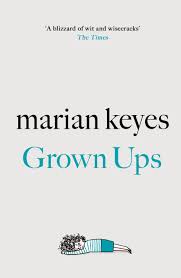
Grown Ups

Grown Ups by Marian Keyes

Marian Keyes might well have attained the status of “national treasure” in Ireland at this stage. This was the first book of hers that I read and I intend to read more. Loved it.

The Wonder

The Wonder by Emma Donoghue

Donoghue hit the big time with her book Room, which was made into an Oscar-winning film starring Brie Larson, but for me The Wonder, published in 2016, is better. It explores the place of myth and its confused relationship with religion in Ireland. Powerful and beautiful.

The Glorious Heresies

The Glorious Heresies by Lisa McInerney

Gangs, drugs, violence, love, this book has it all. Winner of the Baileys Prize (now the Women’s Prize) in 2016, it explores the dark underbelly of the city of Cork in a post-Celtic Tiger Ireland. Not an easy read, but beautifully and confidently written, with dark humour and love at its heart.

And now for some classics…

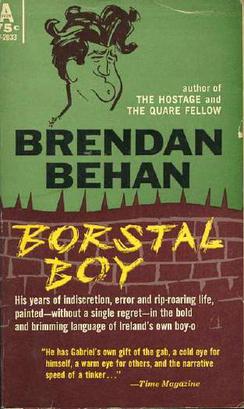
An education in literature in English would be incomplete without the above. Ulysses changed the world of fiction forever, perhaps even the world. Yeats, for me, evokes all that is Ireland and his life story is so emblematic. O’Casey’s play is a history lesson. Behan and Wilde are authors who embody some of our notions of human suffering.

So, today I will be raising a glass of Guinness to Ireland and in particular to its extraordinary literary heritage.

Sláinte!

#International Women’s Day

9 amazing books for this very special day.

Chimamanda Ngoze Adichie – We Should All Be Feminists

Naomi Alderman – The Power

Maya Angelou – I Know Why the Caged Bird Sings

Clarissa Pinkola Estes – Women Who Run with Wolves

Bernardine Evaristo – Girl, Woman, Other

Fiona Mozley – Hot Stew

Michelle Obama – Becoming

Lola Shoneyin – The Secret Lives of Baba Segi’s Wives

Tara Westover – Educated