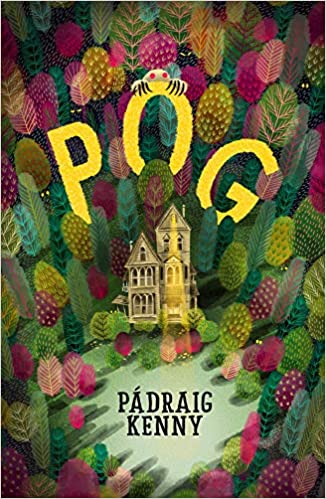
Time for my second book review of my #KeepKidsReading week and I would like to tell you about Pog, the second novel from children’s author Pádraig Kenny, published in 2019 by Chicken House. It bears similarities to Kenny’s first novel for children Tin, which I loved, with powerful elements of fantasy, a fight between good and evil, and strong characters which young readers will be able to identify with.
Pog is the name of a furry talking creature who lives in the attic of an old house in the woods. David and Penny and their father move into the house after the death of the children’s mother in an accident; the house had belonged to her grandparents and she spent a lot of time there as a child. The children’s father has brought them to live there as a way of perhaps reconnecting with the mother they have lost.
Pog seems like quite an ancient creature whose role is as something of a protector, not just of the inhabitants of the house, but as guard of ‘the Necessary’, an access point between the civillised world and the dark underworld, out of which destructive and terrifying forces can emerge. Pog has also known loss and tells of his ‘Grandfa’ who went before him and from whom he seems to have inherited his present responsibilities.
David and Penny discover Pog’s existence soon after moving into the house, and quickly become his friends and allies. It soon becomes apparent that creatures from the underworld are threatening the stability of Penny and David’s world. In one battle that takes place in the sitting room of the house, Pog and the children confront a swarm of ‘bloodworms’ that attack and attempt to destroy them. They win that particular fight.
SPOILER ALERT
This is merely a foretaste of what it is to come, however. In a moment of desperation, David makes a deal with the wicked ‘Kipwik’, who promises that he will be able to see his mother again if he opens the Necessary. This is a lie of course, but David is more grief-stricken than he realised and will do anything. A monumental confrontation follows, a straight fight between good and evil, in which Pog comes close to losing his life. Goodness prevails in the end, however, and in a kind of catharsis both Pog and the children begin the process of coming to terms with loss. They have faced down the cruellest of demons.
I enjoyed the book, although I did not think it was as strong as Kenny’s first novel Tin. The characterisation is good and the action scenes are well-written. The character of Pog is sweet but may turn off some readers who see themselves as too old for talking animals. I don’t think Kenny pulls this off quite as successfully as, say, Philip Pullman. On the other hand, some of the themes (death of a parent, good versus evil) may be too intense for some young readers. I would say this is suitable for the 8-12 age group, with the caveat that they need to be mature enough to deal with the themes, but young enough to embrace the concept of talking creatures.
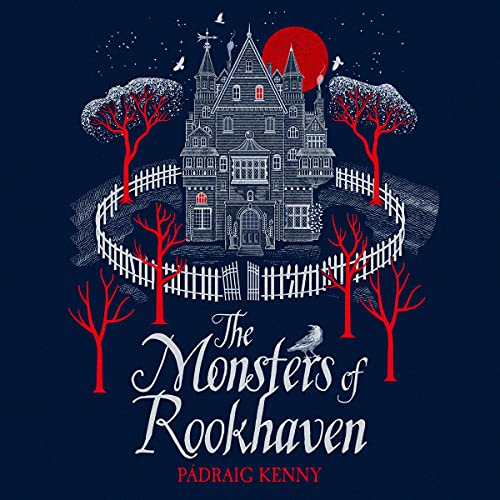
Pádraig Kenny published a third novel last year, The Monsters of Rookhaven, in which he explores the themes of good versus evil once again. It has been been widely acclaimed and both nominated for and won numerous literary awards.
I like to set myself an annual reading challenge – it’s a great way of expanding your reading horizons and I’ve thoroughly enjoyed the selections I’ve made over the last few years that I’ve been doing it. This year, I decided to do something a little different and set myself the goal of reading twelve non-fiction books. Non-fiction is a genre I neglected a bit last year and yet I come across so many books that look so fascinating.
First book of my non-fiction reading challenge complete!
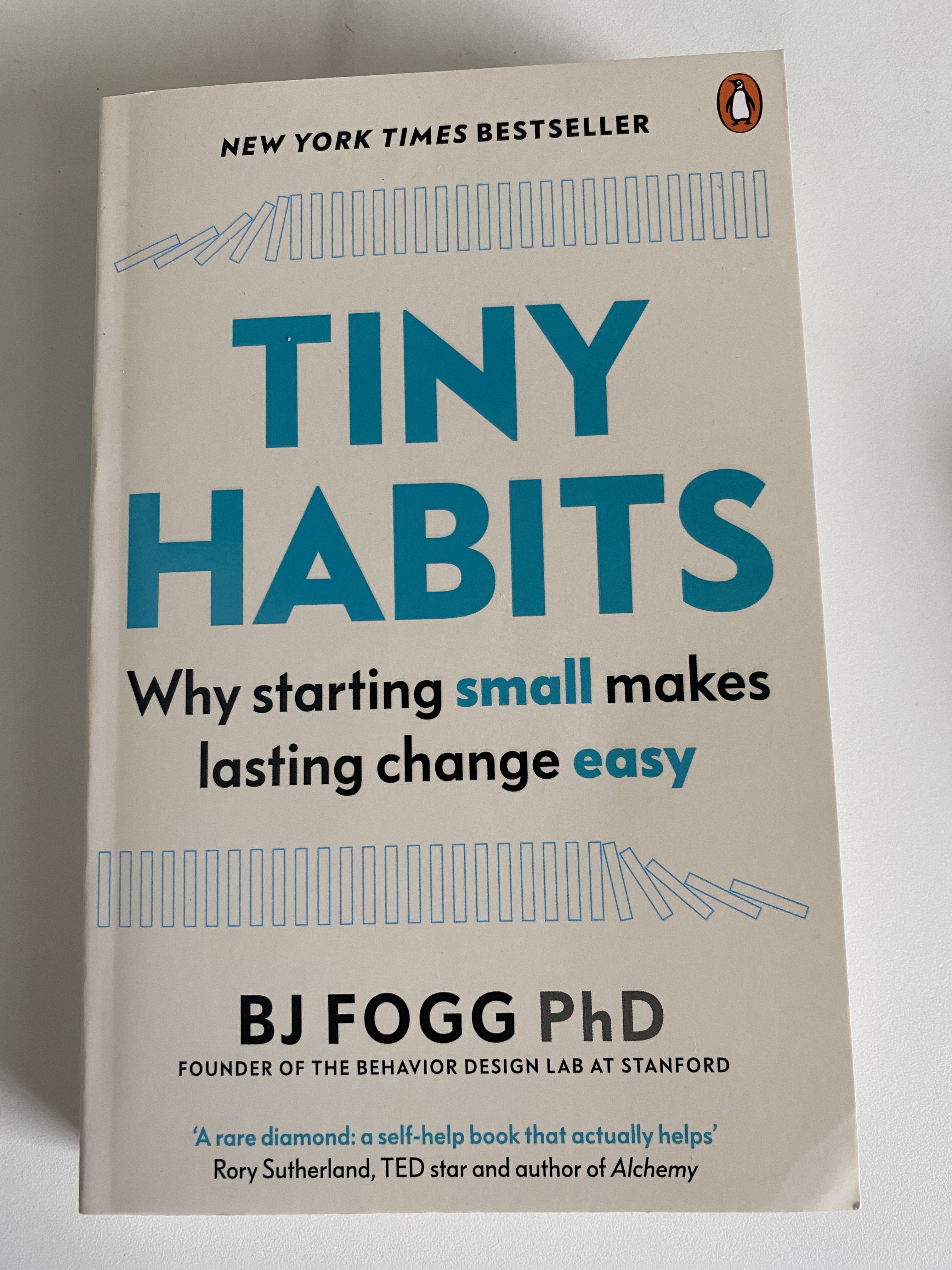
For January, I set myself a relatively easy book, Stanford academic BJ Fogg’s Tiny Habits: Why starting small makes lasting change easy. I picked up on this when I was thinking about why so many of us find new year resolutions so difficult to keep. I generally make a conscious choice to not set myself any, in the firm belief that I’m setting myself up to fail! The opening of a new calendar or diary has the powerful effect of making me want to do or change something, however! Instead of resolutions I thought about some new habits I would like to adopt into my life. Nothing too earth-shattering, mainly things like drinking more water, practicing piano daily or writing something (anything!) each day. Small, incremental changes that don’t look that hard to do, but which I have singularly failed to implement in my life to date.
I liked the sound of this book. I like the idea of starting small – this seemed achievable. There is a website to accompany the book, https://tinyhabits.com/, which includes some free resources and, as you might expect, options to join mailing lists and paid-for courses.
The basic premise of the tiny habits approach is based on the science of psychology: first it’s about finding the motivational sweet spot of a habit (too many of us seem to set ourselves habits that we don’t really want to do, like go to the gym every day); second, it’s about designing behaviour changes that we are actually able to implement (within our means, doable in our daily lives); thirdly, it’s about finding ways to remember to do the things we want to do. I can really identify with this last one – I really want to drink more water, but I just forget! There is an underpinning equation to all of this: B = M A P (Behaviour = Motivation, Ability, Prompt).
This is not a book to be read straight through. It’s more of a workbook, and it is intended that you should implement some changes as you go along. There are lots of exercises at the end of each chapter and appendices with ideas and further resources. My copy now has lots of post-it notes sticking out of it. It’s quite a long book (270 pages, but very small typeface). It’s written in the typical self-help style with lots of anecdotes and a fair bit of repetition. I find most of these kinds of books could be shortened by at least a third!
As with most lasting change, there is no quick-fix method here, although I have to say that this book has helped me to implement some small desirable changes, for example, drinking more water, doing daily stretches, flossing my teeth and reducing my sugar consumption a little. The big take-away for me has been the concept of the ‘Anchor’ – ie pegging a desired new habit to something you already do very reliably like brushing your teeth. This has worked very well for me for the small things; the jury remains out on whether this is going to ‘scale up’ as BJ Fogg promises, into bigger changes. So, for example, if you set yourself the ‘tiny habit’ of one press-up per day, this can in time, evolve into a full-blown exercise regime, and therefore greater health and well-being, because you will be buoyed-up by your success in achieving the single press-up habitually. Fogg is also big on ‘celebrating’, for example, making sure you give yourself some sort of fist pump or similar when you achieve even the tiniest habit. This does not quite suit my English character, but I’m trying!
This is definitely a book I have learned from and one I feel sure I will dip in and out of. If you want to make some major changes overnight this is not going to work, but I am in agreement with the author’s basic premise that small changes have the greatest chance of success and that you can probably build on them over time.
Book two of my 2022 non-fiction reading challenge
Book number two in my non-fiction reading challenge is a very big one: Lebanon: A country in fragments by Andrew Arsan. Lebanon is a country that fascinates me and I had the very good fortune to spend some time there in the late 1990s. I’m looking forward to this one, though it may take me some time!
Interested in self-help books? Here are some others that I have reviewed:
One of the great joys of my life has been to have had the privilege to spend a solid three years of my life engaging with the classics of English literature (University of London, 1990). I have a particular passion for nineteenth and early twentieth century literature and one of my favourites is Thomas Hardy. I read all of his major (and many of his minor) works. I was very young when I read them though and had had nothing like the life experience I have now – of falling in and out of love, getting married, having children, dealing with deaths, dark times, joyful times and the like. Hardy is therefore a particularly interesting author to come back to later in life, when you have been through all those ups and downs of life.
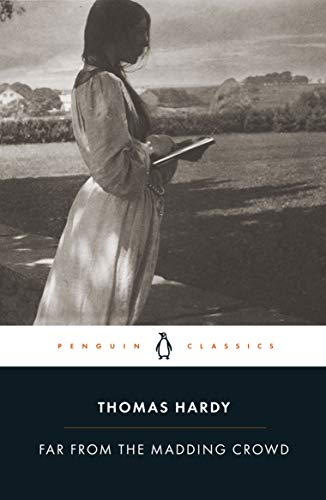
I was delighted when my book club decided we’d read Far From the Madding Crowd. Although it is not my “favourite” Hardy novel, it definitely makes my top five. My favourite is Jude the Obscure, or at least it used to, but perhaps my feelings would be different now, closely followed by Tess of the D’Urbervilles, which I studied at school (a ‘first love’ if you like). I adore the Roman Polanski film adaptation from 1980, starring Nastassja Kinski which is so loyal to the book.
Bathsheba Everdene is one of English literature’s iconic female characters. Young, spirited, independent and ambitious, Hardy puts her in a position of power (running a business, a thriving farm) which would have been rare for women at the time. Hardy also allows his female characters to feel lust, passion and to follow through on their desires. They are even allowed to have sex! Poor, unfortunate Fanny Robin, pregnant out of wedlock by Sergeant Troy, dies penniless in childbirth. Hardy might even be considered an early feminist writer.
I experienced Far From the Madding Crowd on audio this time, a 2020 release narrated by Olivia Vinall, which was brilliant. It takes a particular skill to get the voices of the opposite sex right and the narrator achieves this extremely well, conveying very successfully the variations in character between Bathsheba’s suitors, Gabriel Oak, Farmer Boldwood and Sergeant Troy. I also loved her narration of the rural scenes with the farmworkers which could have been patronising, but were not.
This book is pure joy and so many of Hardy’s passages are simply breathtaking. I frequently found myself bookmarking chapters on the audio so that when I got home I could look up the printed version and immerse myself all over again.
Puddletown in Dorset, renamed Weatherbury in Far from the Madding Crowd
In my book club we also watched the most recent film version, from 2015 starring Carey Mulligan, Matthias Schoenaerts and Michael Sheen. It was beautifully shot, wonderful to look at (because of Hardy, Dorset is my favourite English county); Wessex is well and truly captured. For me, however, it had a couple of fundamental flaws; firstly, it is simply too short! At a little under two hours it cannot deal effectively with all the themes explored in the book and so it is distilled down mainly to the slow-burning love story of Bathsheba and Gabriel. Neither is there sufficient time to truly justify the transition of its main protagonists. Secondly, Carey Mulligan, much as I love her as an actor, is, for me, just too old for the role. By my reckoning she would have been about ten years older than Bathsheba and I think she just comes across as too ‘experienced’, particularly at the beginning.
I have found a great blog from 2017 comparing the different film and television adaptations by Jennifer Rose Writes which seems to favour the original 1967 version starring Julie Christie. At three hours in length it might address at least one of my complaints about the 2015 film. It goes to show how audiences’ tastes and tolerances have changed. So, I am off to watch that.
The classics are classics for a reason – they bear multiple re-readings and it has been such a pleasure to come back to Hardy after so many years. I am resolved to make this a more regular pursuit. Next up, Crime and Punishment, I think.
My local shops are filled with hearts and red and pink things at the moment. I can’t begrudge them the opportunity to generate some profits on higher-margin sales after what have been a couple of very painful years for so many, but my heart sinks somewhat at the ghastly products sold in the likes of Marks and Spencer (which has had a good pandemic), as they further milk the Colin the Caterpillar and Percy Pig brands!
I don’t want to come over all Scrooge-like, however; we all need a bit of fun at this stage in the year and Valentines Day can certainly provide that. If your loved one is less than impressed by pink and shiny things, however, or if you’d like to give a rather more sustainable gift, there can surely be nothing better than a book. Bookshops are working harder than ever and those in my local high street have certainly put out a nice display of options – my lovely local secondhand bookshop (shout out to Abacus Books, Altrincham) always puts on a brilliant, ever-changing locally-themed front window.
The high street shops will cover all the classics of course, but I thought I’d give you a few ideas of my own based on my reading over the last year or two.
Set in turbulent times (first the Spanish Civil War, then political unrest in Chile) this is a saga which tells of the love story of Victor and Roser, thrown together by tragedy, they stay together out of duty. But they ultimately discover the true nature of their love for one another after many decades. Based on real events.
The Unbearable Lightness of Being by Milan Kundera – this 1984 classic set at the time of the Prague spring in 1968 follows the relationships of Tomas, his wife Tereza, his lover Sabina and her lover Franz. And a dog. Complex and philosophical it is nonetheless a romance of sorts and very sexy!
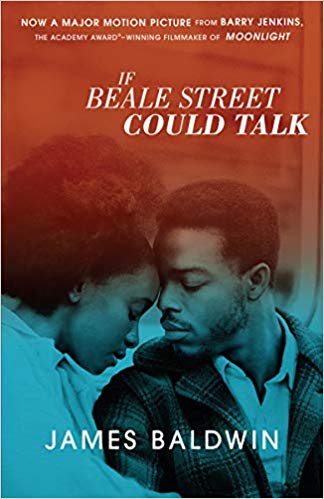
If Beale Street Could Talk by James Baldwin – an American classic with a lovely film adaptation. This book tells the powerful story of two devoted young lovers Tish and Fonny in New York, whose lives are torn apart when Fonny is falsely convicted by a racist justice system, of rape. Tish fights for her lover’s aquittal, but she cannot overcome massive institutional hurdles. Can their love survive.
Normal People by Sally Rooney – one of the books of the decade, surely, if your loved one has not read this or seen the television adaptation, then you must get it for them. Charming, sexy, with a top-notch male hero it explores the journey of young love, the ups and downs, the turbulence and misunderstandings, but ultimately how people can look after each other’s vulnerability.
Aristotle and Dante Discover the Secrets of the Universeby Benjamin Alire Saenz – a powerful story about loneliness, friendship and how this can blossom into love. Two young teenagers, from very different backgrounds, with different life experiences and perspectives, different journeys to go on in terms of discovering their sexuality. Charming, heart-warming. Regardless of your gender or sexuality this is a story about the triumph and the beauty of love.
Call Me By Your Name by Andre Aciman – a summer romance set in Italy between an American adolescent on the threshold of adulthood, the son of two academics, and a visiting research student. The setting is beautifully evoked, the blistering heat of the landscape providing the perfect backdrop to the burgeoning sexual feelings between a teenager and the slightly older object of his desire. The romance is real, tender and, like most first loves, painful at times. Beautifully done.
I hope this gives you some ideas – it’s not too late!
This book first crossed my radar when it was shortlisted for the Women’s Prize in 2020. Most of us were under severe lockdown restrictions at that time, of course, and spending much of our social and cultural lives on video platforms. This was quite liberating for those of us living outside major cities; lots of cultural outlets, whose activities had been shut down by the pandemic, were forced to seek new sources of income and found them by broadcasting live-streamed Zoom events which anyone anywhere could join. The National Theatre (like other theatres across the globe) had been doing this for years of course with its NT Live and Encore programmes where performances are streamed into regional cinemas, but everyone suddenly got in on the act and it was great! I do live near a major city (Manchester, England), but still most events in the publishing world take place in London. One such event, in the past, has been the Women’s Prize talks, interviews with the shortlisted authors, but in 2020 we were all able to participate, and I even had a question answered!
It was a very strong field in 2020 (it always is!) which included Maggie O’Farrell’s Hamnet(the eventual winner that year), the final part of Hilary Mantel’s Wolf Hall trilogy, The Mirror and the Light, and Bernardine Evaristo’s Girl, Woman, Other. Both of the latter books were also Booker Prize shortlisted, Evaristo having won it (jointly with Margaret Atwood) in 2019. When I heard Angie Cruz talking about her book I knew I had to read it. She described it as about the immigrant experience, of a young, naïve girl, moving from her rural home in the Dominican Republic (a small and at that time turbulent nation in the Caribbean Antilles that shares the island of Hispaniola with Haiti). Ana, the central character, has been married off at the age of fifteen to a suitor who is more than twice her age, who plans to take her with him to New York City. Juan Ruiz is a businessman, the eldest of three brothers who have created modest commercial interests in America, but in Dominica they are the local bigwigs who boast of much greater wealth and power than they actually have, particularly Juan. Ana’s mother sees a chance for the whole family to benefit from Juan’s interest in her daughter; she forces her daughter into the marriage in the hope that the whole family will eventually be able to emigrate to America and make a much better life in the land of opportunity.
On arrival in New York, it soon becomes apparent that Ana has been sold a pup. Juan’s business empire is little more than small-scale trading that he runs out of the apartment to which he now confines his new young wife. Ana is forced to cook and clean for Juan, his cronies and his brothers. Juan forces her to stay indoors and keeps her imprisoned by convincing her that the world outside their door is a place of terror. They reside in a part of town where there are outbreaks of violence associated with the civil rights movement and where sirens seem to blare constantly. Ana has been told that her family will soon join her (Ana mainly misses her brother and wants him to be able to get an American education) but Juan clearly has no intention of facilitating this. It is not entirely clear what Juan wants from Ana; yes, he expects his conjugal rights, but he also has a New York lover, a woman his own age. Ana is little more than a slave.
Juan takes a business trip back to the Dominican Republic – political unrest there means he needs to sort out the family’s affairs. During his absence, Ana ventures beyond the apartment for the first time. She shops, starts English lessons given for free by a local nun and falls in love with Juan’s younger brother Cesar, who has been ordered to look after his sister-in-law and goes above and beyond the call of duty in this respect! By this time Ana is heavily pregnant, but with Cesar she has fun for the first time since she arrived in New York. Encouraged by Cesar, she starts selling her home-cooked pastries to the Dominicans working (mostly illegally) in the clothing factories. Ana begins to find her power.
Lin Manuel Miranda’s award-winning musical In The Heights deal with similar themes to Dominicana including the experience of immigrants arriving in New York City from the Dominican Republic
This is a great story; the author described it as based loosely on her own family’s stories. It took me a long time to get to it – it was on my TBR pile for the best part of a year – and when I did get to it, it took me a long time to read. I’m not really sure why, but I couldn’t really get into it. I really wanted to love Ana, but I just did not feel she was fully developed. The chapters were short, the typeface on my edition was, oddly, tiny which made it quite difficult to read, and parts of it, I’m sad to say, just felt like a bit of a slog. There seems to be a bit of a fashion at the moment as well, for not using speech marks – has anyone else noticed this? Perhaps it is me, but I find this really jarring because you sometimes think you are still reading prose, when actually it is dialogue, or vice versa. This worked well in, for example, The Promise, last year’s Booker winner from Damon Galgut, but in Dominicana I found it problematic.
The story ends a bit abruptly for my taste, but not to have ended it where the author did would have entailed many more chapters so there is an argument for closure at that point. This is a powerful story, which needs to be told, but for me there was something missing in the telling.
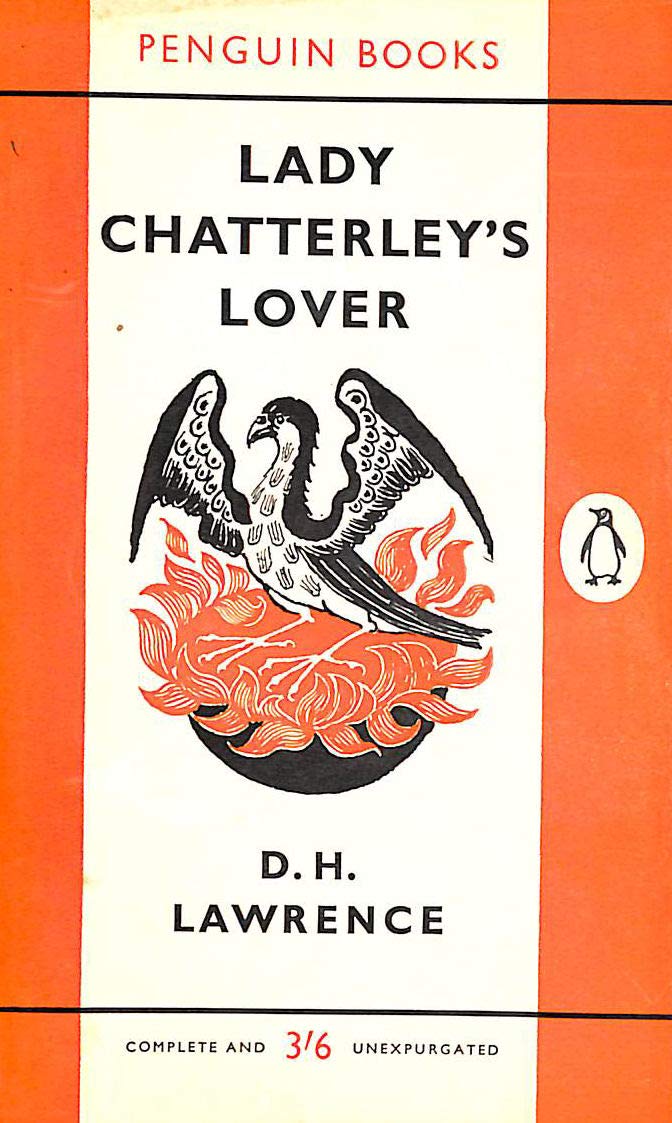
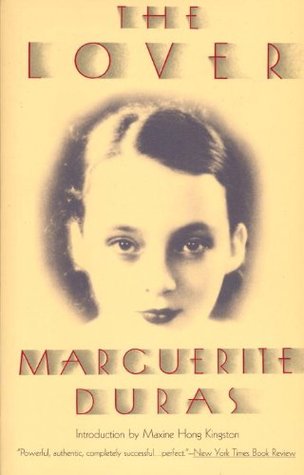
I chose this book for the penultimate month of my 2021 reading challenge, the theme of which was an erotic novel. It is a genre that has a lot of trash, for sure, and most serious readers probably don’t delve into it that much, not for their reading pleasure anyway! But it is a legitimate literary genre and some undoubtedly heavyweight books and authors would be included on any list: Lady Chatterley’s Lover, of course, probably comes to mind first, but then there are also The Lover by Marguerite Duras, Fanny Hill by John Cleland, The Story of O by Pauline Reage, and Delta of Venus by Anais Nin. Some of these I’ve read, others not.
For me ‘erotic fiction’ is more than just ‘a book with lots of sex’; from more recent times I’d say, for example that Fifty Shades of Grey is an erotic novel (probably, since I haven’t read that either!) whereas others have fairly graphic sex in them, but it’s just part of the characters’ lives rather than being the main subject of the novel. Books I’ve reviewed here which I would put in this category include Sally Rooney’s Normal People and Beautiful World Where Are You?, The Unbearable Lightness of Being, Call Me By Your Name, and Luster, to name but a few. Some of these are about sexual awakening, and there are others where sex involves a degree of abuse or exploitation. All of the above books appeared in various lists I consulted when I was considering which title to read, but I think there is nuance that is missing: many of these are good books where the sex scenes are well-written and won’t make you cringe, while in others the whole purpose of the story is an exploration of sex and sexuality, meant to in some way stimulate the reader’s own feelings on the subject – the depths and darknesses, fantasy, the timelessness of it, the human condition, the reproductive drive and animal pleasure.
So, that’s my mini-essay on what constitutes an erotic novel! The question is does Fear of Flying fall into that category? For me, no it doesn’t, though many compilers of lists of erotic fiction disagree with me (I wonder how many of them have read the books they are recommending!) What’s the book about? Well, the narrator and main character is Isadora Wing, a Jewish New Yorker, writer and daughter of a bohemian mother who had ambitions to be become an artist but ended up having children instead. This is the central tension in the novel: can a woman be an artist while also being a mother (for me this is the greater question, not the sexual freedom). Remember it was written in the early 1970s when the act of sex was still, in the minds of many, inextricably linked to reproduction rather than pleasure (at least for women), and for many more, confined to marriage. So, it was probably more erotic in its time than it feels today.
The novel opens with Isadora and her psychiatrist husband Bennett on a plane to Vienna (along with many other psychoanalysts of various types) where she will accompany him at a conference (it is no accident that the city is the birthplace of Sigmund Freud). Whilst there she meets English academic Adrian to whom she is deeply sexually attracted. Adrian has a partner and children in London but seems to have a fairly open relationship (though it becomes clear later that he is more committed to the mother of his children than Isadora originally believes). Adrian and Isadora have a passionate affair; the sex scenes are graphic, but perhaps more shocking to a 1970s reader would have been how much Isadora wants and enjoys the sex. And so the expression “the zipless fuck”, for which this book is so well-known, is coined. The problem is that Isadora also loves her husband and he has many qualities Adrian does not: he brings her calm and stability and we learn later on that Bennett came to her rescue when she was in a very difficult place, her first husband, a brilliant musician, having been committed to an asylum. Isadora leaves Bennett for a time and sets out on an adventure touring around Europe with Adrian living out a carefree life of sex and fun.
I have to admit that I found this book quite boring at times! As with many books that have a lot of sex in them, you become a bit immune to it after a while. This book did not fit my definition of exploring sex and sexuality. Rather, it struck me as a fictionalisation of the same sorts of issues raised by Nancy Friday in My Mother My Self. It seems to me to be more about feminism and about breaking free of a patriarchy which says that women are only entitled to a limited experience of sex, a view that no longer holds in developed societies. *(Largely anyway. In secular ones. With some notable exceptions.) It is also a book about the struggle of an artistic personality to reconcile her creativity with her femininity and what this means for her reproductive status. Again, an issue that I think most developed societies have moved on from (the same caveats * as above apply).
This book was more interesting and meaningful to me as a student of feminist writing than as a reader of erotic fiction although it probably does deserve its place in the erotic pantheon too. I have just started reading Pleasure Activism by adrienne maree brown, following a recommendation. This book explores sexual pleasure from a much broader perspective (brown identifies as a pan-sexual woman of colour) and although it is a work of non-fiction it will be interesting to explore how or if the debate has shifted. A topic I will return to!
So, as for Fear of Flying, would I recommend? Well, yes, if you’re interested in the topic, but not necessarily for “pleasure”!
If you have read this book, I would be interested in your views.
I’ve been setting myself a reading challenge for a few years now. I love following the challenges that other bloggers have set for themselves. Sometimes this is about quantity, no bad thing, especially if you want to get back into a reading groove if perhaps life has taken over a bit and reading has dropped off the list of priorities. I can certainly empathise with this at the moment! Earlier this month I did my monthly ‘in pictures’ post. I hardly took any photos in December so the few that I did have (mostly photos of a research trip to Essex) all looked very pleasant and serene. In reality, things felt much more chaotic! Not just the usual pre-Christmas stuff, but also putting my house back together after the huge disruption of a kitchen refurbishment. Don’t get me wrong, it’s wonderful now and I’m very happy, but it took several weeks to be fully finished, thanks to Covid and supply chain issues (Brexit: the gift that keeps on giving).
So, I feel like I also need to get back into my reading groove and my annual reading challenge might be just the thing. I’m going to do it slightly differently this year. Normally I pick a theme or a genre for each month, but this year, I’m going full non-fiction! Looking back on my 2021 list of books read, only two were non-fiction titles – Cheryl Strayed’s Wild: From Lost to Found on the pacific Crest Trail (which made me want to go and do a long distance walk immediately!) and Haemin Sunim’s The Things You Can See Only When You Slow Down, which it might have been better to read as an aid to calm when I was in the middle of kitchen chaos! I got so much out of those two books as I almost always do from non-fiction, so I really want to make the effort to read more this year.
So, it’s a non-fiction book per month for me. I don’t think I’m going to set myself any themes, rather I’m going to try and go where the mood takes me. This month’s book seems like an apt one: Tiny Habits: Why starting small makes lasting change easy by B J Fogg. I haven’t exactly made new year’s resolutions for 2022, but I am trying to make sure I do certain things on a daily basis, such as piano practice and writing! I am hoping that this book will help me with a few tips and secrets on how to stick to my plans.
When I first started doing my reading challenges I set up a Facebook group which worked well at first. But I have become increasingly disillusioned with social media, and with that platform in particular, so I’m not going to do that this year. I’d be interested to know what platforms other bloggers find helpful in sharing their work, apart from through WordPress of course.
So, I’ll be looking out for others’ reading challenges with interest. I always get good ideas from other people’s reviews. Until next time, happy reading!
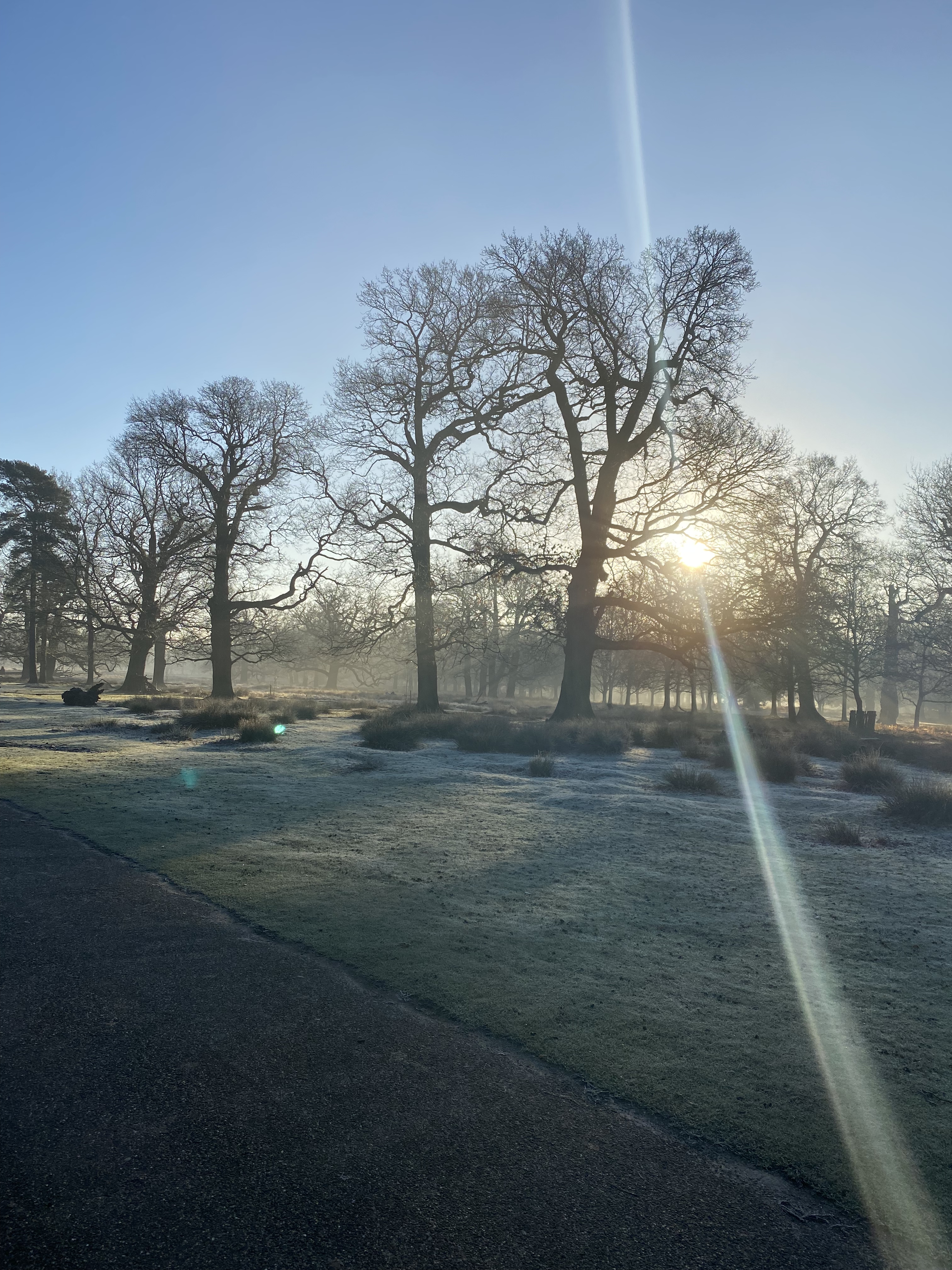
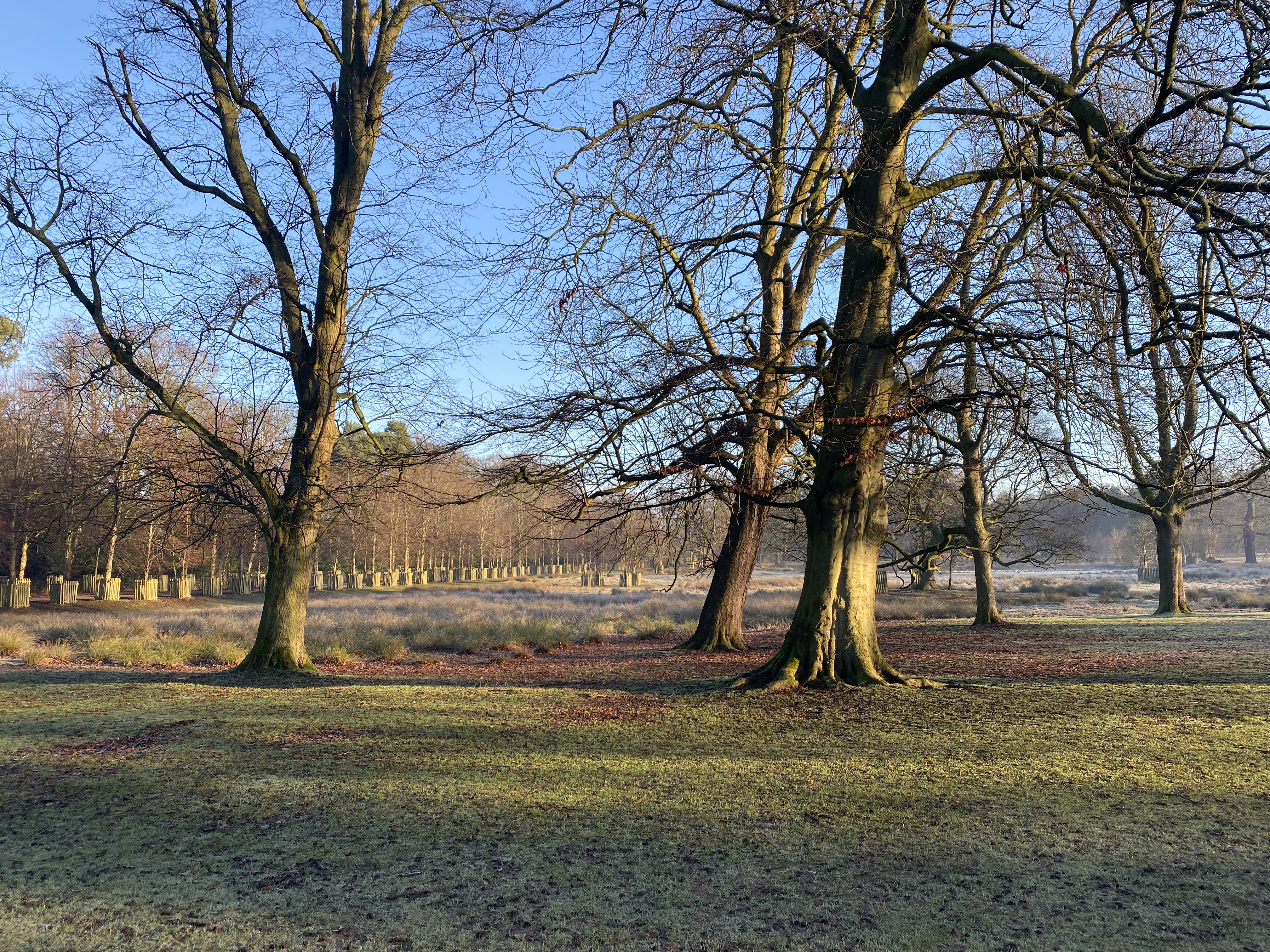
An aunt of mine, who moved with her husband to Australia in the 1970s, said that one of the things she missed from home was the British seasons. Australia moved from scorching summer to a milder greyer period between April and August (not very different to the typical British summertime!), seldom very cold or wet. I have always been fascinated by the changes in the light, the temperature, and nature more generally as the year progresses, so I cannot imagine what it must be like when the months pass with so little to distinguish them.
The snow that fell here in the north during the very cold snap at the end of November gave rise to some beautiful scenes with the most incredible light
Like many, I find the winter months challenging – it can be hard to maintain energy levels and motivation, particularly post-Christmas when one is facing into a long stretch of cold, wet and dark. But I appreciate and am grateful for this time of the year, for this marking of time. It is period which provides a uniquely reflective opportunity as our bodies want us to be less active, cultivate rest and, of course, read more! A Christmas Carol, the Dickens novella that I chose for the final month of my 2021 reading challenge, was the perfect book to sink into winter with.
I started it on Boxing Day, after the hurly-burly of Christmas preparation was finally over, after the meal was long-cooked and someone was taking over the reins in the kitchen. As a child, I always found Boxing Day such an anti-climax, of course, but now as a mother, I love it – the chance to put my feet up at last! When I sat down to read the book I felt deeply immersed in the season – the darkness, the warmth and protection of the interior domestic scenes, (the Cratchits and Scrooge’s nephew, that is, not the cold, lonely home of Scrooge). I read in the late afternoons as I sat down with a glass of something, or a hot cup of tea, as the dusk was falling and my neighbours’ lights were coming on, and I felt in the middle of a northern winter! I cannot imagine reading this book at Christmas time in Australia!
The visitations of the spirits of course, turn Scrooge from a miserable, lonely miser to a benevolent embracer of life and all the good things it has to offer. But in reading it for the first time in what must be many years I felt a deep and powerful sense of the importance not so much of the Christian religious themes but of more universal ideas around family, the importance of community, or caring for the less fortunate, and of rituals around food – the scene in the Cratchit’s household, particularly with the Christmas pudding is marvellous! This has a particular resonance for me as each year I gift a few of my neighbours a home-made Christmas pudding, so at the end of November, my kitchen resembles a Turkish bath thanks to all the steaming!
A Christmas Carol is a brilliant book – simple themes conveyed with imagination and economy. Like so many people, December was a very busy month of preparation and my reading suffered. This was the perfect reintroduction and I thoroughly enjoyed opening a Dickens again. It has made me want to go back and re-read all his other novels that I love so much. The size of my TBR pile is so great that that might be too much – next year’s reading challenge perhaps!
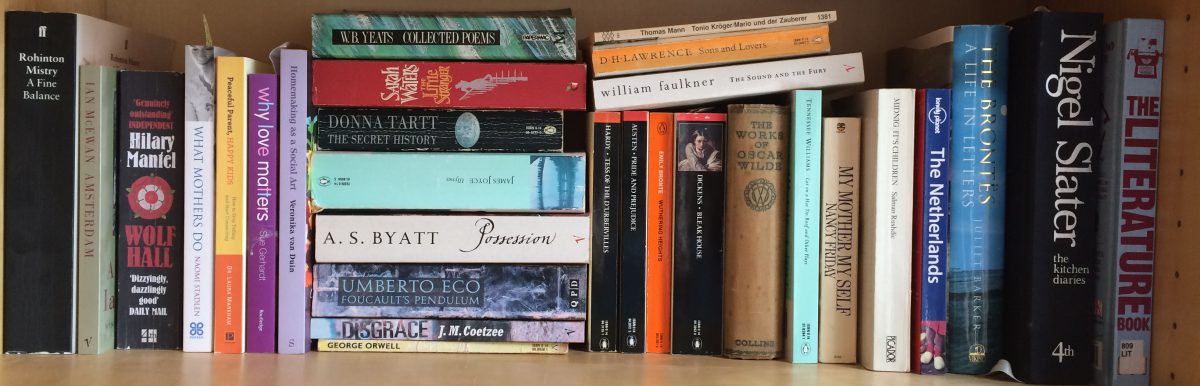


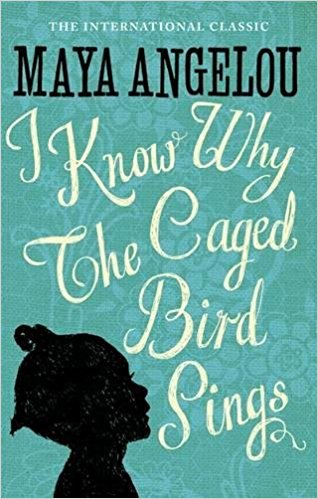


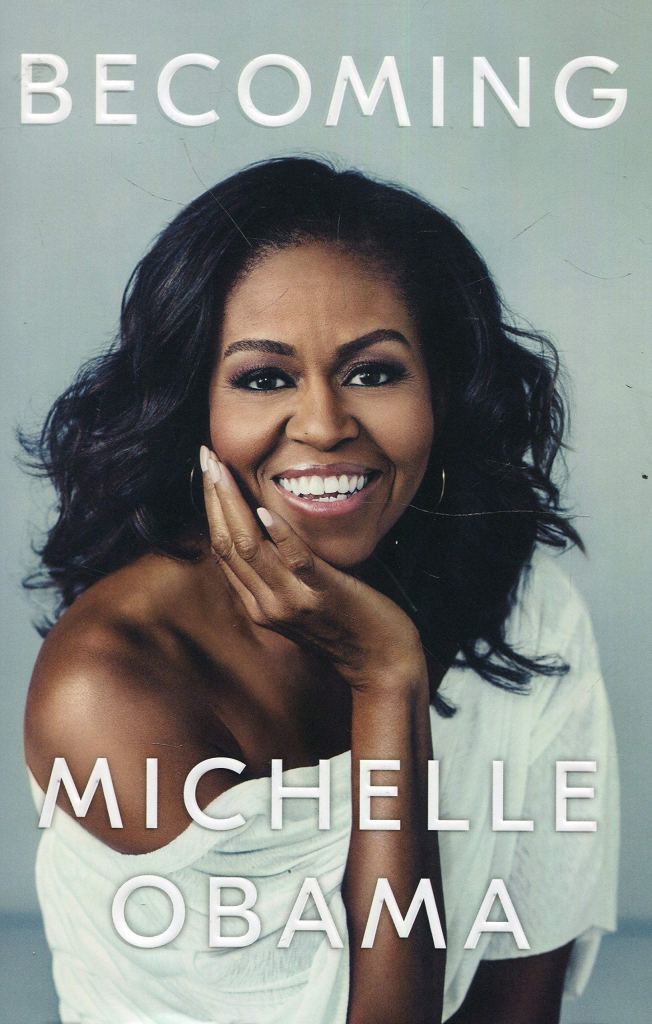













 Julia's books