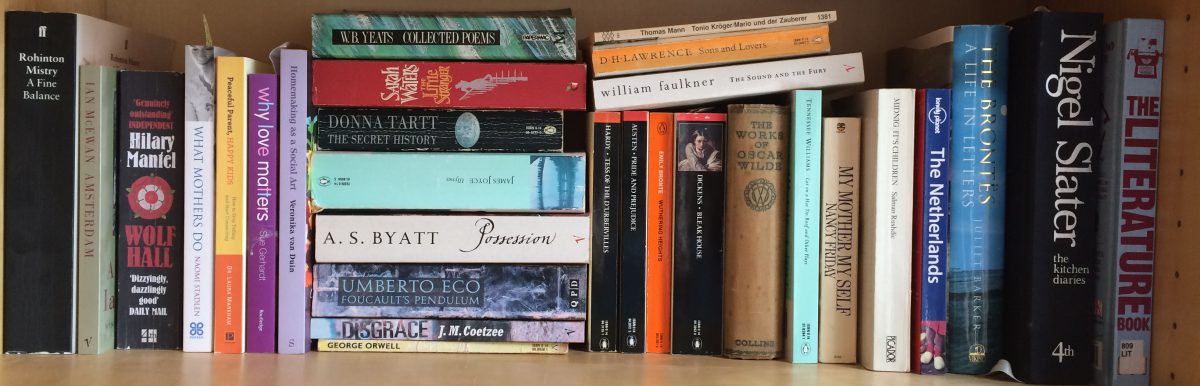
Here in the UK, the government announced last week a so-called ‘roadmap’ out of the Covid restrictions. They are emphasising the need to be guided by ‘data not dates’ so nothing is guaranteed of course. Like most people, I am looking forward to being able to see family and friends again; my own parents are both dead, but I have some elderly aunts and uncles I am anxious to visit, and my in-laws are in Dublin and we have not seen them for fourteen months. I am well aware that there is always someone worse off, and I am so sorry for all those who have lost loved ones in this pandemic, in so many cases, without having had the chance to say goodbye.
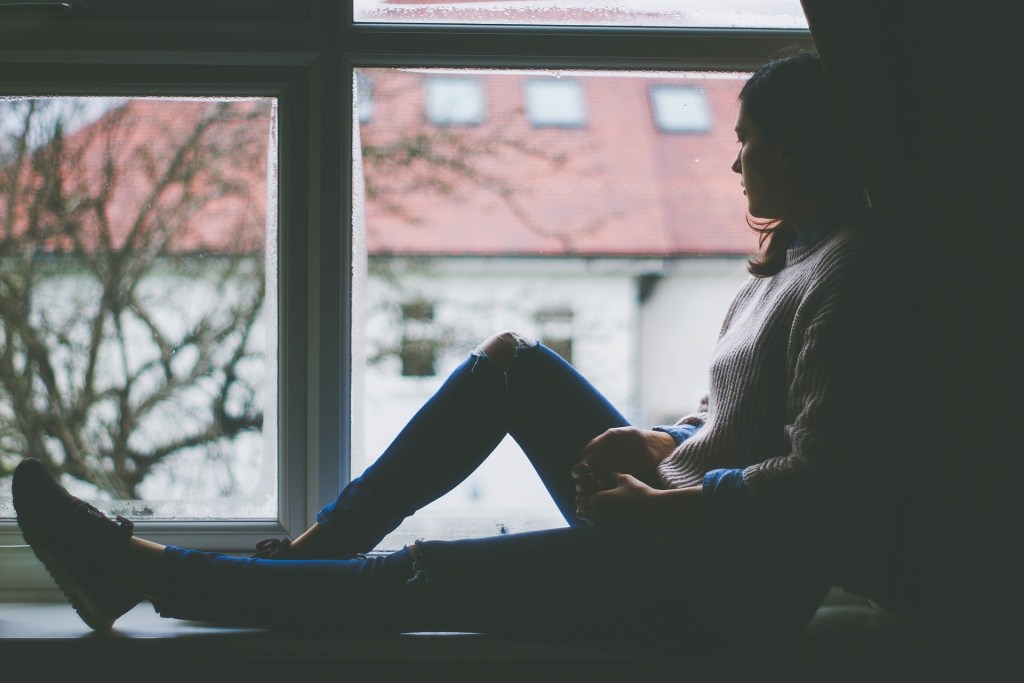
Yes, like many, I am looking forward to booking a holiday, but it’s actually the smaller things I miss more: seeing friends, going to the cinema or an art gallery, a concert or a play. I want to eat in a restaurant again, cheek by jowl with other diners, and go shopping without a mask. I want to get in the car and drive to the coast for the day, or walk up a mountain, or visit my son at university. I would even be happy providing a taxi service to my daughters, ferrying them around to meet their friends. I want to get on the tram and go into town, or go for a swim or browse in a bookshop or the library. All those things I took for granted and sometimes sighed at having to do. I want them all back.
But there is a prevailing narrative that I feel I must challenge; my daughters will return to school sometime after the 8th of March (when the Department for Education gets around to clarifying how schools should implement rapid Covid testing). Yes, they need to get back, see their friends and be in a classroom again, but they are apprehensive. Working from home has been quite good for them – they do not have to contend with the naughty and disruptive kids. We seem to have forgotten that these things cause anxiety in normal times and that some children get bullied or suffer in a crowded classroom or playground. This is going to be worse when they all return, because so many children will have forgotten how to behave in the classroom and I feel for teachers having to manage discipline once again.
And I am a bit sick of hearing people on television, radio and my neighbourhood telling us how bored we all are and how they have been forced to take up macrame, or whatever. To those people I say, try home-schooling, or working from the kitchen table! I never seem to have the time to be bored! I am rushing around less, that is true, and I will miss this pace of life actually. I know that once restrictions lift life will speed up again.
I will also miss the time that we are sharing as a family – we watch films together, play board games, go out for a walk together every Sunday, and my husband, who used to be away several nights a month for work, has been home all the time. Everyone has time to cook, bake, chat, run, walk, and play. We have grown closer as a family and there is less pressure in life, having to be somewhere by a certain time for a given activity.
I will miss barely using my car. My car is quite old and for a while there I fancied something newer, less scratched, that didn’t scream ‘Mum’. Now I don’t care. It’s been weeks since I put fuel in it and that feels great. I bought a new coat in the sales, but apart from that, I haven’t desired any new clothes. I’m sorry for the fashion industry I suppose, but I’ve learned to be very happy with the wardrobe full that I already have, re-discovered some things I haven’t worn in a very long time and learned to love comfortable.
So, though I will not mourn the end of the pandemic (we have lost too much for that) I hope that we will all reflect a little and think about what we learned was important.
How do you feel about the end of restrictions?




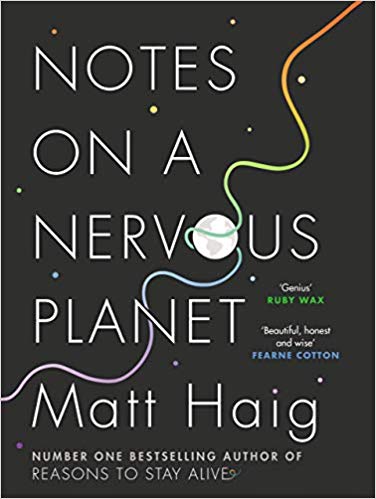


 The book is set in Canada and the United States just 20 years after a catastrophic virus seemingly wipes out about 99% of humanity in a matter of days. The consequences of this are that, within a short space of time, electricity, running water and all the other basic services we take for granted, cease to exist. Vehicles are abandoned on motorways as their passengers leave their homes, to escape to…where? These people then die. Aircraft no longer fly and people are stranded pretty much wherever they happened to be at the moment the virus struck. And then mostly die. Whilst reading I recalled all those diseases in recent years that seemed to prefigure cataclysmic consequences (AIDS, Swine fever, SARS, Avian ‘flu, Ebola) fights which, for the most part, we eventually won; in this novel it is the disease (Georgian ‘flu) that prevails. And that’s scary.
 The author has quite a task managing this complexity: each of the four characters’ stories are told separately and in a non-linear way, but they are like pieces of a jigsaw gradually being pieced together until the overall picture becomes clear. The novel jumps back and forth in time and I found this quite difficult to follow. Also, for me, the drawing together of the strands was a little too contrived; it just did not seem entirely plausible that a tiny number of survivors could have such a connected past. I think this has been my problem with science-fiction generally (but perhaps I haven’t read enough); I get that you have to suspend disbelief but it’s too much for me when that means suspending credibility.
 Julia's books