I spent a weekend in east London over the half term holiday. I was doing some research for a book that I’m working on and wanted to visit the Tower Hamlets Local History Library and Archives, examining relevant documents, photographs and records. The staff there were fantastically helpful and knowledgeable and if you have any family connection with the area I definitely recommend paying them a visit.
East London is fascinating and historic, and if you are planning to visit the capital I would encourage you to spend some time there. It is less crowded than the more touristy beaten track, and a good deal less pricey, both for accommodation and food. Here are some of my tips for places you should definitely include on your next trip:
Whitechapel Art Gallery

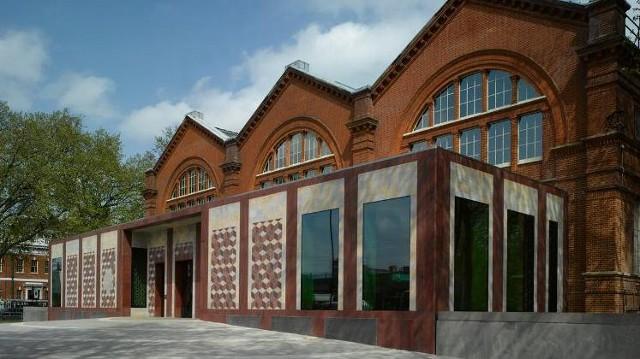
Stunning modern art and sculpture. It was the first publicly-funded gallery in London for contemporary art. It now incorporates the former Passmore Edwards library, which you can see to the right of the gallery entrance. Free entry.
The V&A Museum of Childhood, Bethnal Green
Another stunning museum, displaying toys and other child-related goods through the ages. There are always different activities and changing exhibitions on, as well as talks and workshops. Also free entry.
The Ragged School Museum
I haven’t visited this one myself yet as its opening hours are somewhat limited, but I’ve heard it’s a great experience, giving visitors a taste of a Victorian school pupil’s life. Definitely on my must see list. Admission free.
A day’s walk around the area will be enough to give you a sense of the history of this part of London. Don’t miss the following:
Mural commemorating the Battle of Cable Street, 1936

Stunning mural on the side of St George’s Vestry Hall. It commemorates the Battle of Cable Street which took place in 1936 when demonstrators protested against a march by Oswald Mosley and his British Union of Fascists through this area, which had a large and well-established Jewish community. Mosley abandoned his attempt to pass along this route.
The Parish Church of St George’s in the East
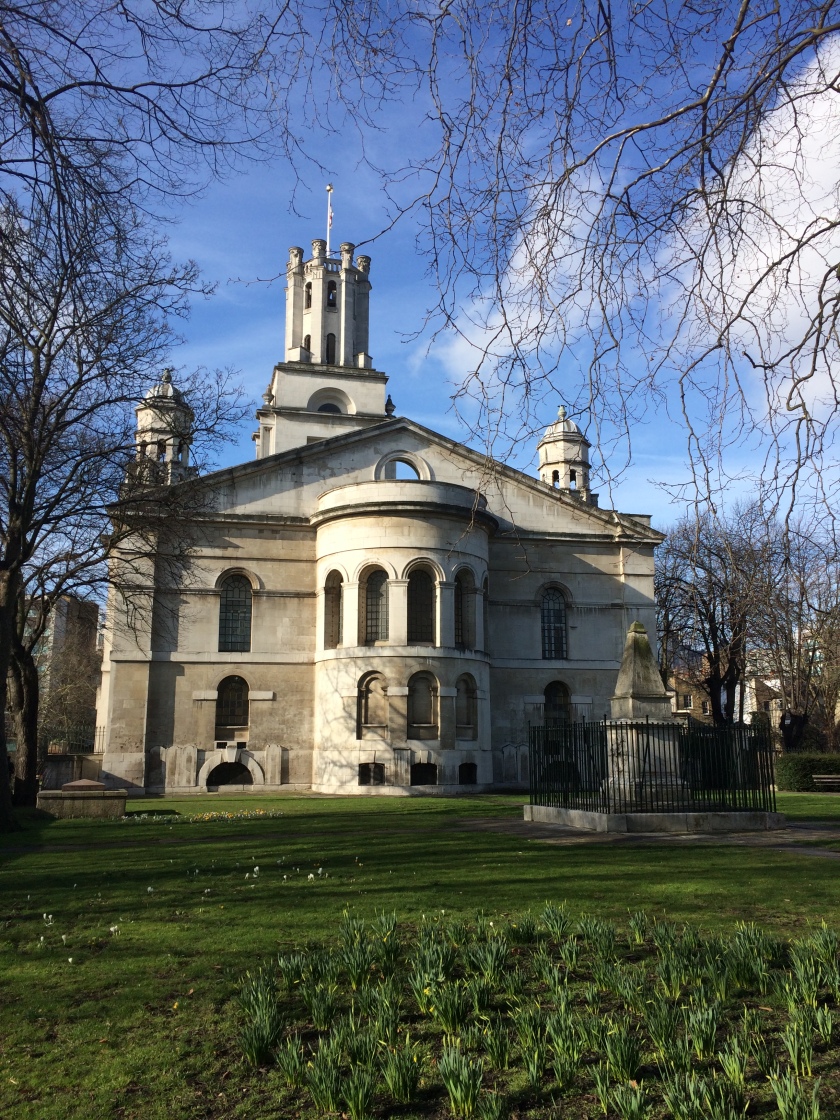
Stunning parish church which was built in the early 18th century
Wilton’s Music Hall
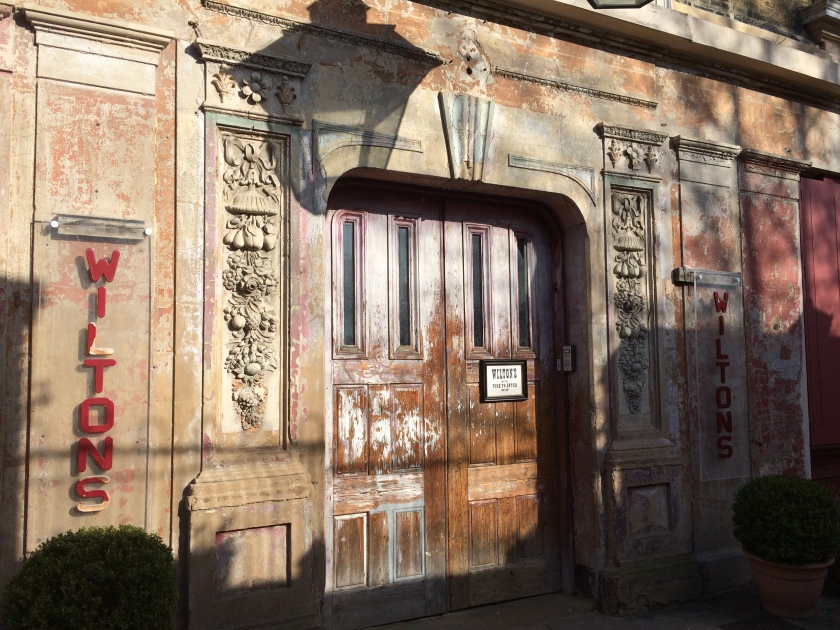
Opened in the mid-19th century Wilton’s was a popular and well-known music hall venue, but poverty and war in the 20th century saw it fall into dereliction and used for other purposes, including a soup kitchen. It is now Grade II listed and gradually being restored and remains a thriving arts venue.
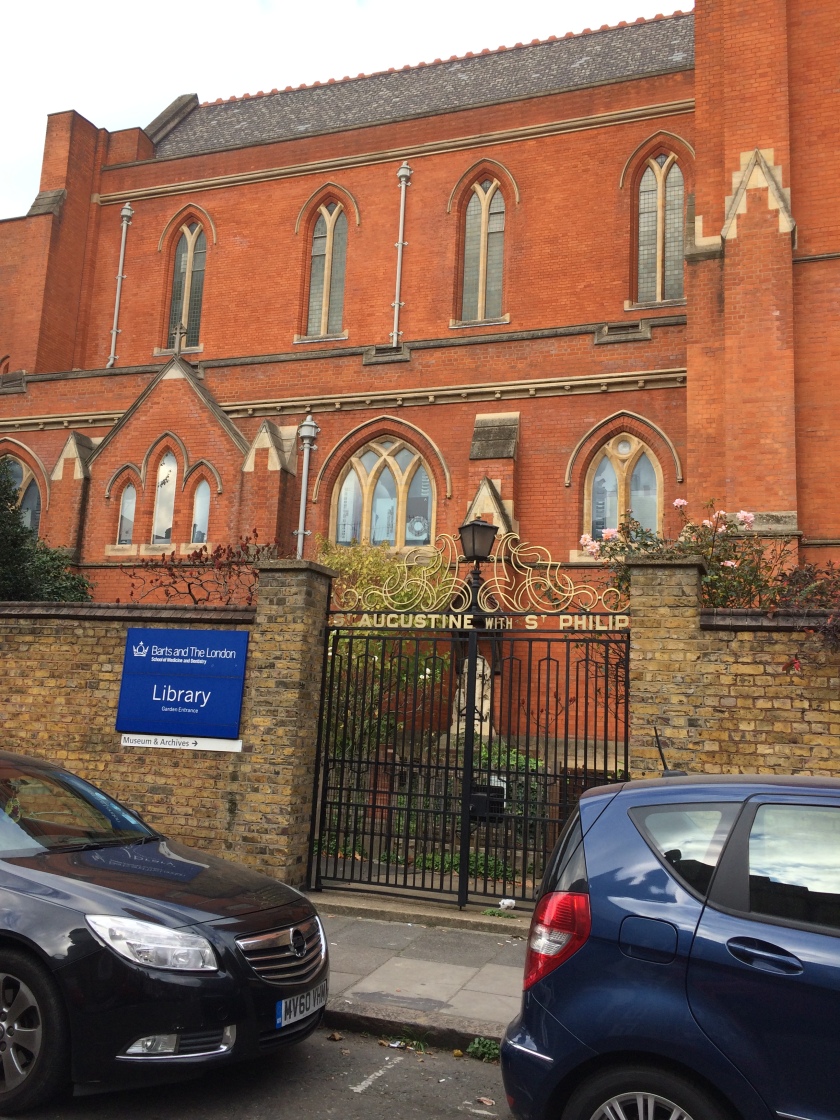
The former Church of St Augustine and St Philip in Newark Street, amidst the vast complex of the London Hospital, now houses the university medical library, but in the crypt you will find a fascinating public museum which tells you about the history of ‘the London’ and the establishment of the NHS more generally.
St Dunstan’s Church
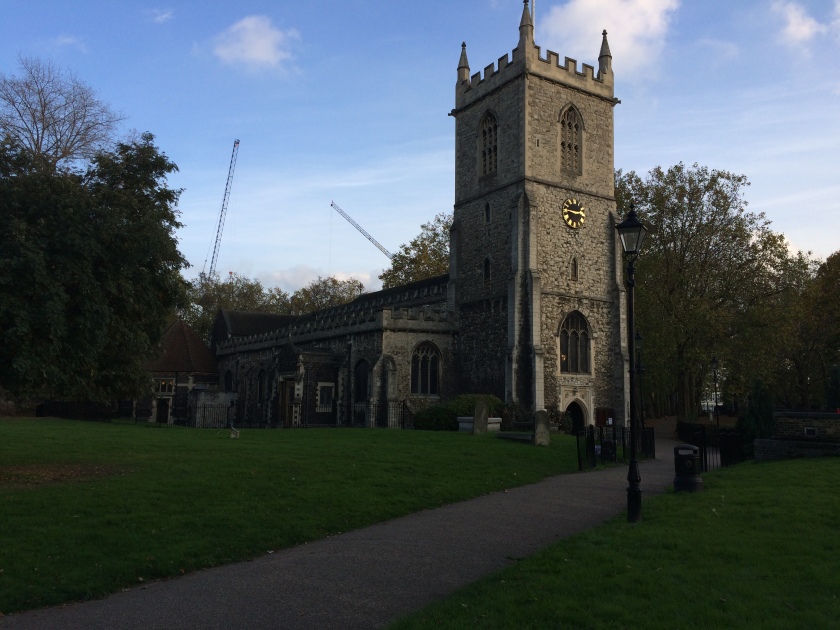
Beautiful church, parts of which date back to the 14th century, that was one of the few buildings in the area largely unaffected by bombing in the area in World War II.
Tower Hamlets cemetery park
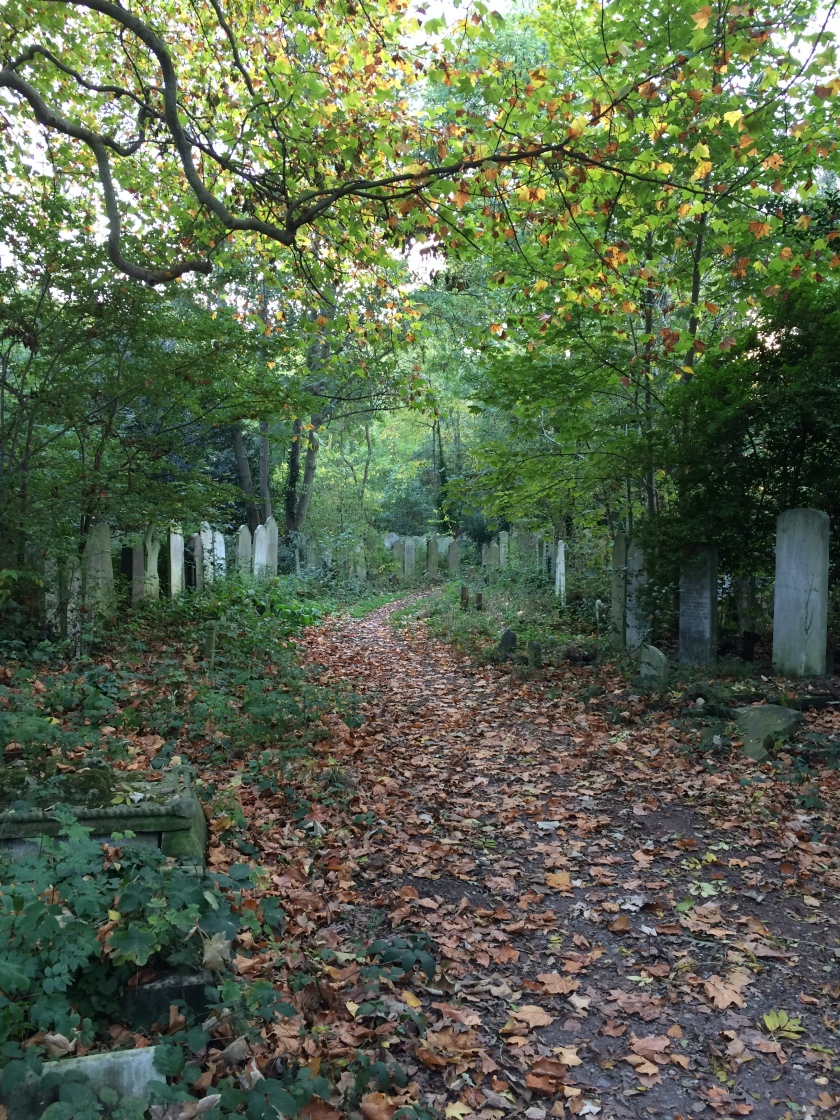
Resting place for over 350,000 souls (mostly in unmarked public graves) it is now a vast nature reserve with a very active network of Friends which works hard to preserve the heritage of the site and make it an enjoyable local amenity. Stunning, peaceful and very moving.
I’d love to hear your recommendations for gems of east London.
If you have enjoyed this post, please follow my blog to ensure you are notified of future posts.

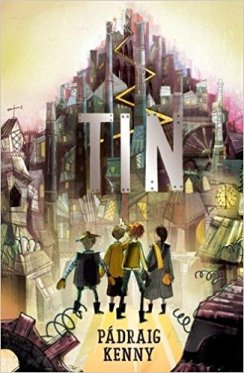 Tin by Padraig Kenny
 The Light Jar by Lisa Thompson
 The Unpredictability of Being Human by Linni Ingemundsen
 The Final Six by Alexandra Monir
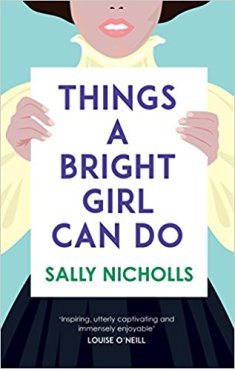 Things A Bright Girl Can Do by Sally Nicholls
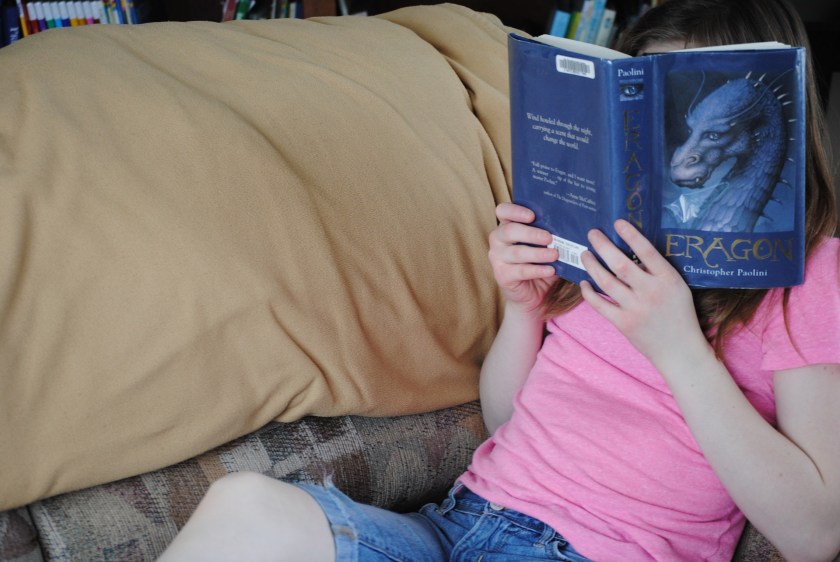 However, with autonomy comes power – if they are having an ‘at home’ day they can simply slip under the radar and spend a great deal of quality time with their phones and tablets (oh for the days when I only worried about how much Balamory they watched!) They can secrete themselves in their bedrooms while I lose myself in all my usual activity. At their age, sure I watched a lot of telly while my parents were out at work in the school holidays, but I also spent plenty of time with my nose in a book. Digital distractions were fewer and less powerful.

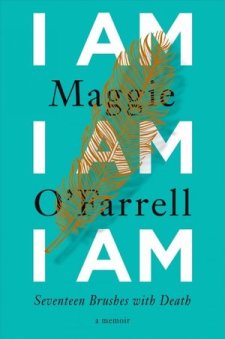 I Am, I Am, I Am by Maggie O’Farrell
 How to Stop Time by Matt Haig
 The book is set in Connecticut in 1942-43. Aila, is 16 years old when we first meet her and she has a younger brother Miles. Their mother, Juliet, has just died and their father has been called away to fight in the war. Aila and Miles are sent to live in Sterling (their mother’s birthplace) with Matilda Cliffton and her family; Matilda was Juliet’s childhood best friend. Aila is keen to take something of her mother’s with her and she finds a volume of Shakespeare’s complete works, much scribbled in, into the back of which has been placed an envelope, containing a ring Juliet always wore, and a mysterious note to an unknown person, Stefen, at the end of which Juliet signs herself ‘Viola’.
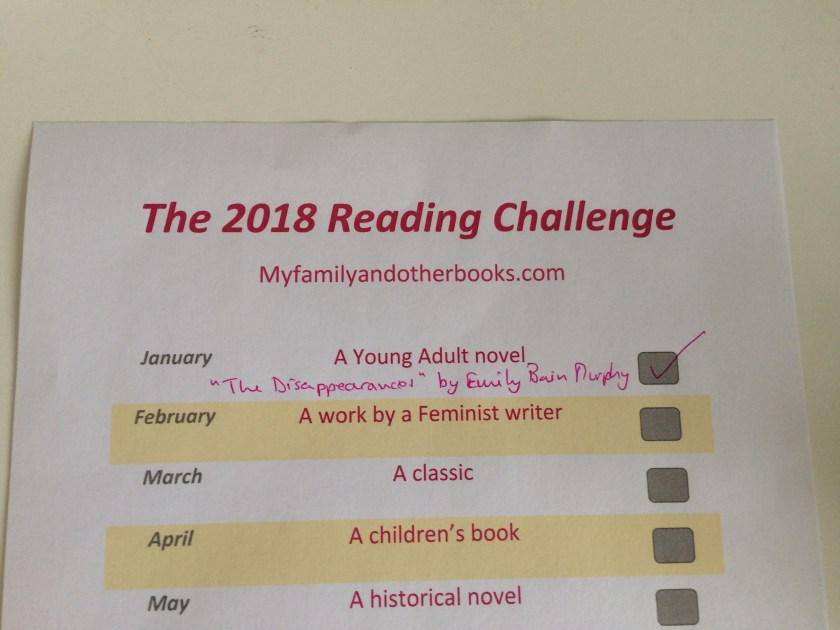 At the beginning of January I set up a
  If you’re interested in taking part in this Reading Challenge you can join the group
  Julia's books