Fiona Mozley’s first novel, Elmet, was published in 2017 and was shortlisted for the Man Booker Prize that year. Set in Yorkshire, for which ‘Elmet’ is an ancient pseudonym, it is a brilliant, dark portrait of a small somewhat disenfranchised family, threatened both by the authorities and by a shady underworld. I loved it and Mozley was, at the time, the youngest ever shortlisted author, until Daisy Johnson came along the following year and bested her by a couple of years. I wrote recently about the ‘difficult second novel’ when I was reviewing Splinters of Scarlet by Emily Bain Murphy. That novel was a little disappointing, but Fiona Mozley has well and truly cracked it with a stunning follow-up.

Elmet had a close focus on a small family (a father and his two children), but Mozley’s skill for creating a strong supporting cast of characters was being tested out even there, and in Hot Stew she has drawn her view back and created an ensemble of diverse characters among whom she moves with dexterity. The novel is set in Soho and Mozley’s interest in history is brought out once again as she weaves in information about the origins of that part of London, including how its name derived from a hunting cry “So Ho”. The novel opens with a conversation on a rooftop between two sex workers, Precious and Tabitha, the former active and the latter retired. Tabitha, we will learn later, is the assistant, companion and adviser in a relationship that defies convention and definition. The novel is populated by many others residing in the area, sex workers, itinerants, entertainers and those who belong in no other place.
The buildings they occupy and work out of are owned by Agatha, the half Russian, half English sixth daughter of a former property peculator whose last wife (the Russian one) managed to persuade her husband to leave all his wealth to their unborn child, whom she had convinced him was a boy. Agatha was born after her father’s death and so never knew the man to whom she owes all her privileges. She was sent to the finest schools, and has wealth beyond most people’s imaginings, thanks to her father having bought up much of derelict and undesirable Soho after the war. Agatha wants to get the sex workers out so that she can develop her holdings further. This tussle for dominance creates the premise of the novel, but in Fiona Mozley’s hands it is so much more than that.
We explore the many worlds of the full range of characters, while never losing a grip on who is who. Some are more relevant than others, but all have a part to play in the story. The reader is invited to examine their preconceptions about sex workers and sexuality as the different lifestyles are explored and complex moral conundrums are set up. There is a huge amount going on in the 300 or so pages of this book.
As with Elmet, the denouement of the novel is dramatic and just far-fetched enough to make us realise that the world we are in is somehow ‘other’. The catastrophe that brings the novel to its close resolves some of the thorny issues thrown up by the story. This does not make it ‘unbelievable’, however; there is gritty social realism here, contemporary social dilemma (how to deal with capitalism) and the dysfunctionality of attitudes to sex and sexuality.
I loved this book and it is a challenge to review because it is so ambitious in scope and so broad in its content. I listened to it on audio and it wasn’t the best narration I have ever heard – the actress was too young, it seemed to me, and there were a number of mispronunciations which should have been edited – that’s not the actor’s fault, more the producer’s laziness. Such things jar. I would recommend the book highly and will be surprised if this does not find itself on some literary prize shortlists this year.


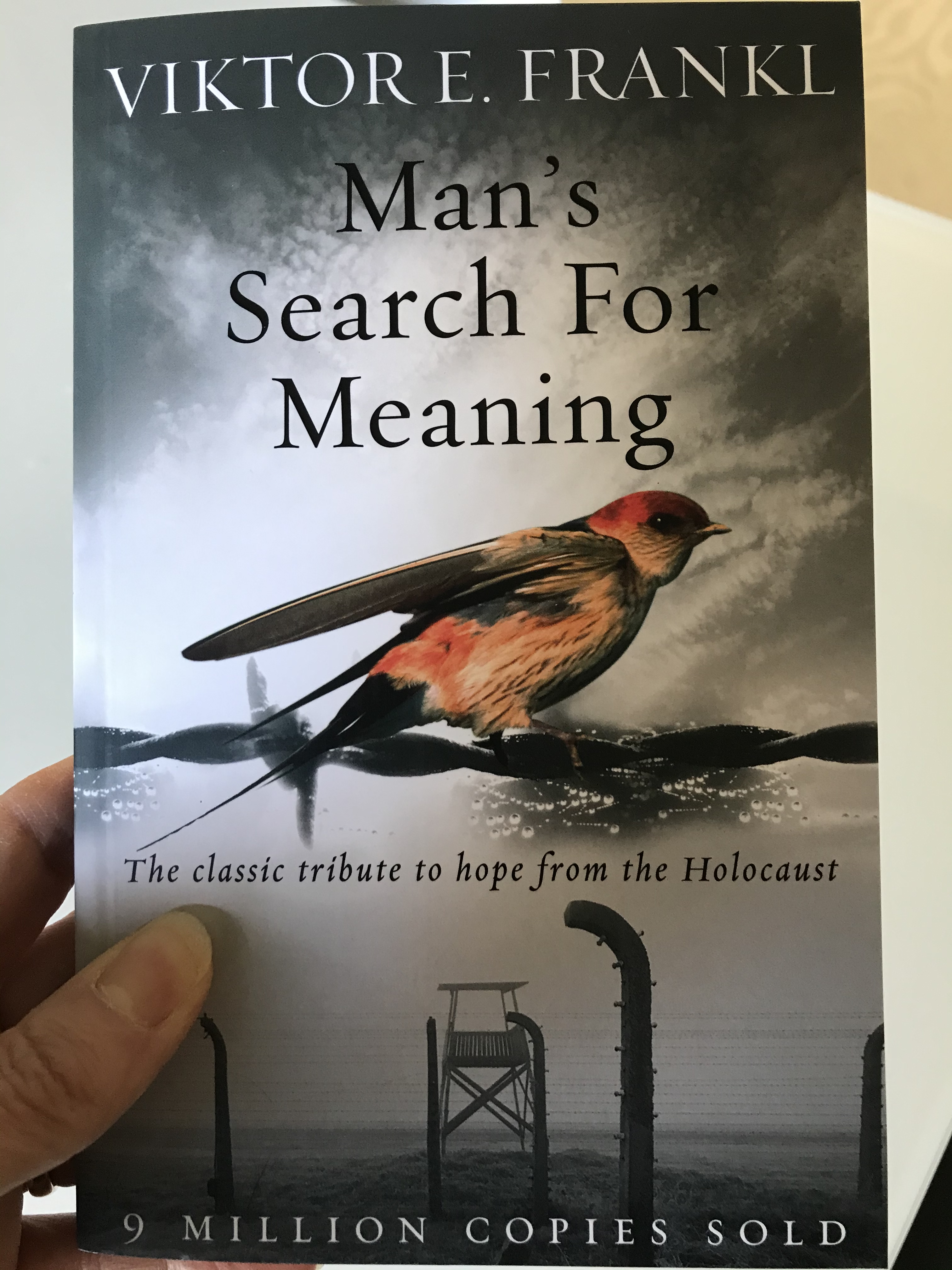 Viktor E Frankl was a psychiatrist who is credited with developing one of the most important theories in the field human psychology (logotherapy) since Freud. He was developing his theory before he was captured by the Nazis but his time in the concentration camp enabled him to observe human beings in extreme conditions and further evolve his ideas.
 Last week I launched my

 The book is about a young newly-married couple, Celestial and Roy, and is set in the American Deep South. Their lives appear full of potential until Roy is accused of a crime he did not commit. He is convicted and sentenced to twelve years in prison. The book concerns the effect of the separation on their marriage, how Celestial copes alone and what this means for their shared dreams.
 So my reading time has been severely curtailed. I managed to finish Why Mummy Drinks just after the book club meeting, just as well it was a quick read and did not require too much mental investment. My other big read for last month, however, did. Colin Thubron’s To A Mountain in Tibet was the April title for my
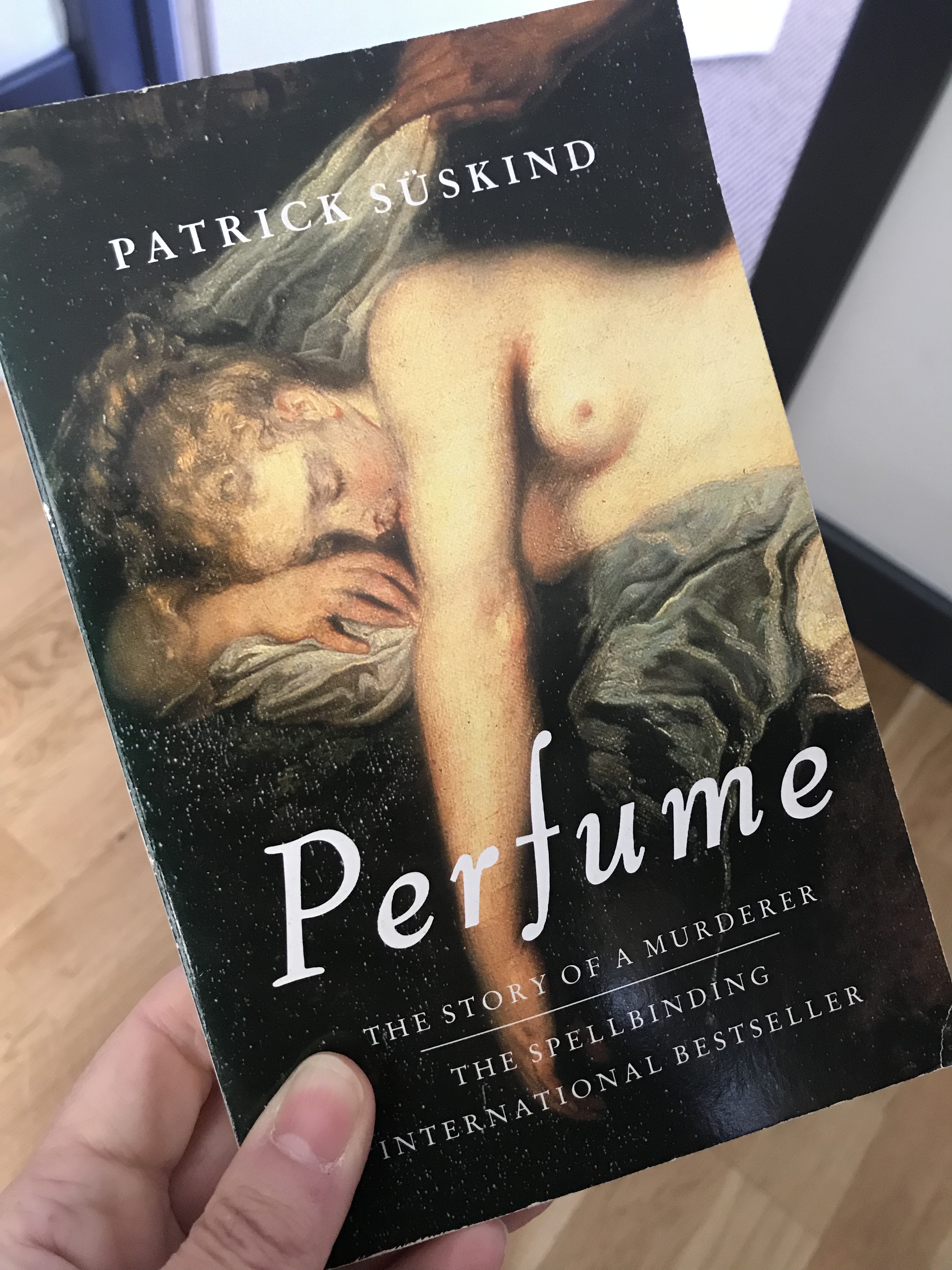 The book begins in mid-eighteenth century Paris when the central character, Jean-Baptiste Grenouille, is born beneath a fish stall, to an indigent mother. She pauses her work briefly in order to give birth to him but then, believing or perhaps wishing him to be yet another of the many stillbirths she is said to have had, she leaves him for dead amongst the discarded fish guts. When he is discovered alive, his mother is tried for infanticide and executed. He is left to the mercy of the church, but proves a demanding and difficult baby, who, despite his unpromising start, appears to enjoy rude health. So much so that the wet-nurse hired to take care of him, returns him as he is drinking too much of her milk, making it impossible for her to take on any other infants and therefore make a living. The sense of his insatiable appetite and how he sucks the life out of those around him is established. As he goes through life, we learn that those who come into contact with him invariably meet a tragic end.
 Julia's books