As I write this, the sun is setting for the day and the moon (a waning one now, since it was also a full one just two days ago) will soon be visible. We are at the precise mid-point between the summer and winter solstices when the sun is positioned directly above the equator, giving equal time to darkness and light. In the northern hemisphere, our nights will now start to grow longer, while in the southern hemisphere it is the day that is lengthening as the spring turns into summer.

It is an important time of the year in the literary world too; as we begin to spend more time on home-based pursuits we inevitably read more. The shortlist for the Booker Prize was announced last week and a number of literary festivals traditionally take place in the autumn – I am looking forward to the Manchester Literary Festival in October. And like it or not, some of us will be starting to think about Christmas shopping and publishers are competing to attract our attention in the hope that one of their new releases will make it into your shopping basket as the perfect gift. So, it’s a bumper time of year for new books to be published. I posted on here last week about the furore surrounding the publication of Sally Rooney’s Beautiful World Where Are You? It is surely one of the most hotly anticipated books of the year.
But the noise surrounding that book has obscured somewhat the many other big publications of the season. Here are some of those that have caught my eye and which I very much hope to add to my TBR list over the coming weeks.
Bewilderment by Richard Powers
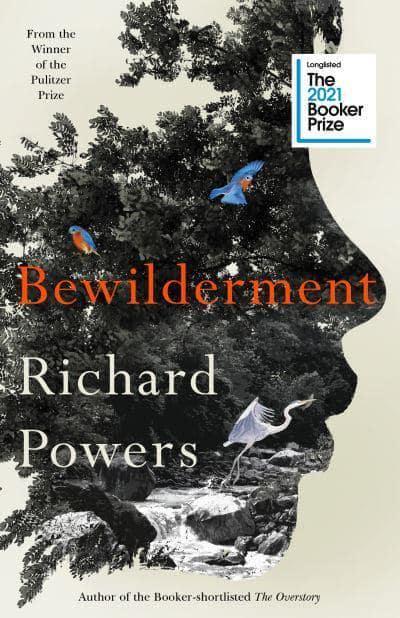
Powers maintains his Booker-nominated streak with his new novel. The Overstory was shortlisted in 2018 and remains one of the best books I have read in recent years. Bewilderment is a good deal shorter but continues with similar themes of the environmental damage wrought by humanity. The main characters are a widowed father and his troubled 9 year-old son seeking connection in the face of global, national and personal tragedy. I can’t wait to read this.
Cloud Cuckoo Land by Anthony Doerr
Another author whose last work was one of my absolute favourites of recent years (All the Light We Cannot See, 2015). Doerr’s latest novel is a complex interweaving of five characters and three parallel storylines set in the past (the 15th century siege of Constantinople), the present (during an attack on a public library in Idaho) and the future (a community under threat). They might all be separated by centuries, but the author explores the things that connect them.

The Inseparables by Simone de Beauvoir

Lost for 75 years, this novel was not published in de Beauvoir’s lifetime as its themes were not considered appropriate. It concerns the friendship between two young girls and how it unravels as they grow up. It is based on a friendship de Beauvoir herself had. The novel’s discovery has caused a frenzy and you can read an extract from The Guardian here.
The Magician by Colm Toibin

I am always wishing I’d read more Toibin, but I never seem to manage it and have only read Brooklyn (after I’d seen the film!). So, I’m determined to read this one as its subject is the great German author Thomas Mann, a favourite from my German A level days.
Four Thousand Weeks by Oliver Burkeman

I watched a discussion between Burkeman and Guardian journalist Zoe Williams a couple of weeks ago about this book. I have enjoyed Burkeman’s columns in The Guardian’s Weekend magazine for some years and like his take on life. This is not a traditional book about producitivity, apparently, despite what the title might suggest, it sounds more like an ‘anti-producitivity’ book, encouraging the reader to focus on what is really meaningful in life.
Pax, Journey Home by Sara Pennypacker

I make it my business to read plenty of children’s literature. It helps me reconnect with the sheer joy of reading that I felt as a child. I loved Pax, Pennypacker’s first novel, and this is a follow-up. I am keen to find out what happened to the young fox and his human companion Peter.
And yet more…
There are a number of other books out which readers might like to note: The Man Who Died Twice by Richard Osman is the second in his Thursday Murder Club series, and looks to be an equally big success. Apples Never Fall by Liane Moriarty is out – will it continue her run of best sellers, following Big Little Lies and Nine Perfect Strangers? I expect so! And in a similar vein, Paula Hawkins’s A Slow Fire Burning looks set to bring the author more success. I probably would not pick up this kind of novel, but I loved The Girl on the Train so I might give it a go. Michaela Coel is everywhere at the moment, deservedly so after the phenomenal success of her television series I May Destroy You. She is an incredible role model and continues to campaign on the issues the series raised. She has now written Misfits: A pesonal manifesto which promises to be a powerful read. Finally, Pat Barker’s The Women of Troy, the follow-up to her 2019 success The Silence of the Girls. I found that book difficult to get into, but it was critically acclaimed and shortlisted for The Women’s Prize.
So, plenty to get my teeth into there. Not sure how many of these I’ll actually manage, given that my present TBR pile is toppling, but I am ever the optimist!
What are you reading this autumn? Do enjoy this beautiful time of the year, before the winter kicks in.





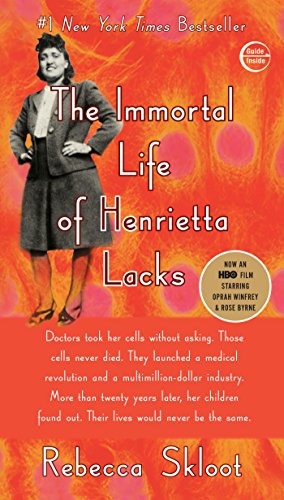 This may have been unremarkable and probably happened more than we care to imagine, but for what happened next: Henrietta’s surgeon had noticed how rapidly her cancer cells had grown, but when George Gey, the scientist to whom he had sent the cells, received them, he found that they divided and reproduced at a rapid rate, and, most remarkably, seemed extraordinarily robust outside their host, unlike all other cells he had dealt with. Gey soon forwarded cells to other colleagues working in the field and they too found the ability of these cells to thrive truly remarkable. HeLa (the name given to the cells) was born and they quickly became an essential part of research worldwide into therapies not just for cancer but for polio and HIV to name but a few. It is thought that around 50 million tonnes of HeLa cells have been cultivated since 1951.
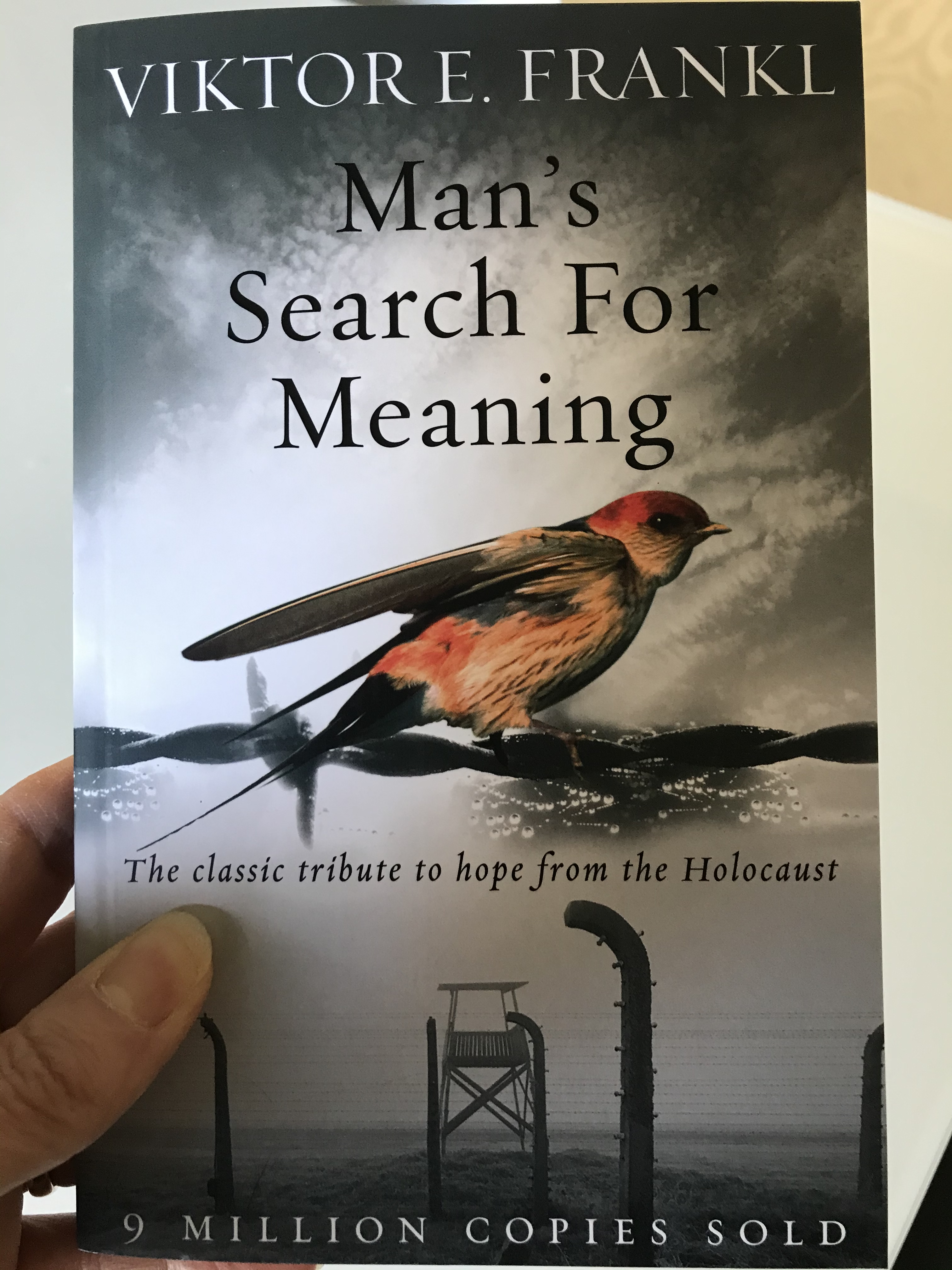 Viktor E Frankl was a psychiatrist who is credited with developing one of the most important theories in the field human psychology (logotherapy) since Freud. He was developing his theory before he was captured by the Nazis but his time in the concentration camp enabled him to observe human beings in extreme conditions and further evolve his ideas.
 The book incorporates cognitive behavioural therapy techniques into exercises for addressing, for example tendencies to be self-critical. Low self-esteem can lead to debilitating inhibition, irrational fears, in both social and professional situations, and, I believe, can truly limit one’s life experience, achievement, enjoyment in life and personal relationships. I have found it really tough working through this book, particularly the chapters which focus on understanding the causes of poor self-esteem. Thinking about my relationship with my parents, in the aftermath of my mother’s death just a few months ago has not been easy.
 The other book I have been reading, The Water Dancer, concerns the story of Hiram, a black slave also in Virginia in the mid-1800s. His mother was also a slave, but his father was a slave-owner, who allowed his son some elementary education after his mother’s death and then, when he was in his teens, gave him the special status of being the personal servant to his white half-brother, Maynard, the heir to their father’s estate. Hiram is also the grandchild of legendary slave Santi-Bess, one of the original transported Africans who is said to have had magical powers (Conduction), although it does not become entirely clear what these are until towards the end of the book. The first significant glimpse of this is when, whilst chaperoning Maynard on a drunken night out, the two young men somehow end up in the river. Maynard drowns but Hiram somehow emerges alive. The events which follow Maynard’s death eventually afford Hiram the opportunity to escape slavery via the Underground and he soon becomes an agent of that cause. It is not a straightforward choice for him, though, as he is forced to confront traumatic memories of his mother, who died when he was very young, and to face the many complex facets of slavery, its consequences, its victims and what it means to be free.
 Julia's books