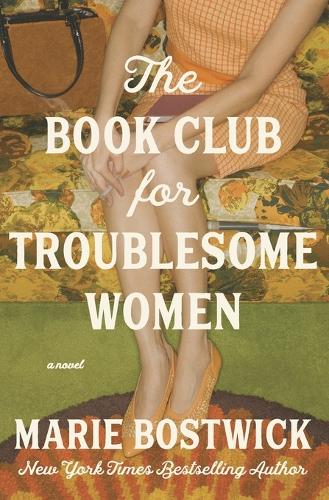
Audiobook review – “The Book Club for Troublesome Women” by Marie Bostwick

This was a book club pick a couple of months ago and I listened to it on audio whilst doing a lot of travelling back in May. It was a very good accompaniment to rolling scenery from the window of a train and a bus, when my eyes needed a rest and I did not want to think too hard! The author describes it as ‘historical fiction’, and it is, although the 1960s don’t seem that long ago to some of us! Set up in a suburban town close to Washington DC in the United States it tells the story of four women who call themselves ‘the Bettys’, after setting up a book club with the inaugural title being the, at the time, controversial book The Feminine Mystique by Betty Friedan. Funnily enough, my husband was reading The Feminine Mystique at the same time I was listening to this novel. It was highly contentious when it was first published in 1963 and is credited with having triggered second-wave feminism, based on some research Friedan, an academic, had done which found that the majority of American women were dissatisfied with their roles as housewives and mothers, and those who had received a college education felt their talents and knowledge were wasted. 

The founder of the book club is Margaret Ryan, a happily married mother of three, who comes up with the idea as a way of bringing new neighbours together. She invites her good friend Viv, a happily married mother of six, and Bitsy, a very young woman married to a vet who is much older than her. Bitsy has no children but the need to become pregnant and her husband’s impatience preoccupy her constantly. The fourth member is the newest neighbour Charlotte, an outgoing, haughty artist, who makes it plain that she is a fish out of water on the neat housing estate and that it was not her idea to move there. Charlotte has two teenaged children and a largely absent husband. 

Over time, the reading of The Feminine Mystique, forces the women to ask themselves whether they are happy and fulfilled, an uncomfortable question for some of them. They explore employment opportunities (which they find are limited) and find that their husbands are not all entirely supportive of the changes the women are seeking. Some of the men are clearly threatened by the change to the status quo.

The women meet regularly and begin to form close bonds, despite the obvious differences between them. As each one encounters personal challenges, such as Margaret’s struggles to find a publisher for her writing, Charlotte’s marital difficulties, Viv’s unplanned pregnancy (she was unable to get a prescription for contraceptives without her husband being present) and Bitsy’s failure to fall pregnant at all, they find their little club grows into something much more meaningful and supportive.

The women are on a journey, as are their partners, trying to break through the barriers that the prevailing social norms have placed in the way of their often very modest ambitions, and as they grow in self-confidence, thanks to the support of the group, they find themselves fighting to bring down those barriers, with varying consequences and degrees of success. 

It is hard to credit that some of the barriers facing women outlined in this novel were in place only a couple of generations ago. It is also a reminder that in some parts of the world, freedoms and equality are still denied to many women, either by law or by culture. The job is not yet complete and this book is a powerful reminder.

Very enjoyable and recommended reading. I listened to it on audio and found the reader Lisa Flanagan to be very good.

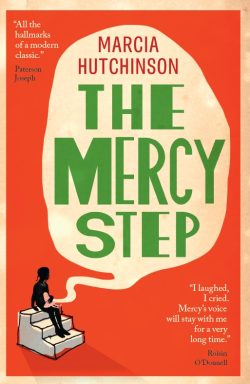
The Women’s Prize for Fiction shortlist book review – “The Mercy Step” by Marcia Hutchinson

The winner of the Women’s Prize for Fiction will be announced tomorrow and as always it’s a great shortlist. I have read two of the books – Flashlight by Susan Choi, which I reviewed on here when it was also shortlisted for the Booker Prize last year, and The Mercy Step by Marcia Hutchinson. I am also part-way through The Correspondent by Virginia Evans, which I am enjoying enormously. The remaining three books on the shortlist (Heart the Lover by Lily King, Kingfisher by Rozie Kelly, and Dominion by Addie E Citchens) also all look excellent and I am keen to read those too. 

I listened to The Mercy Step on audio and it is read by the author, which at first I thought I might find disappointing, but I came to appreciate the authenticity of her Bradford accent, and the naturalness of expression in the Jamaican accents of her parents and their associates. The events of the novel mirror closely those of the author’s life; Mercy is born in Bradford in the early 1960s to parents from the Caribbean (part of the Windrush generation) and the family is large – Mercy is the middle of the five children, but we learn that there are more children who were left behind in Jamaica. The novel ends when Mercy is eleven years of age and is about to start attending the local grammar school. 

Beyond the facts of Mercy’s childhood, I have no idea whether the family in the novel in any way resembles the author’s own experience of growing up – I have not read any interviews with her. What becomes clear very quickly is that the household is chaotic – Mercy is the third of four girls, before the long-awaited and highly prized son is born. At first, Mercy feels a deep connection to her mother; she talks of the cord that connects them, as if the umbilical bond had never been broken. But when another baby comes along, the toddler Mercy’s world is shattered and she cannot comprehend having been usurped. This is the start of Mercy beginning to create her own identity separate from the family. 

Mercy’s father is emotionally absent (as, in fact, is her mother) – he is a gambler with no interest in his children (except the boy when he arrives) and is violent and abusive. The household is chaotic and there is very little money. The children are largely left to fend for themselves (especially later on when their mother has to work long hours to support the family), but at the same time they are bound by strict rules dictated by the religious convictions of their mother’s evangelical faith. Her blind adherence will later place Mercy in a very dangerous position. 

The Mercy step is initially literal, an actual place on the stairs where Mercy can be alone with her precious Dolly, and fantasise about a different life where no-one else is demanding her mother’s attention. It later comes to represent a place in Mercy’s mind where she can escape the drama and degradation (and danger) of the family home. As she grows older and starts school she becomes fascinated by ancient civilisations and realises she can create worlds in her mind that remove her from her harsh reality. Discovering the library is a near-miracle for the young girl and it soon becomes her safe place. We follow Mercy as she grows up and away from the family. At the age of eleven she is ready to embark on a new, more self-confident phase where she can finally be herself. 

I really enjoyed the novel and it is beautifully written. I loved the way the author got into the mind of the baby, toddler and child Mercy and was able to see the world from that perspective. I also enjoyed learning about the experience of a migrant family coming from halfway across the world to the bleak environment of postwar northern England. The author is now in her sixties and has led a full and interesting life as both a lawyer and activist and it will be interesting to see what her next novel brings. 

I recommend this book – I’m not sure it will win the Women’s Prize. I think Flashlight is probably a higher calibre novel and it’s the only other shortlisted book I’ve completed! But The Mercy Step is a great debut and very engaging.

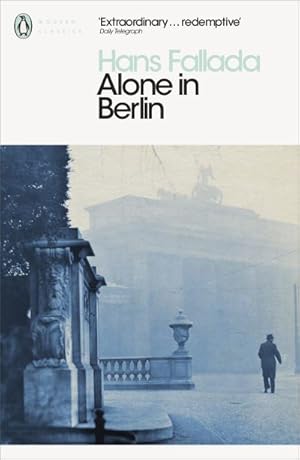
Book review – “Alone in Berlin” by Hans Fallada

The last book review I posted was about the first volume of Marcel Proust’s In Search of Lost Time, a book I started whilst travelling in Egypt just over a year ago. My last blog post (after a long gap) was about the travelling I have been doing so far this year so I thought it might be nice to share with you some of the reading that has kept me company on my travels. On my recent trip to Turkey I read a lengthy book that I bought at the Dussmann bookshop in Berlin in February, Hans Fallada’s Alone in Berlin. Set in 1940, the book covers a period when the Nazis were at the height of their oppressive powers in Germany, through to the start of their decline and ultimate end in 1945. It was published in 1947, remarkably soon after the end of the Second World War, and is based on real events though names and details have been altered.

The story opens in an ordinary apartment block in the city and we are introduced to the residents of the block. The main body of the story concerns Anna and Otto Quangel, but the author sets the scene by telling us about the other residents and creating the social context for the story. There is one family that is committed to the cause of the Nazis and a Jewish woman who is hounded out of her apartment, but the remainder are either quietly resistant or are simply trying to get along in the new situation, make a living (legally or otherwise), and get the best for themselves. It paints a picture of a community that is largely pragmatic, sometimes selfless and sometimes callously self-interested.  

The Quangels are a quiet couple who want no trouble. Otto is a foreman in a factory, a fairly good job at which he is skilled and experienced. The story opens with them receiving the sad news that their only son (also named Otto) has been killed in action. They are devastated, but their reaction to the news shows how unpracticed they are at expressions of emotion and how impotent their rage is. When they tell their son’s fiancee Trudel the news she reveals to Otto, whom she calls her father-in-law, that she is involved in some low-level resistance activity in at the factory where she works. She has betrayed a solemn secret by even telling Otto Quangel this information, but in her youth and naivety, she also does not know how to keep it to herself. Her outburst, however, gives Otto an idea of how he might, in his own small way, express his own anger and resistance towards the Nazis. 

Otto and Anna begin a campaign of writing anonymous postcards containing what would be considered subversive slogans such as “Mother! The Fuhrer has murdered my son!” They plan to surreptitiously deposit their postcards in public places in the hope that others will find them and pass them on, thus setting off a chain of events where citizens will challenge the regime. The couple are aware of the grave risks they are taking and discuss their methods at length to try and minimise the dangers.

The Quangels’ campaign of placing postcards continues for some years. In the meantime we learn of the response of the police and the Gestapo, who acquire most of the postcards and are keen to track down the perpetrator. A number of senior detectives and officers take on the investigation and there is a kind of sinister comedy to their incompetence and the degree of seriousness with which they approach this relatively minor and largely futile action. Meanwhile, the breakdown of order in the society and the petty crimes of citizens which are carried out against the backdrop of the much larger grosser crimes of the regime, are set out before us. 

Apart from the nasty and inhumane treatment of the elderly Jewish woman at the start of the novel at the hands of Nazi devotees on the upper floor of the apartment bulding, the Persickes, there is very little about the regime’s persecution of the Jews. The story here is about how resistance within society, even the most trivial resistance, was brutally opposed and how the society was controlled through fear and surveillance. This was indeed a powerful theme at the Gestapo museum I went to in Berlin, situated on Wilhelmstrasse, from where much of the operation of the state was controlled. The way the Gestapo operatives are portrayed in this novel is both comic and grotesque – they are extremists operating at the edge of reason, both paranoid and murderous. 

This is a long novel about a chase – one of the detectives refers to the case as ‘cat and mouse’ – and the conclusion is long and drawn out, but played against the background of the regime in its declining stages. Did the postcard campaign achieve anything? Was it the only act of defiance available to grieving parents who had no power to protest? Was it symbolic of an underlying opposition within Berlin society that meant the regime was destined ultimately to fail, albeit at monstrous cost? These are all questions I found myself asking as I read this very powerful book.

Highly recommended.

Staying still

I have been doing so much travelling this last few weeks that my blogging has fallen by the wayside. I have missed it! The bookblogging community is so well-populated with nice people, interesting perspectives and authentic passion that it gives me all the online socialising I need and I steer pretty well clear of most other social media. (Not that I would place blogging in the same category as those other types of AI-powered platforms.) I am just back from a bucket-list trip to Turkey and now have a few weeks of going hardly anywhere and quite a lot of work to help pay for all the travel! So, this year I did not go to the Hay Festival (although listening to various shows on the radio that were broadcast from there I confess to feeling a deep sense of FOMO) and I will not be going to Dublin for Bloomsday in a couple of weeks time. Next year.

There has been quite a literary twist to all my travel. I have researched the best bookshops and always try to buy a locally-themed book.

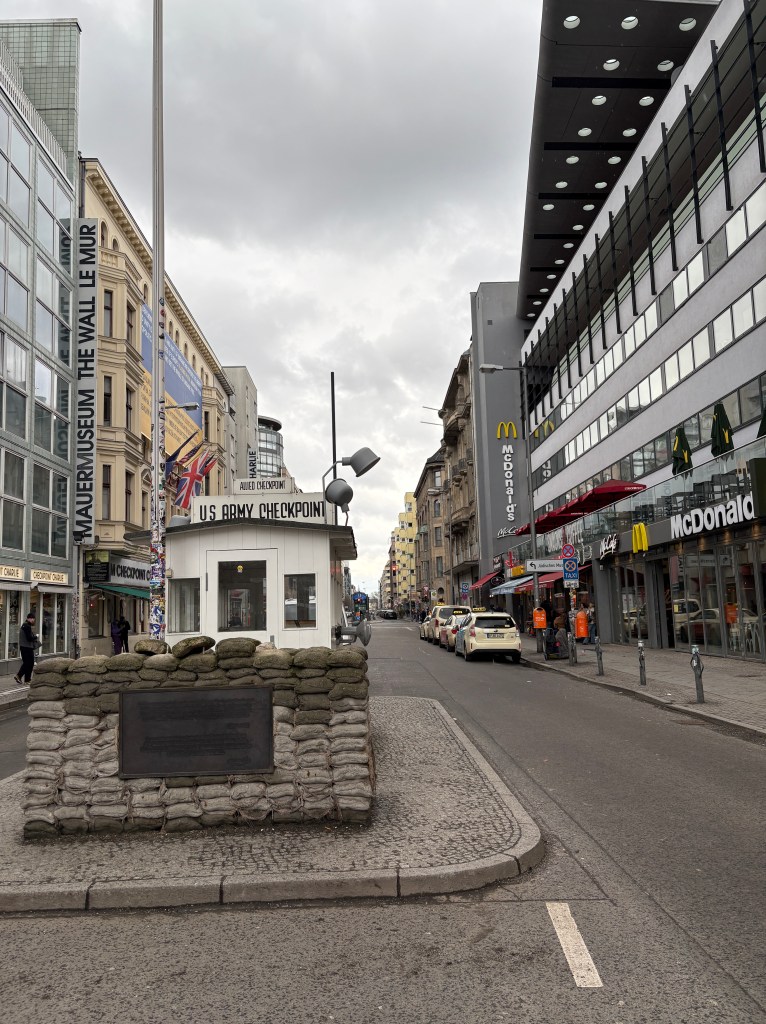
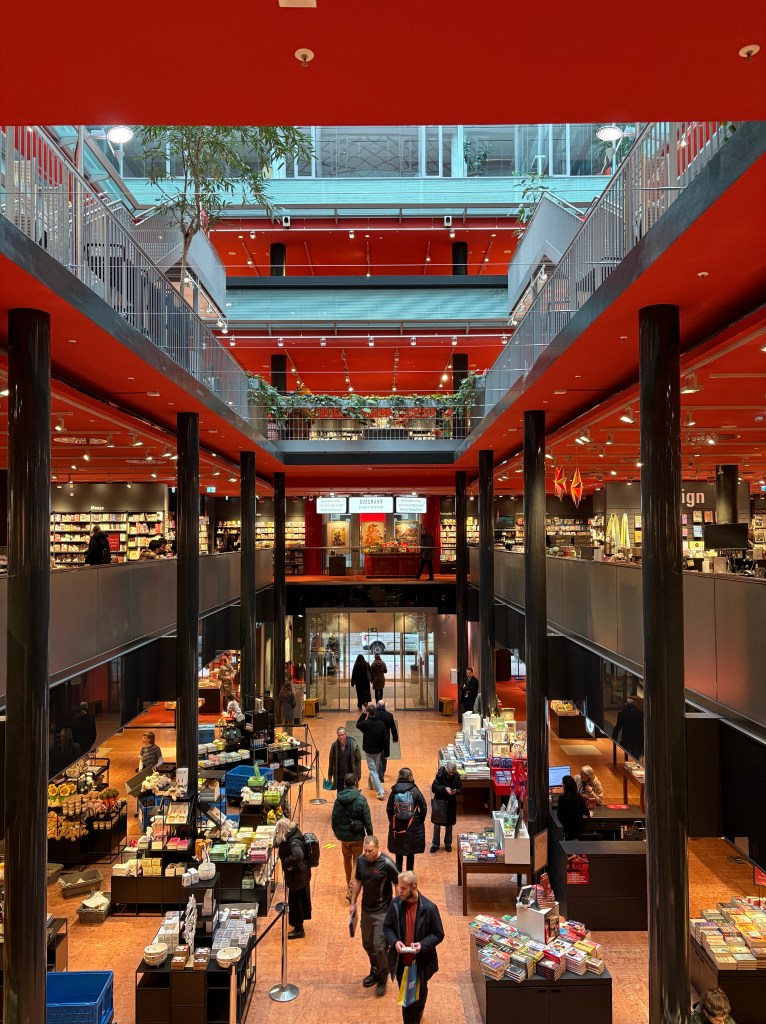
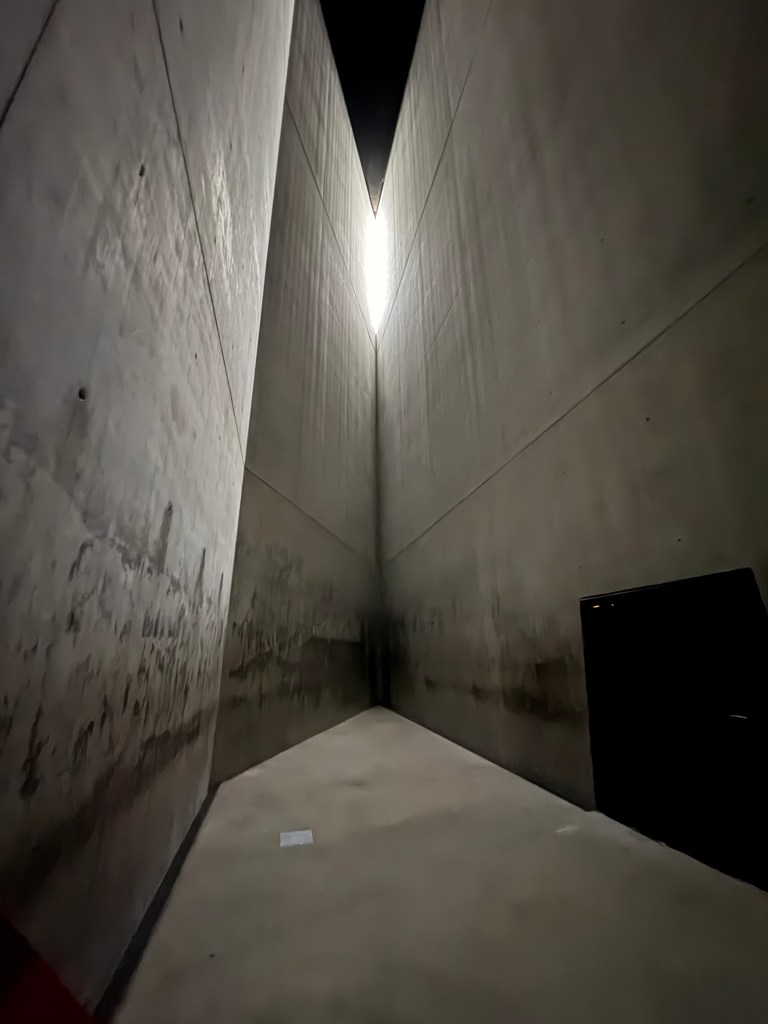
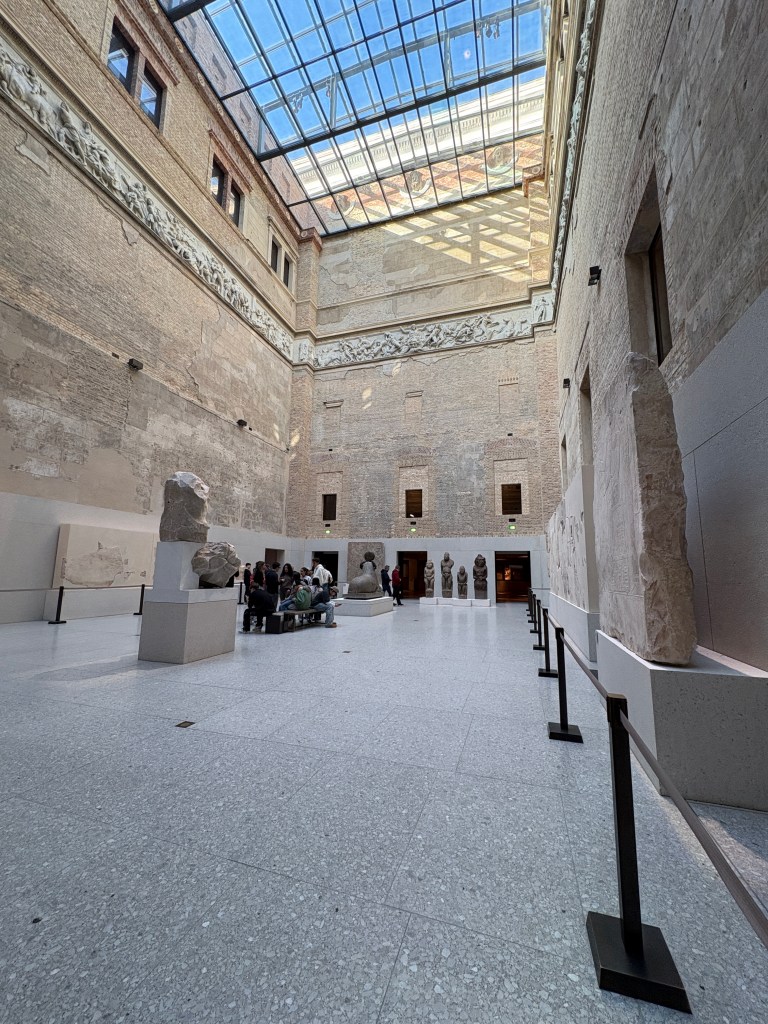
I had a marvellous week in Berlin, which was my husband’s ‘big birthday’ treat! There is no end of interesting things to see and do there and my particular highlights were the Jewish Museum (an extraordinary building designed by Daniel Libeskind), the Neues Museum, with its outstanding collection of Egyptian and ancient artefacts, and, slightly less highbrow, the KaDeWe department store! We also visited the Brecht-Weigel museum which was the modest but fascinating home of Bertolt Brecht and his long-time partner Helene Weigel. We sought out a bookshop of course and found the marvellous Dussmann on Friedrichstrasse, a few minutes’ walk from the Brandenburger Tor. I bought myself a translated version of the German post-war classic Alone in Berlin by Hans Fallada. Look out for my review of that soon (assuming I start getting my blogging act together!).

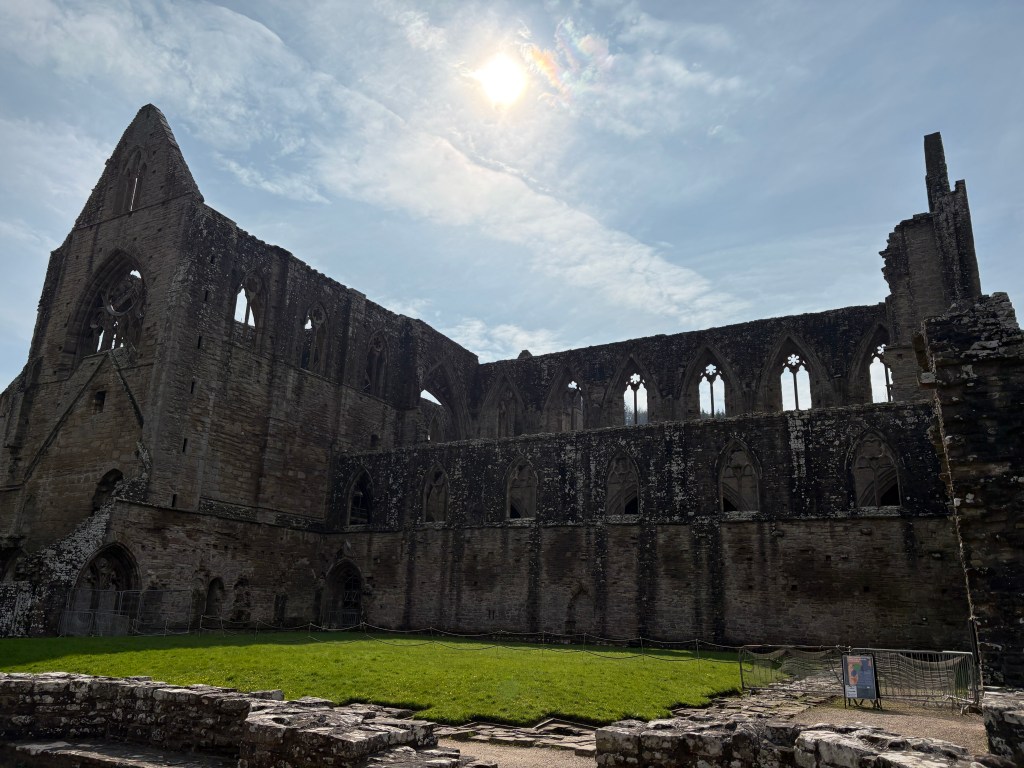
In March we paid a visit to an old family friend in Ross-on-Wye. It’s very close to Hay-on-Wye of course, but not somewhere I had previously visited. It’s a lovely town, but the highlight was going to Tintern and seeing the wonderful, Tintern Abbey, subject of one of Wordsworth’s best-loved poems.

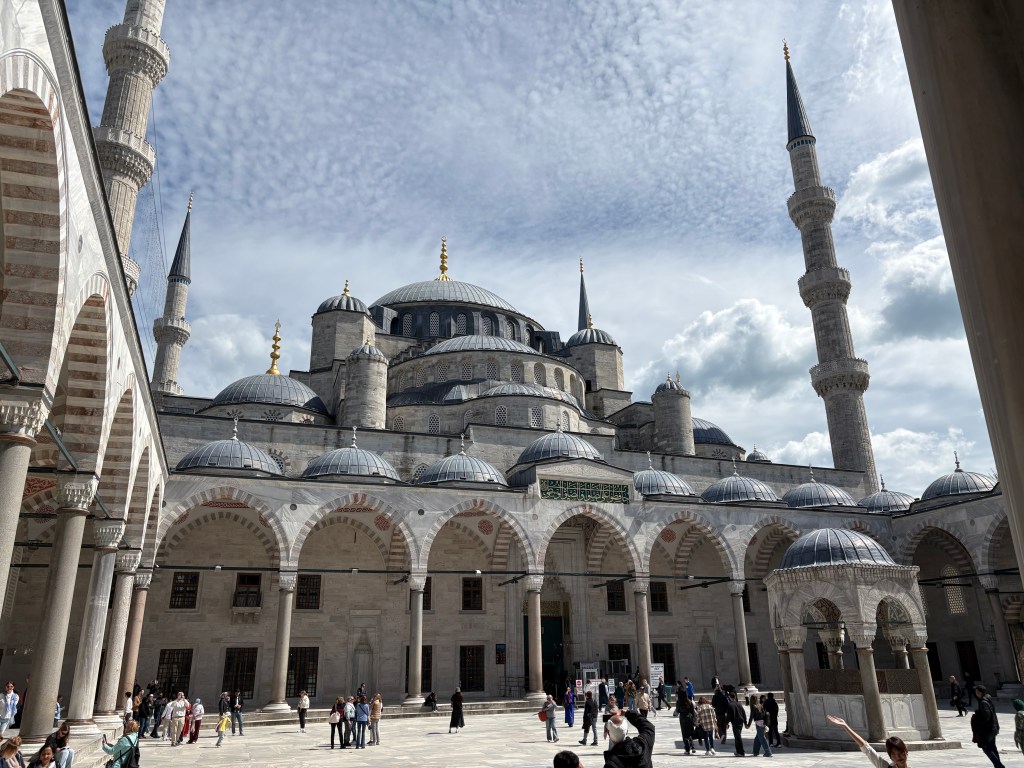
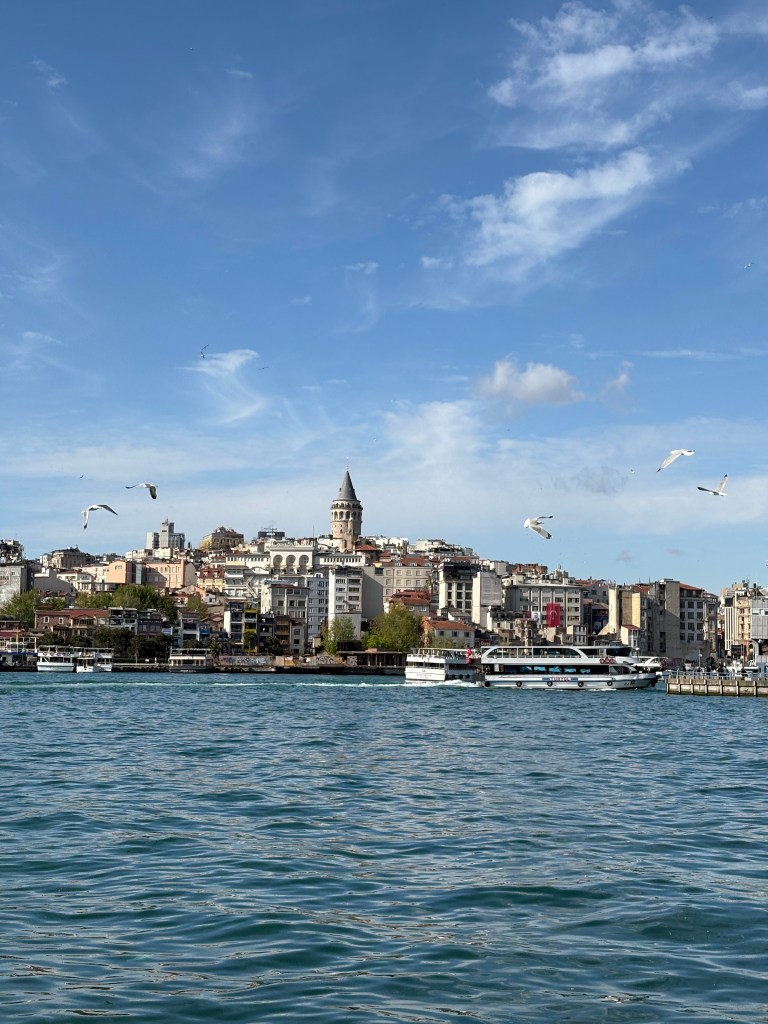
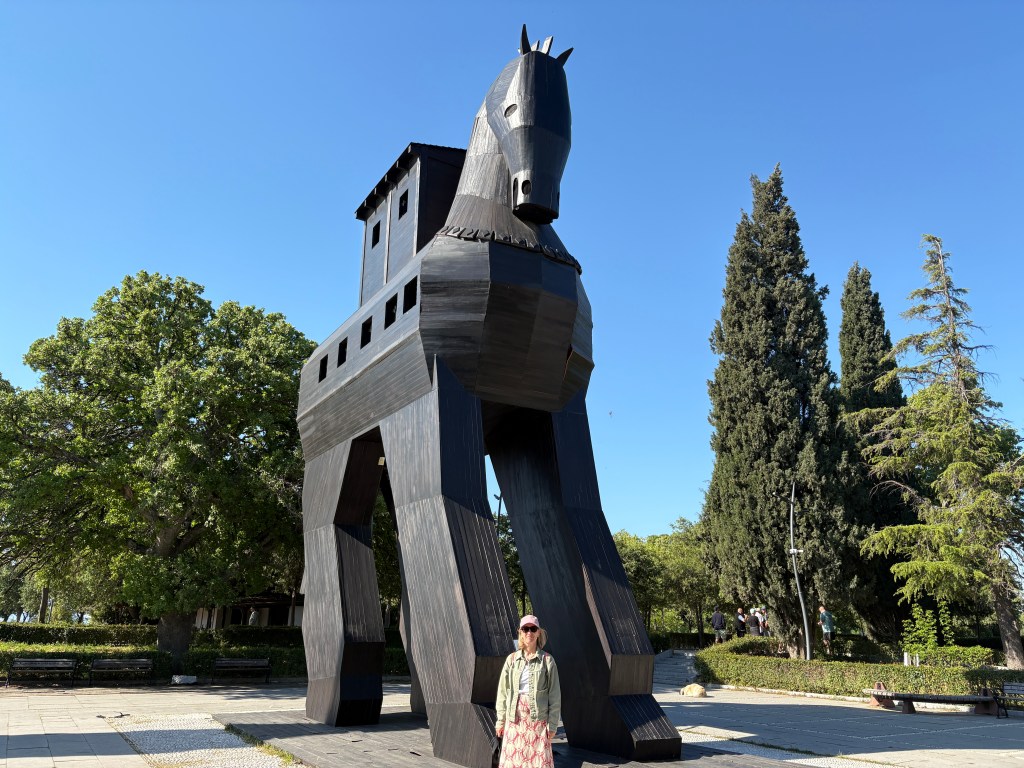
And finally, earlier this month, I went on a holiday to Turkey, fulfilling a lifelong ambition. It’s not so very far away or even very expensive to visit so I’m not sure how I have not been there before. I joined a tour organised by Intrepid Travel (who I cannot recommend highly enough) which took us to some of the most famous sights in the country. Ephesus was a highlight – I have such vivid memories of being a child and seeing pictures of the facade of the Celsus Library and dreaming of far-off travel! Istanbul is a fantastic city, so vibrant, and with a beautiful church or mosque around every corner. And the Bosphorus of course and the obligatory boat trip – which does live up to the hype. The city is blessed with many bookshops and I loved Minoa Pera – I had to buy myself Istanbul by Orhan Palmuk. And Cappadocia and the Goreme national park with its extraordinary rock formations.

It seems appropriate that the last two pictures above are of the Celsus Library at Ephesus and the stairs in the Minoa Pera bookshop in Istanbul!

I have had quite the most incredible few weeks and feel myself very fortunate indeed. Now, back to blogging. And some healthy eating and exercise. And some work I suppose….