We have been regular visitors to The Netherlands for twenty years now and have a small holiday home in the south of the country in the province of Zeeland. The southernmost part of the province (Zeeuws Vlanderen, or Zeelandic Flanders) is an area that has no land border with the rest of the country, being separated from it by the mighty Scheldt river, one of the primary waterways into the heart of Europe. When we first visited Zeeuws Vlanderen you reached it either by a very long detour via Antwerp in Belgium or a small car ferry between the ports of Vlissingen and Breskens. It made it feel remote. Then the opening of a 6km tunnel at the industrial town of Terneuzen transformed journey times and the economy of this part of the country. It has made Zeeuws Vlanderen more accessible and it certainly feels a little less remote these days. We tend to travel there via Calais in France, as it is less than 2 hours drive.
My daughters are both studying for exams this summer and we all needed a change of scene, so we decided to take a short break. The weather wasn’t great and the travel chaos was even less great, but it did us the world of good. This is such an under-rated part of Europe (the only visitors tend to be Dutch, Belgian or German), but for us it was like medicine for the soul!
Friday, 1 April
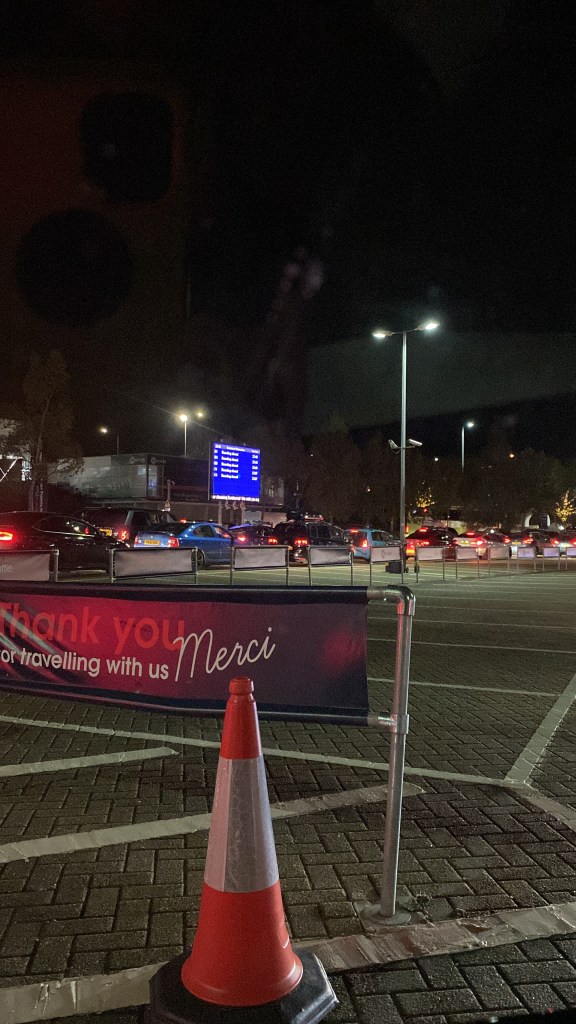
We leave home straight after the end of school and drive to the Eurotunnel port at Folkestone, a journey of 275 miles. We make good progress, which stalls completely once we are diverted off the M20 (a section of which had been turned into a lorry park, under Operation Brock). The volume of traffic is such that the 2-3 mile journey from Eurotunnel motorway junction to the passenger terminal takes almost three hours! At least once we arrive in France, there is almost no traffic on the roads and we arrive at our destination in the early hours of the morning.
Saturday, 2 April
A long lie-in then a trip to the nearest supermarket in Breskens and a leisurely lunch, which must involve frites!

A stroll around this small town shows that since our last visit, more tourist developments have sprung up. I am happy to see this lovely place thriving, not least since it will benefit us, as we rent out our holiday home, but a part of me has mixed feelings; I’m not sure I want lots of tourists here!

The weather is cold, colder than I have ever experienced here in the spring, but we are just happy to be away…and enjoying the wildlife.
One of our favourite things to do here is to take an evening stroll on the dyke beside the village. The views are always rewarding.

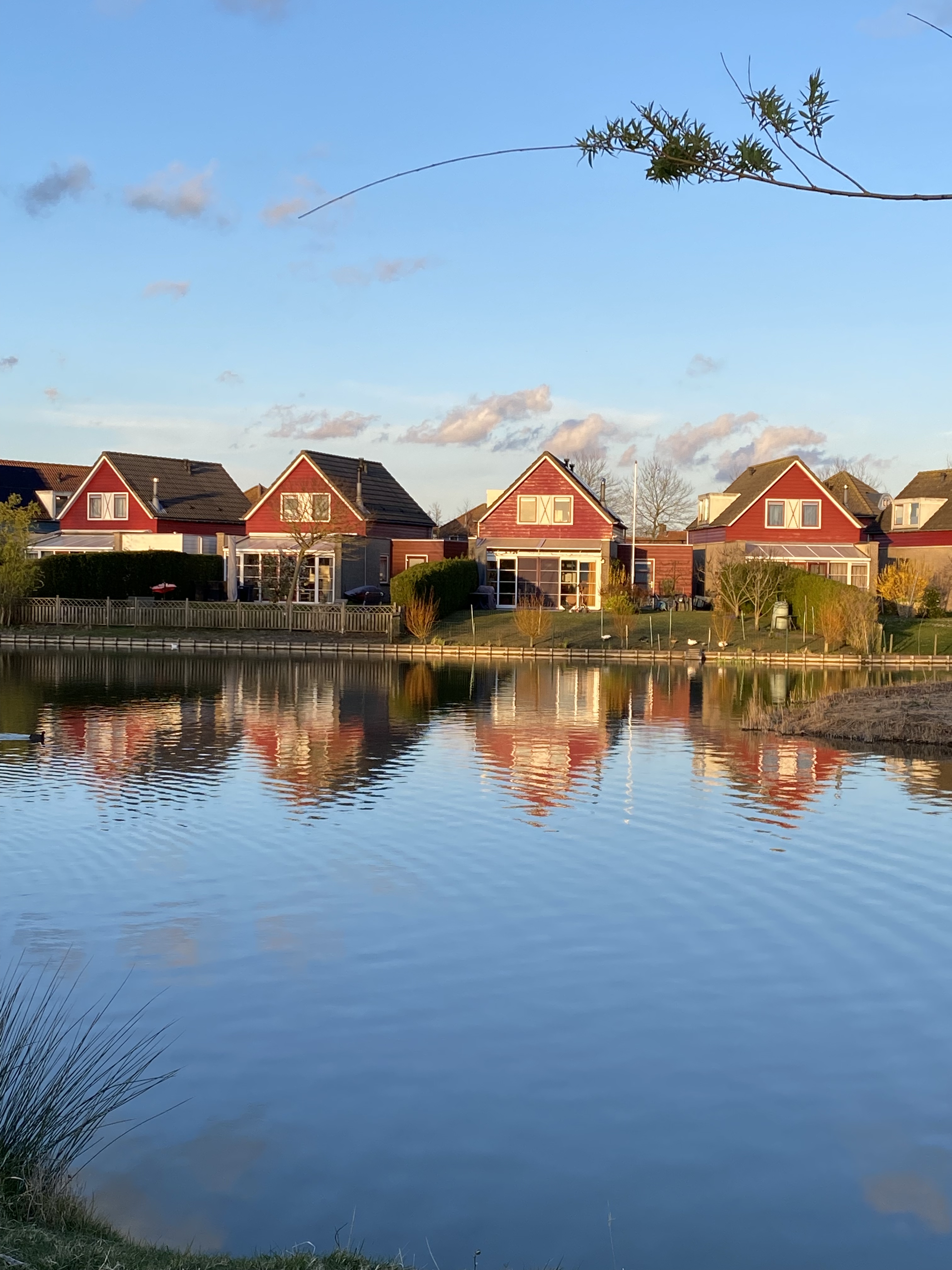
Sunday, 3 April
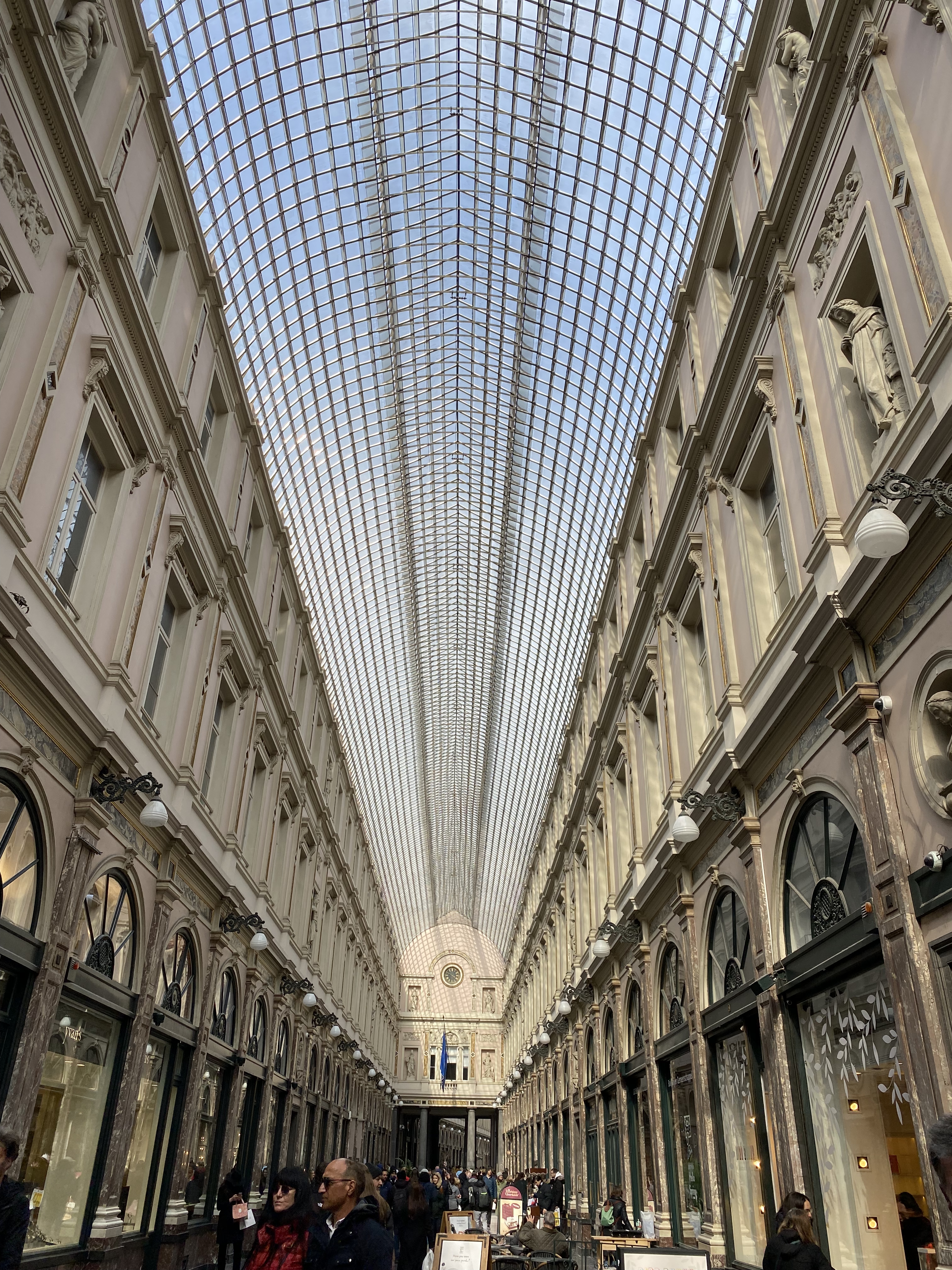

We take a trip to Brussels, to collect my husband from the airport, as he was unable to travel with us on Friday. It’s about 100km, or a 90 minute drive. I am nervous navigating the complicated ring road and finding city centre parking, but it is Sunday morning and therefore less busy. It is still cold, but it’s bright and sunny. Brussels is a beautiful city. It is also big. We stick to exploring the old town, which reminds me of Bruges minus the canals, and enjoy sipping coffee on pavement cafes, hearing clocks chiming the hour, wonderful shops, confectioners and more frites.
Monday, 4 April


No trip to Zeeland for us is complete without a day in Middelburg. This place is a hidden treasure – I’m almost afraid to mention it! This medieval town retains much of its traditional architecture and yet it has the atmosphere of an everyday working place. The quality of life here must be wonderful. My husband and I have often fantasised about renting a house here for a few months once our children have left home! There is a wonderful town square, with its spectacular town hall, edged by pavement cafes and restaurants, a museum, grand churches, picturesque canals and bridges, lovely shops, the best bookshop in southern Holland (De Drukkery), a student population and of course, coffee and frites! We often cycle here from our holiday home – we can bike to the ferry at Breskens and then cycle the 8km beside the canal, using the excellent Dutch cycle paths. But it is too cold and wet today, even for all but the hardiest of Dutch cyclists.
Tuesday, 5 April

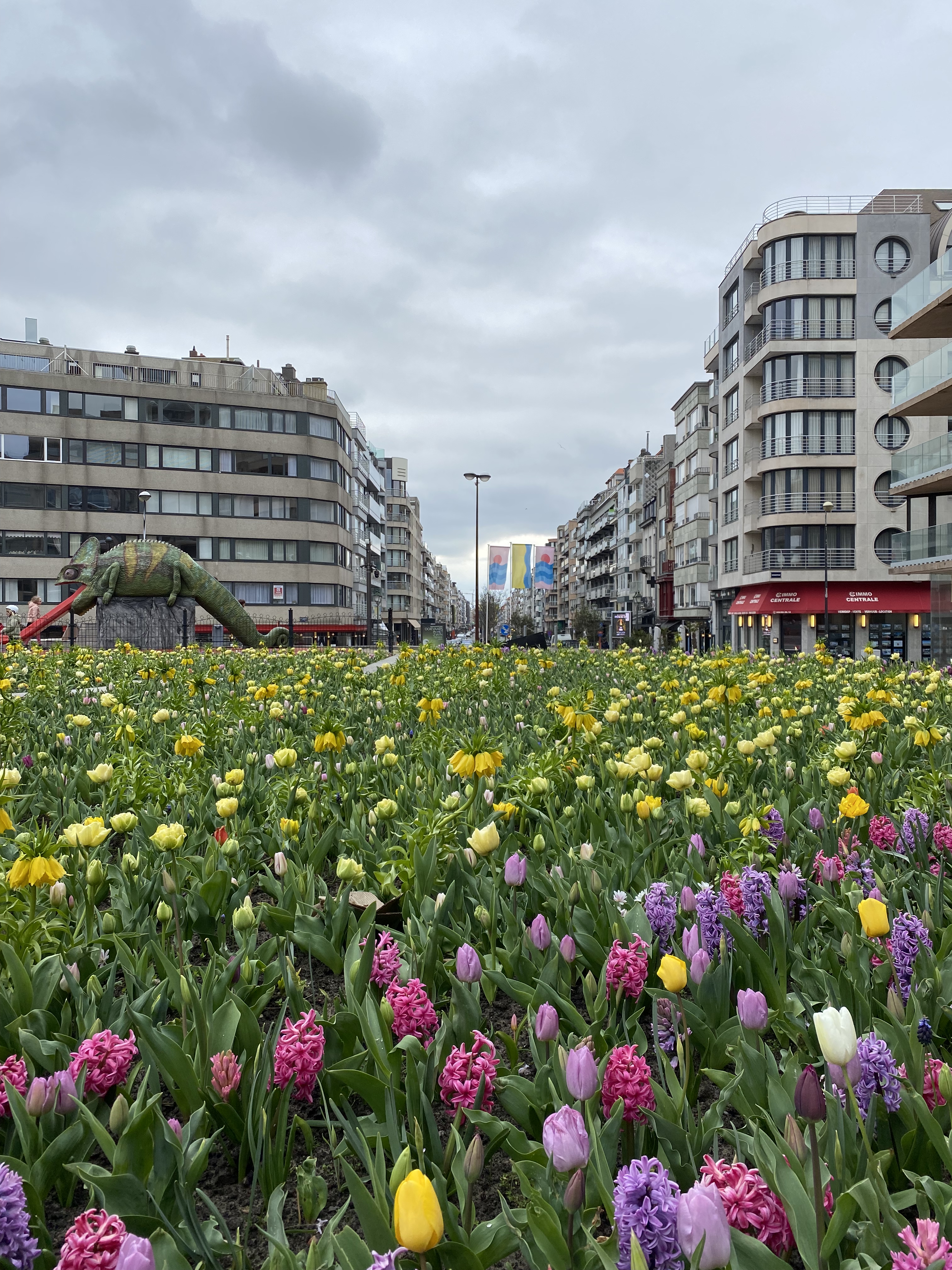
The day begins with appelflappen from the village bakery. Then we decide to head to the smart Belgian coastal town of Knokke-Heist, an attractive seaside resort which seems to consist mainly of second homes. It is quiet on a Tuesday. Most of the residential buildings are apartments, weekend homes for a wealthy Brussels elite, most likely. There are many beautiful art galleries and expensive shops, most of which only open at weekends. It has a vast beach, much of which is taken up with beach huts and cafes and bars, and a wide and long promenade. Knokke is only 30 km from our house and we have visited it often over the years. One of our favourite things to do when the children were younger was to take the Kusttram which runs for 67 km along the coast from Knokke to De Panne. You can get on and off to explore the different towns and attractions en route. Today we stayed in Knokke and just strolled around, and sampled yet more frites and ice-cream.
Wednesday, 6 April
Our short break is over and it’s time to head home. The return journey is thankfully less eventful than the one getting here. We are astonished by the size of the queue of what appear to be thousands of lorries stranded on the M20, waiting to get into Dover. My heart goes out to those drivers, who have no facilities and only the food they will have brought with them.
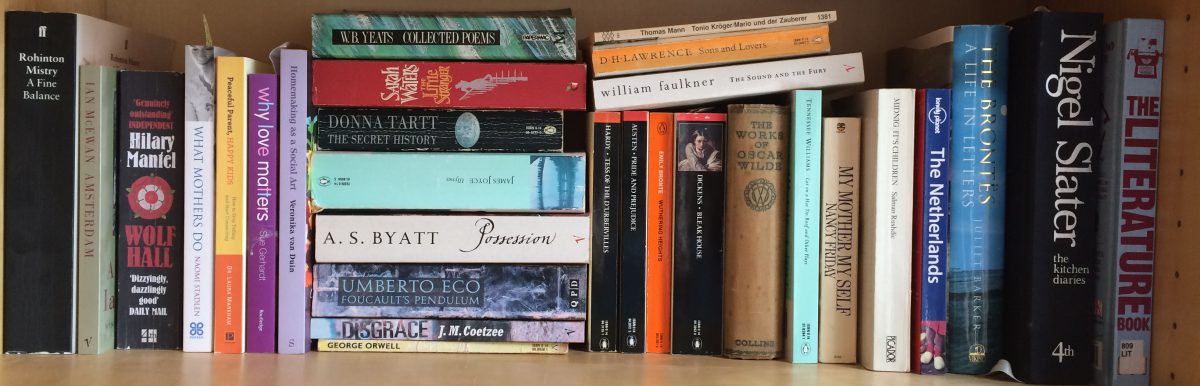
I did not do much reading while I was away, it being primarily a family holiday with quite a bit more packed in than we had intended.


 I managed to read


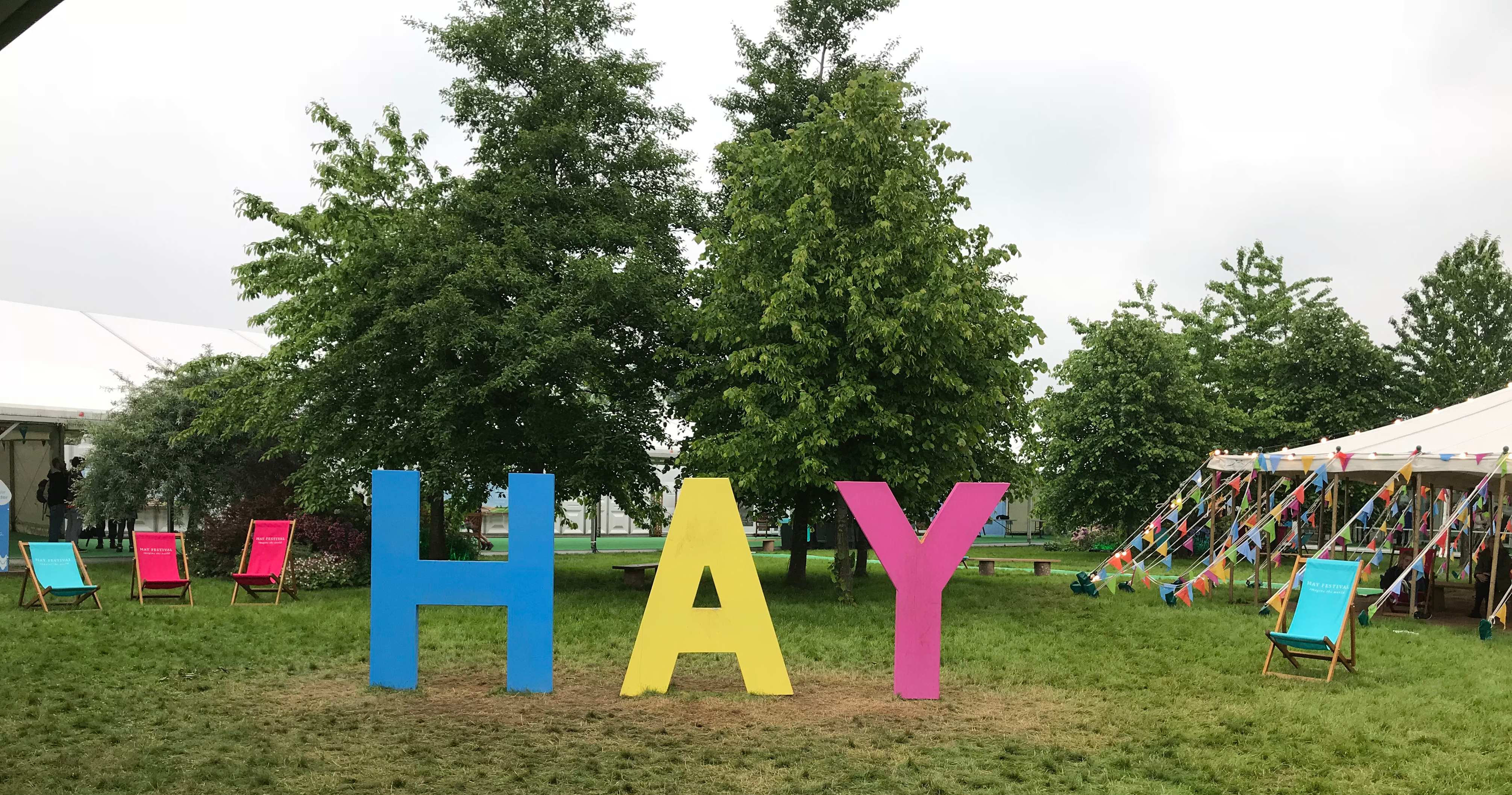

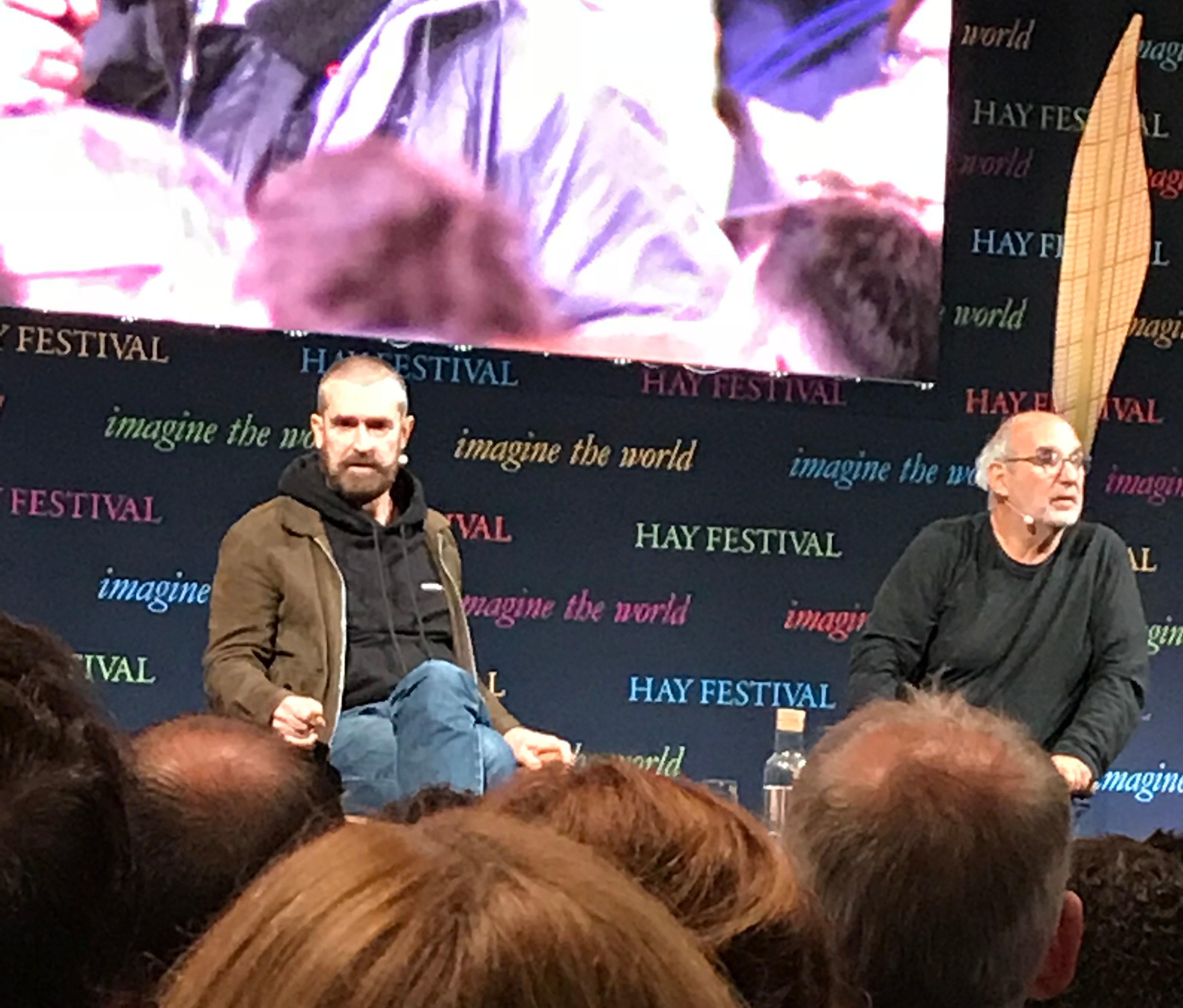 I then saw Rupert Everett (with whom I fell in love years ago after his appearances in films Another Country and Dance with a Stranger in the mid-1980s) in conversation with Alan Yentob. Everett has just completed his film about Oscar Wilde, a passion project which it has taken over ten years to bring to fruition. There was a BBC4 Imagine documentary about it a couple of weeks ago.
 Finally, my last event of the day was hearing Turkish author Elif Shafak speaking about her new book The Forty Rules of Love. I reviewed her novel

 Former home of Beatrix Potter, now in the care of the National Trust. A must for lovers of Peter Rabbit, which may now have added resonance after the release of the film earlier this year.
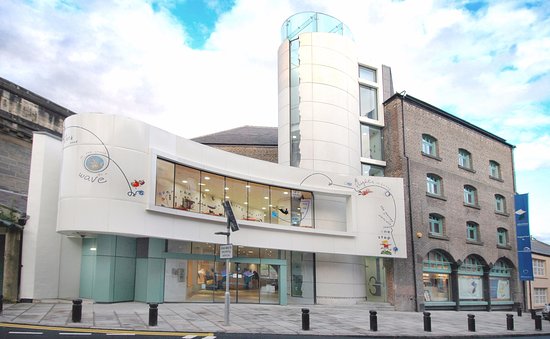 I was living in Newcastle when this place opened and I’m thrilled to see its thriving. They have a fantastic programme of events. Take a look
 Stratford upon Avon
 We spend our Spring break in the south of the province of


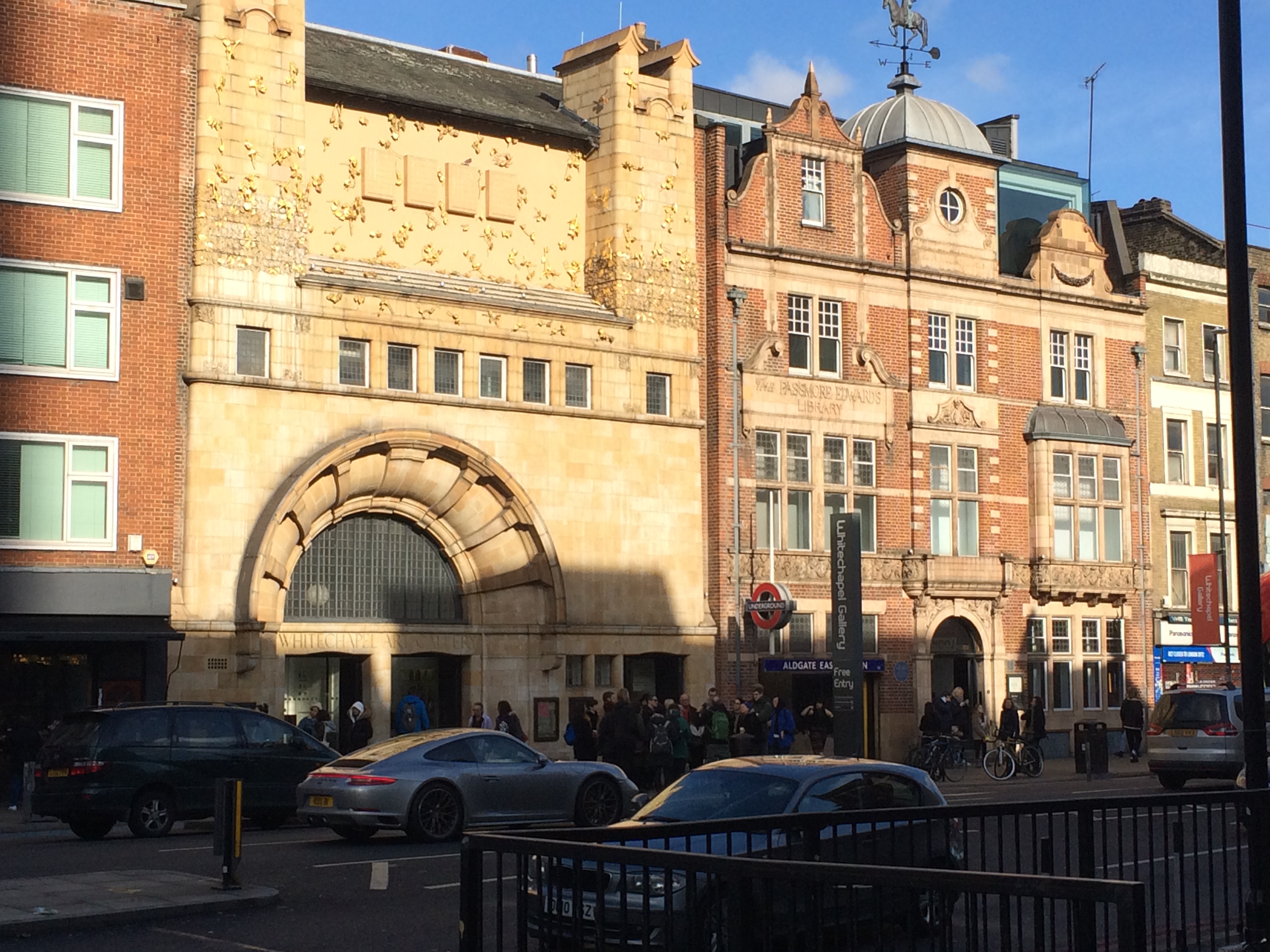
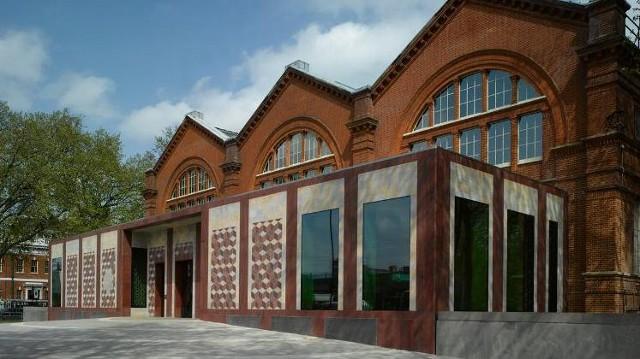


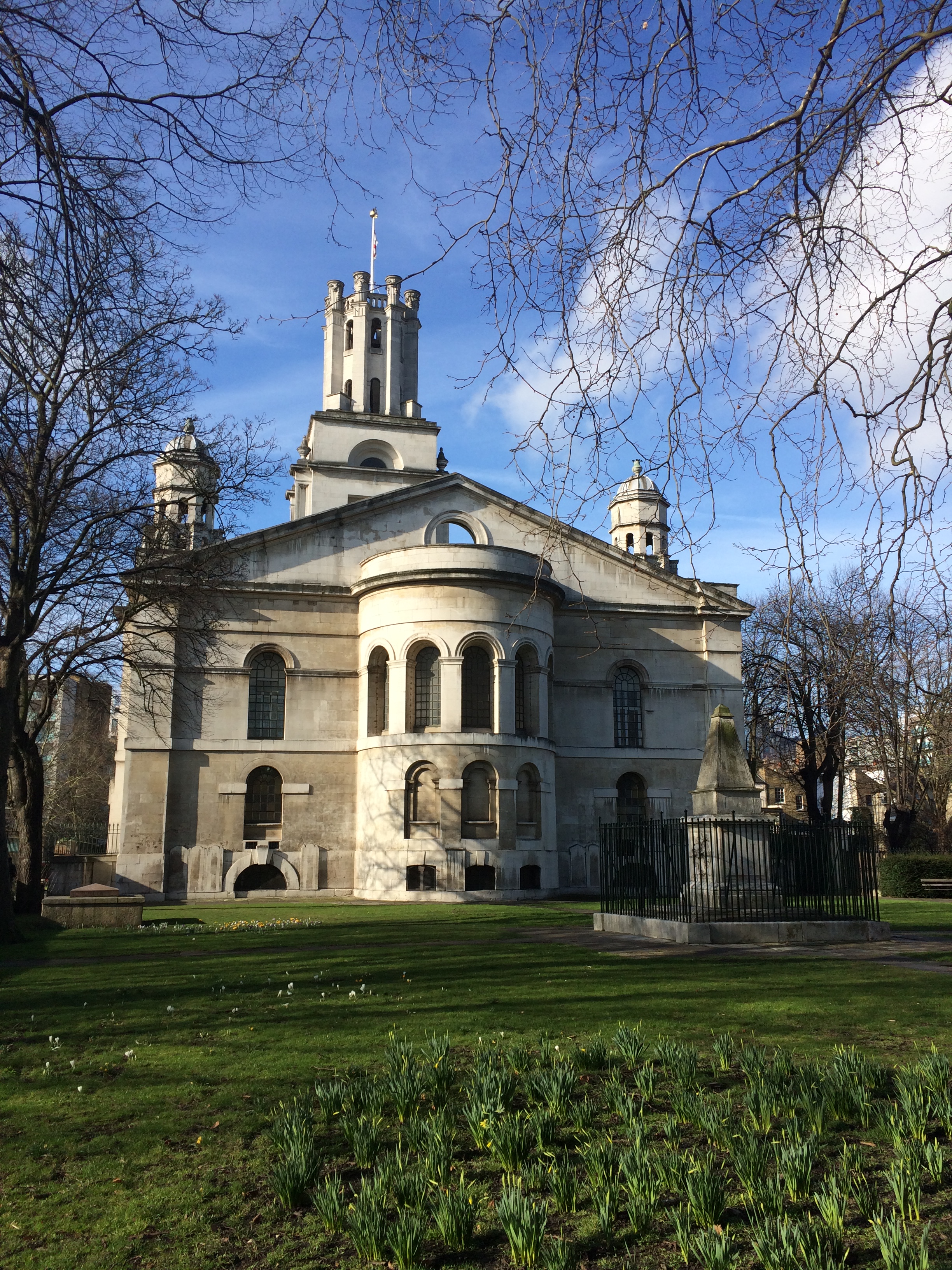
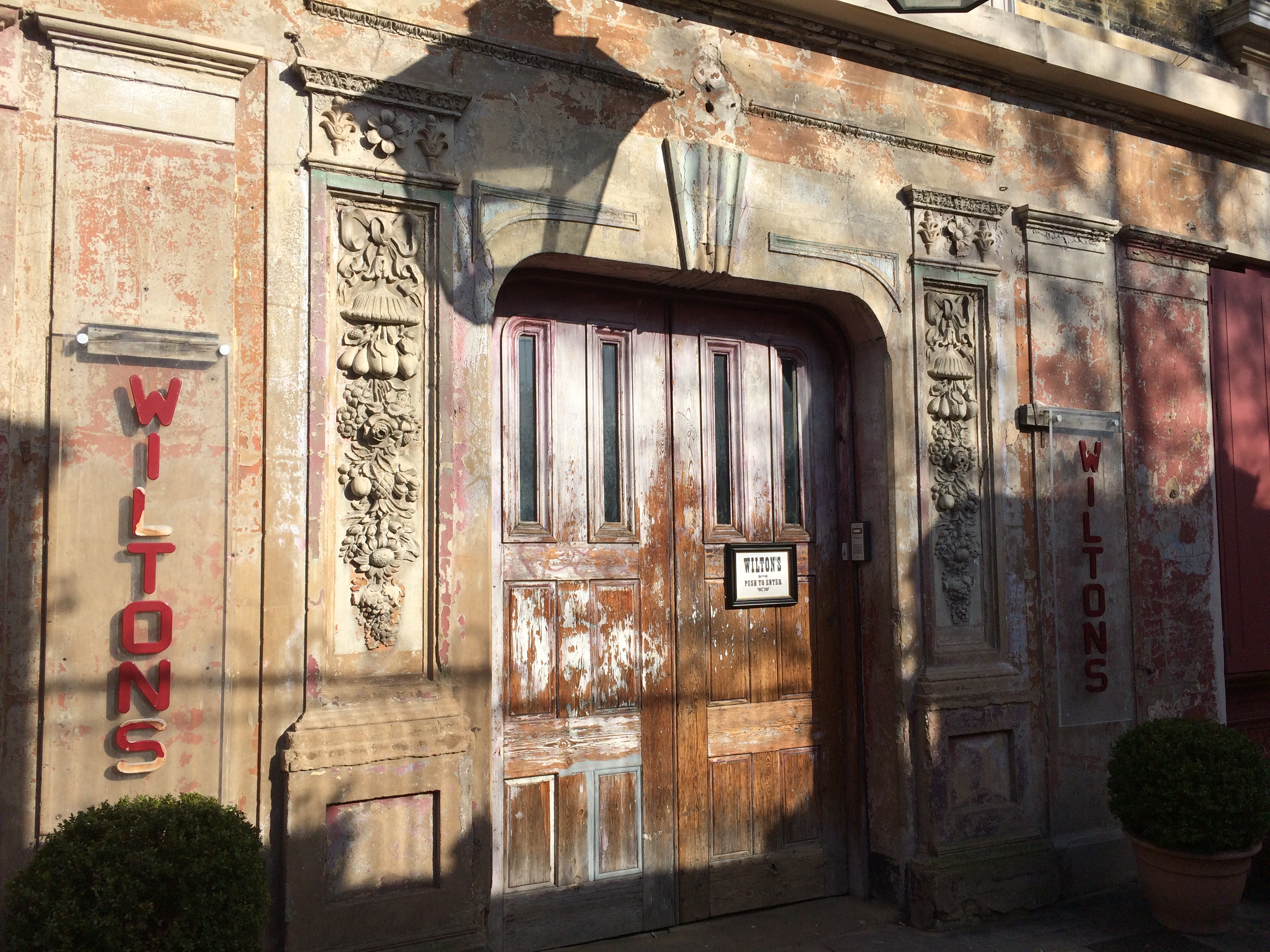
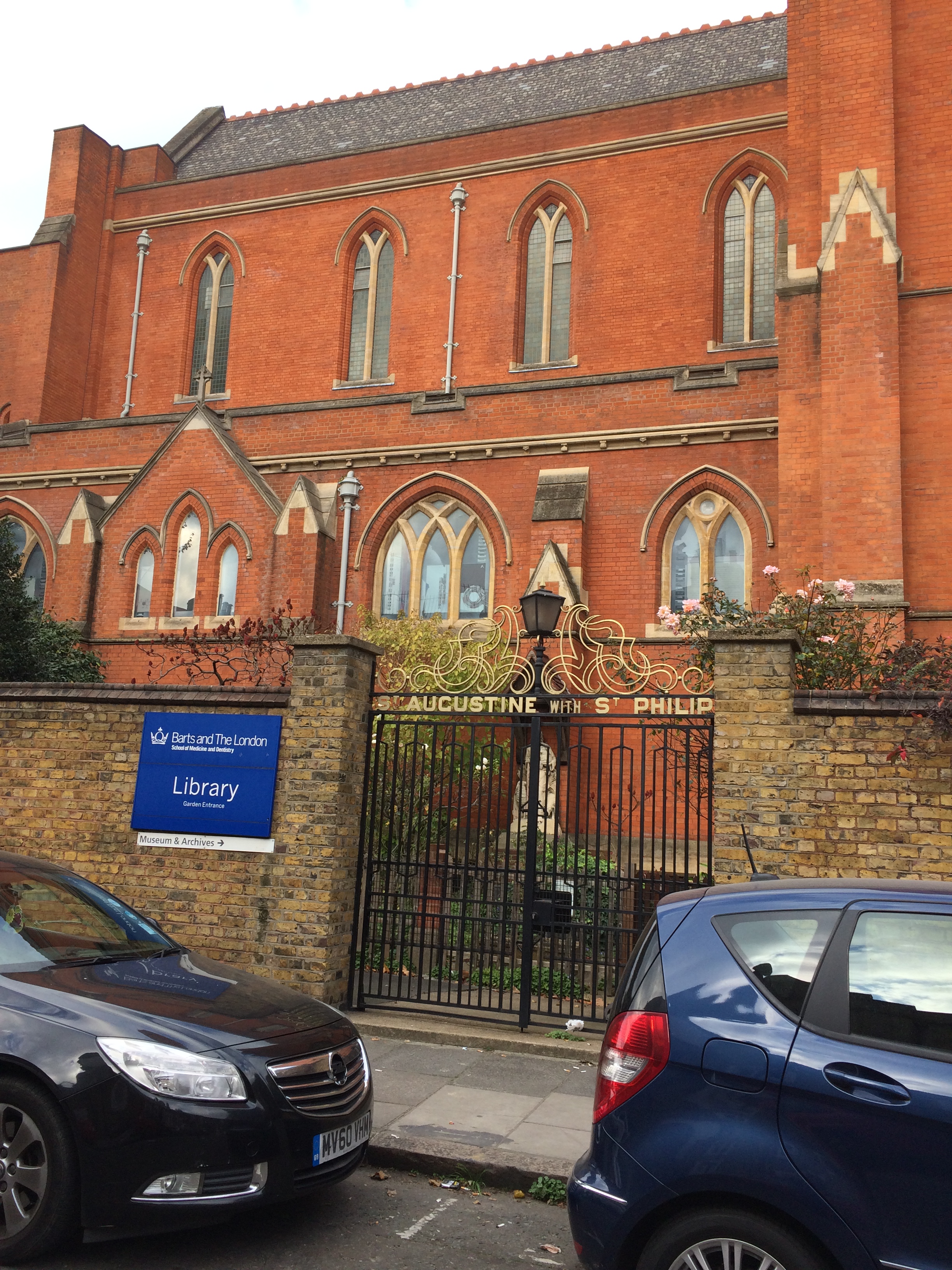
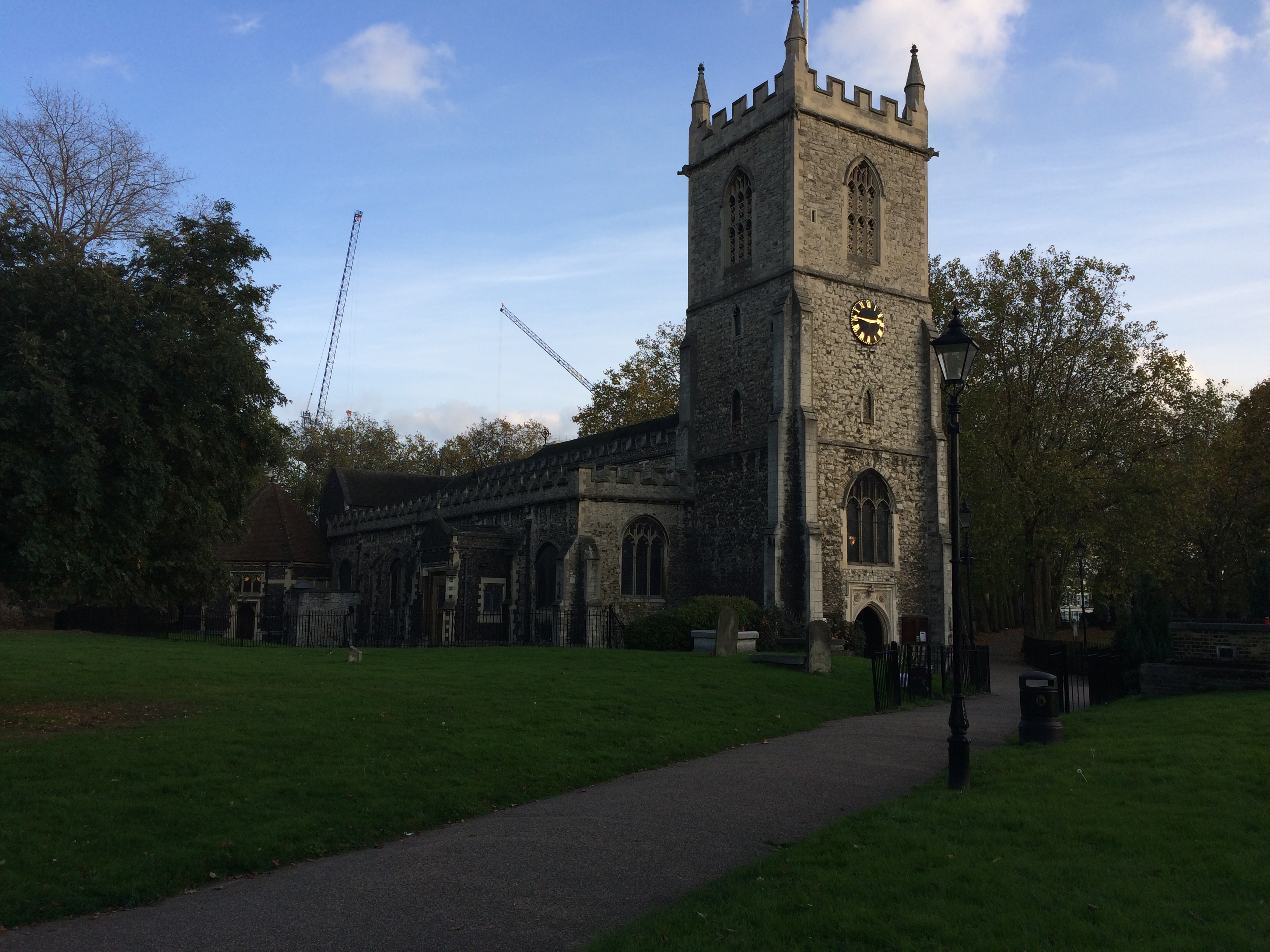
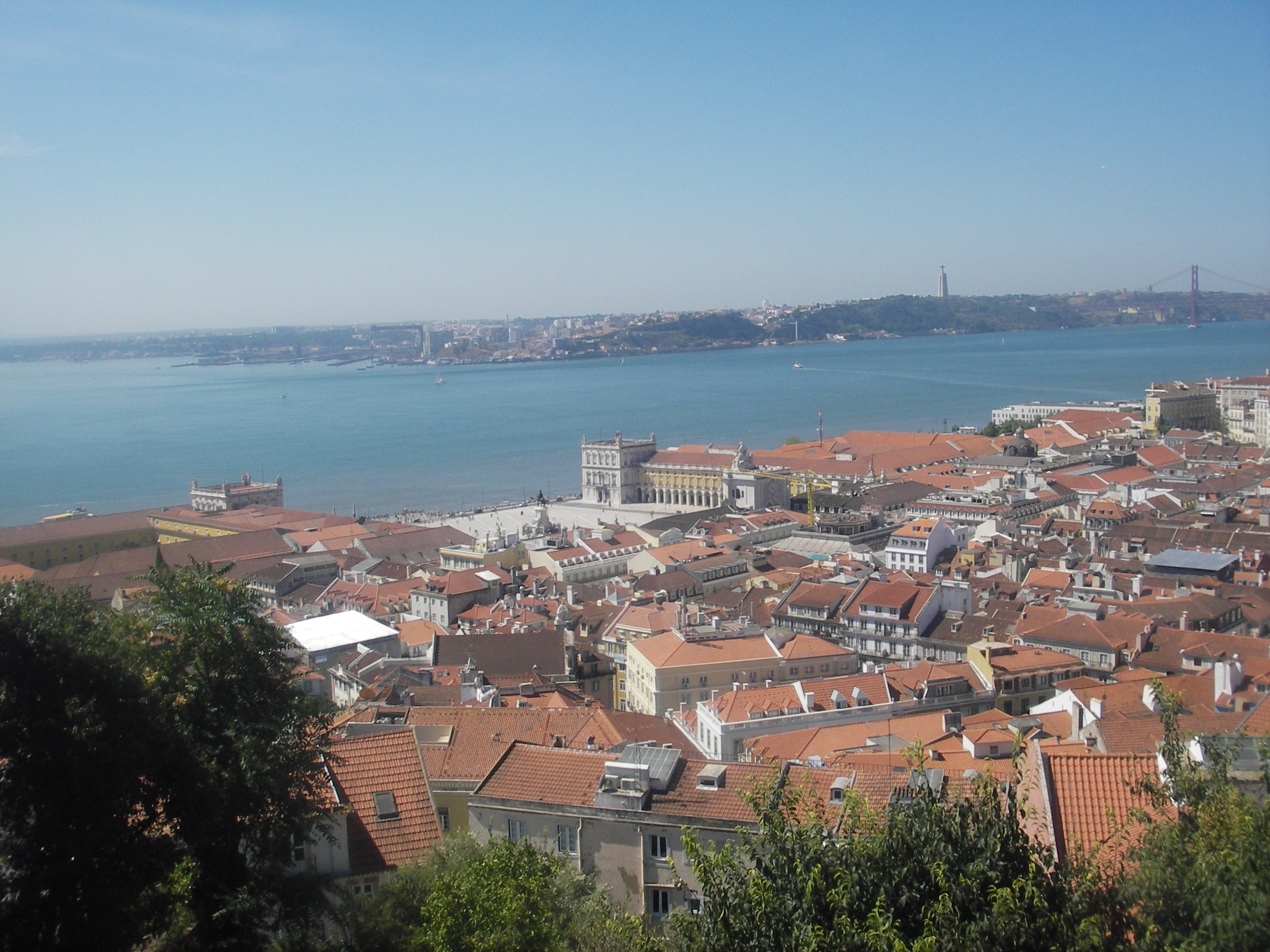
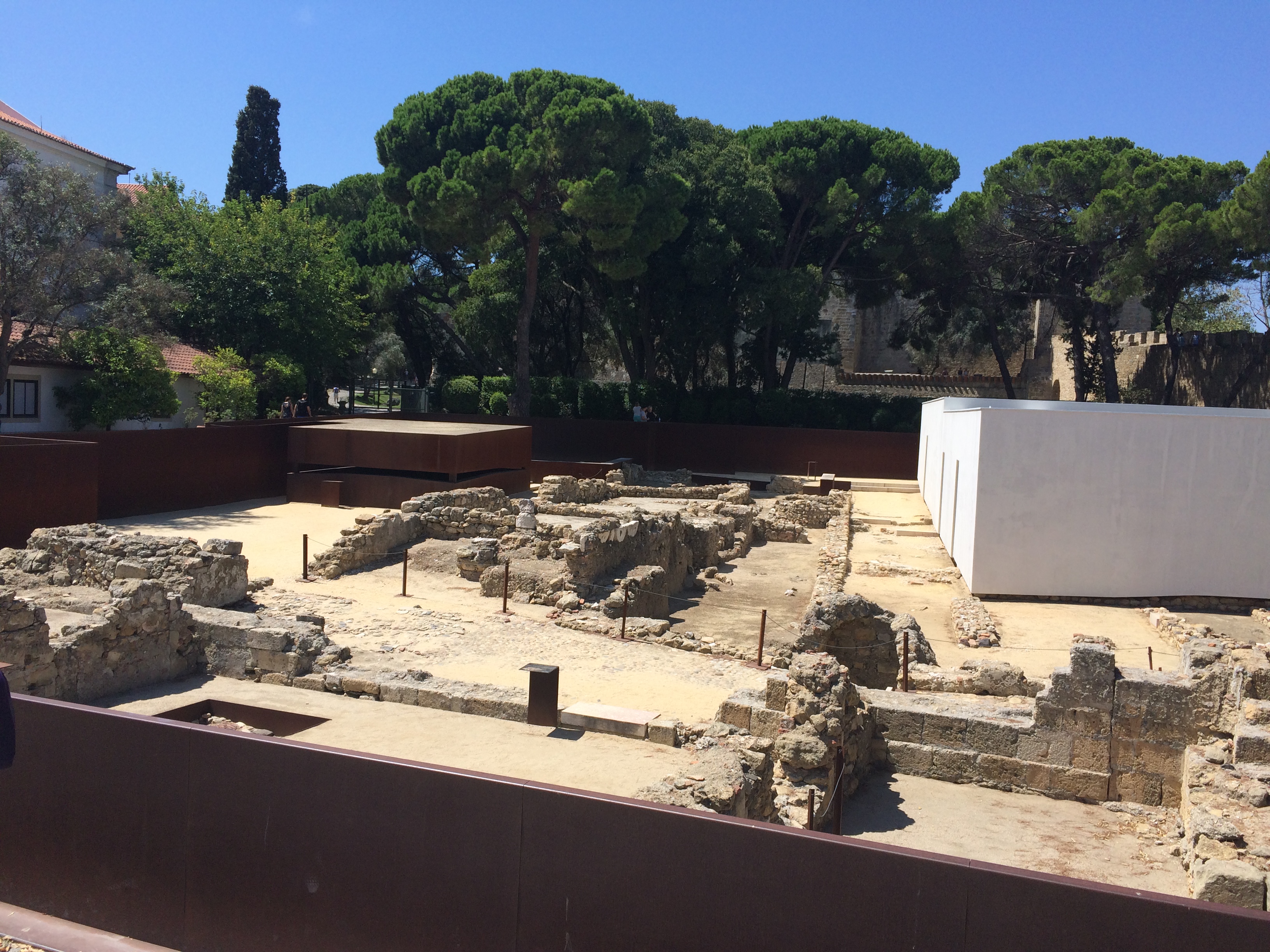 This ancient fortress up on a hill is a potted Portugese history lesson. It’s fabulous and from here you can get a panoramic view of the city. You take the antique Tram 28 to reach it. Aside from the main site I recommend the tour of the ancient archaeological area (above, where they have found evidence of habitation as far back as the Iron Age) which is generally under-attended, and is fascinating because you get to see and understand exactly how people have lived in and used the fortress over the centuries.