
When my children were young, I found it relatively easy to entertain them during school holidays; they still liked going to parks (sighs wistfully!), did not roll their eyes when I suggested a museum or gallery (usually running a school holiday activity), even a bus or train ride was a novelty! And if I needed to work or just needed a break, there were always organised activities, sports clubs, etc. Now, two of my children are teenagers, and the third is there in spirit if not in chronological years. They can entertain themselves, often making their own arrangements with friends, requiring only transport assistance from me, and this is great; they are independent and there is a lower impact on my writing life.
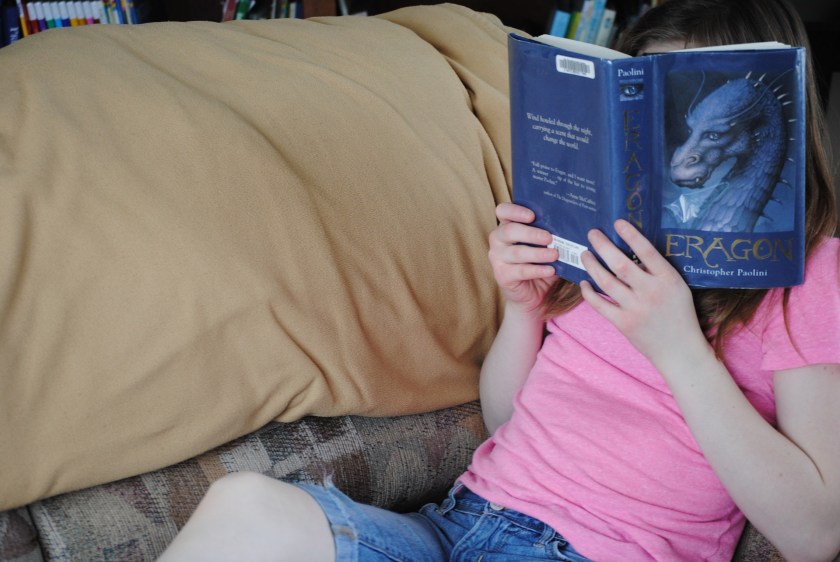 However, with autonomy comes power – if they are having an ‘at home’ day they can simply slip under the radar and spend a great deal of quality time with their phones and tablets (oh for the days when I only worried about how much Balamory they watched!) They can secrete themselves in their bedrooms while I lose myself in all my usual activity. At their age, sure I watched a lot of telly while my parents were out at work in the school holidays, but I also spent plenty of time with my nose in a book. Digital distractions were fewer and less powerful.
I’m not looking back with rose-tinted specs thinking ‘if only their lives could be like mine…’ no way; I know I would have loved the internet! However, now I’m a 21st century parent I can see how easily it is for the reading, no, the whole cultural habit to slip away and get lost in the mire of competing forms of entertainment. So, what can be done? Well, if the scenario outlined above sounds familiar and, like me, you would like your young people to engage more with paper and page-turning rather than screens and swiping, here are some thoughts for you:
- Don’t panic and don’t give up – even the most avid readers have dry periods and the teenage years are unique and short-lived. They have many things to contend with and reading may not be top of their list. Hang on in there and see below.
- Let them see you reading – I work mostly from home and my kids are fascinated by what I do all day! When they are off school I make sure they see me switching off the phone and the computer and reading; don’t save your reading until bedtime. Ten minutes reading in front of your kids is far more powerful than all your verbal exhortations to read – they listen to nothing you say but they watch everything you do. Model the desired behaviours.
- Bring books into their life – yesterday I went out with one of mine and treated them to a hot chocolate…in the bookshop cafe! And afterwards we had a browse. Later in the week I may find I need to call into the library while we are out.
- Seek out literary-themed days out – you may have at least one planned day out while your kids are off. Did a favourite author live nearby, whose home you could visit? Is there some literary link to a local beauty spot? I live in Manchester in north-west England and we are very fortunate to have a rich local literary heritage – Elizabeth Gaskell’s house, four fascinating libraries (Central library, John Ryland’s, Chetham’s and the Portico), and the Lake District is nearby (Charles Dickens, Beatrix Potter, Arthur Ransome).
- In fact, any culture will do – museums, galleries? Many are still free so there is no pressure to spend all day there, just hang out for an hour or so. Engagement with any kind of cultural activity will demonstrate to your teens that life exists beyond the screen and even if they start bored, they will probably have to read something, even if its only the descriptions of the exhibits.
- Watch a movie adaptation together – the key word here is ‘together’. If it’s their choice, maybe an adaptation of a YA novel, so much the better. If they like the film, but haven’t read the book, suggest getting it for them.
- Revisit a once-loved childhood classic together – were there books they loved reading as children? Perhaps dig out an old favourite, they’ll enjoy the nostalgia. My eldest still goes back to Harry Potter from time to time.
- Buy newspapers and magazines – all reading is good.
- Finally, leave all kinds of reading material lying around, in every room, even the kitchen and bathroom. When they’re off school and they’ve more time on their hands they may be inclined to linger.
The key thing is to show an interest and not to judge. I consider myself an avid reader these days and I did read a lot of classics when I was young, but I read some ‘trash’ too, and I loved comics and teen magazines. Value their choices, even if you secretly wish they’d read something different, and talk to them about what they’re reading.
What do you do to try and get your kids reading, particularly the older ones?
If you have enjoyed this post, you might like to subscribe to the blog by clicking on the ‘Follow’ button. Let’s also connect on social media.


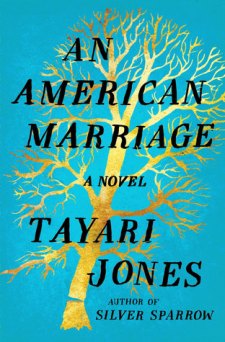
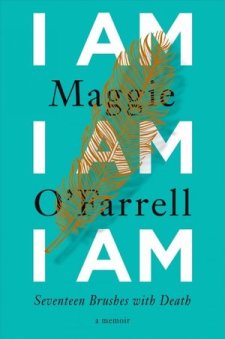 I Am, I Am, I Am by Maggie O’Farrell
 How to Stop Time by Matt Haig
 The book is set in Connecticut in 1942-43. Aila, is 16 years old when we first meet her and she has a younger brother Miles. Their mother, Juliet, has just died and their father has been called away to fight in the war. Aila and Miles are sent to live in Sterling (their mother’s birthplace) with Matilda Cliffton and her family; Matilda was Juliet’s childhood best friend. Aila is keen to take something of her mother’s with her and she finds a volume of Shakespeare’s complete works, much scribbled in, into the back of which has been placed an envelope, containing a ring Juliet always wore, and a mysterious note to an unknown person, Stefen, at the end of which Juliet signs herself ‘Viola’.
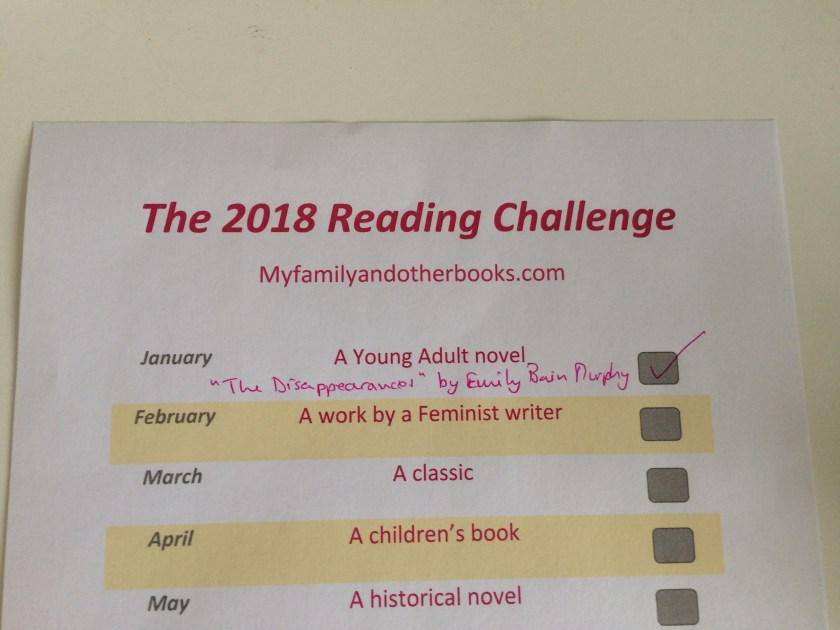 At the beginning of January I set up a
  If you’re interested in taking part in this Reading Challenge you can join the group
  I really liked this little book and it’s the third in the Invincibles series. The central characters are two friends, Nell and Freddie, and Mr Fluffy, a cat. Nell’s teenage brother Lucas, has a sleepover camping with his friends in the garden, which, of course, the younger ones want to be involved with. Through ‘Pester Power’ Nell manages to persuade her parents to let her and Freddie participate for a few hours. Noises in the woods (the waste ground next to the garden) terrify them all, but, of course, it turns out to be nothing more sinister than Mr Fluffy! It’s a great little story, with nice illustrations and a level of humour which children will love and adults will also identify with. Recommended.
 Similar in style to The Invincibles, this book is along the lines of The Addams Family – set in Nocturnia, a land of comic creatures, ghouls, vampires, mummies, etc. The central story is that Amelia’s parents are to throw their annual Barbaric Ball. They are keen for King Vladimir to come, but he has not been seen in public for years. The king decides he will attend with his son Prince Tangine, and, in preparation for getting to know the people, the Prince will attend the local school. He is of course, very haughty and unkind, and Amelia is particularly cross when he demands, and gets, her pet pumpkin Squashy. It turns out that Prince Tangine hides a devastating secret – he is half-fairy (terrifying creature of the light!), though his mother disappeared when he was young, leaving his father bereft. Amelia discovers this as she tries to rescue Squashy from the palace, and, when the truth is revealed, Tangine owns up to his faults and they all become friends. It’s a fun little story, and the toilet humour will appeal very much to the irreverent side of children. Lovely illustrations and plenty of contemporary references. It is basically about friendship, inclusiveness and being nice to people. Recommended though less in this one to keep parent readers interested.
 The central character is Jaz, a 12 year-old girl who is in Year 7 at secondary school. She is dyslexic, doesn’t care too much for school (“Boring!”) and lives with her Mum and three older brothers, their Dad having left shortly after Jaz was born. Jaz is a bit of a rebel with a big heart. She struggles a bit at school, she comes across as someone who finds it difficult to deal with the mainstream demands of sitting still, concentrating, and not least the focus on reading and writing; there does not seem to be much allowance made for her dyslexia. She also struggles a bit with friendship issues, having jealous feelings towards another girl who she feels is going to ‘steal’ her best friend Lily. So we see Jaz is a bit insecure too.

 The book starts with 18 year-old Allie Kennaway, and her friends heading out for their college prom night. They are at Allie’s home with her father Steve and younger sister Teagan. Steve is a single parent, his wife, the girls’ mother, Sarah, having died a couple of years earlier from cancer. Allie, we learn is a transgender woman, formerly Aled.
 To my shame, I have not read anything by Agatha Christie before, although I have stayed at the Old Swan Hotel in Harrogate, to which Agatha famously disappeared for nearly two weeks in 1926 after a row with her husband! She is quite extraordinary when you look at the stats: said to be the best-selling author of all time, her books have sold around two billion copies (yes two billion!) worldwide, second only to Shakespeare and the Bible. She wrote 72 novels, 14 short story collections, and one play, The Mousetrap, the longest-running in the world. Miss Marple and Hercule Poirot are perhaps two of the best-known literary characters of all time, and her work has been adapted for film and television countless times. She is truly a literary giant.

